

What Is Astaxanthin? Benefits, Dosage, Side Effects & Uses
Astaxanthin, pronounced as-tuh-ZAN-thin, is a naturally occurring pigment that belongs to a group of compounds called carotenoids. Carotenoids are the colour compounds found throughout nature, in carrots, tomatoes, sweet potatoes, and many other brightly coloured foods. What makes astaxanthin different from most carotenoids is what it does in the body. It is a potent antioxidant, meaning it neutralises free radicals, the unstable molecules that damage cells and contribute to accelerated ageing, disease, and inflammation. Astaxanthin cannot be converted to vitamin A in the body, which means it doesn’t carry the toxicity risk associated with high doses of some fat-soluble nutrients. It’s also fat-soluble, meaning it absorbs best when taken with food containing some dietary fat.
Where Does Astaxanthin Come From?
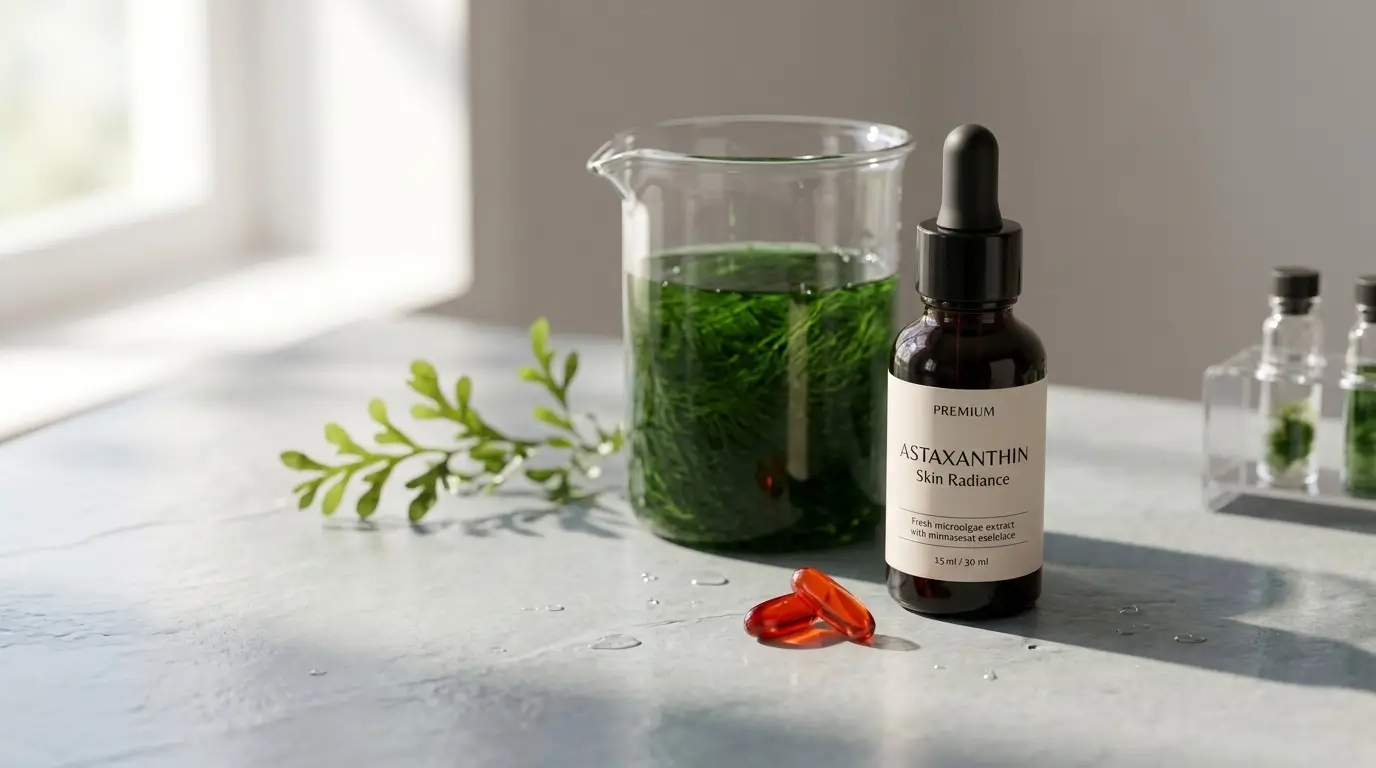
Astaxanthin is produced primarily by a freshwater microalga called Haematococcus pluvialis. When this algae is exposed to stress, such as intense sunlight or nutrient deprivation, it produces astaxanthin as a protective mechanism. It essentially creates the pigment to protect itself from oxidative damage. When animals eat this algae or eat other animals that have consumed it, astaxanthin accumulates in their tissue. This is why wild salmon, shrimp, lobster, flamingos, and certain other animals are pink or reddish in colour.
Natural sources of astaxanthin include:
- Wild salmon (particularly sockeye salmon)
- Rainbow trout
- Red sea bream
- Shrimp and prawns
- Lobster
- Crab
- Krill
For supplements, astaxanthin is typically derived from Haematococcus pluvialis microalgae, which produces the highest concentration of natural astaxanthin of any known source. Some synthetic astaxanthin exists and is used primarily in aquaculture to colour farmed salmon, but natural astaxanthin from algae is what you’ll find in quality supplements for human use.
How Does Astaxanthin Work In The Body?
Every day, your body generates free radicals, unstable molecules produced as by-products of normal metabolism, UV exposure, air pollution, stress, and exercise. Free radicals damage cell membranes, proteins, and DNA through a process called oxidative stress. This damage accumulates over time and is a significant driver of accelerated ageing, inflammation, and many chronic health conditions. Antioxidants neutralise free radicals by donating an electron, stabilising the free radical before it causes damage. The NIH Office of Dietary Supplements provides extensive research on how antioxidants support cellular health.
What makes astaxanthin particularly effective is its molecular structure. Most antioxidants are either fat-soluble, working inside cell membranes, or water-soluble, working in the watery cellular environment. Astaxanthin is uniquely amphiphilic; it spans the full width of a cell membrane, with one end anchoring inside and the other outside. This allows it to provide antioxidant protection simultaneously inside and outside the cell. Also, astaxanthin can cross both the blood-brain barrier and the blood-retinal barrier, which most antioxidants cannot. This gives it direct access to the brain and the retina, making it relevant for both cognitive and eye health in a way that few other antioxidants can match.
In terms of free radical neutralisation capacity, the comparisons are frequently cited in research literature:
- Approximately 6,000 times more potent than vitamin C
- Around 800 times more potent than CoQ10
- Roughly 550 times more potent than vitamin E
- About 75 times more potent than alpha-lipoic acid
Astaxanthin Benefits
Astaxanthin Benefits For Skin
- UV protection from within. UV radiation is the primary driver of photoaging, collagen breakdown, hyperpigmentation, and loss of elasticity that result from cumulative sun exposure. Astaxanthin accumulates in skin cells and has been shown to reduce UV-induced DNA damage and the inflammatory response that follows sun exposure. It acts as a form of internal photoprotection, not a replacement for sunscreen, but a complementary layer of cellular defence.
- Improved skin elasticity and moisture. Several double-blind, randomised controlled trials have demonstrated measurable improvements in skin elasticity, moisture content, and texture with consistent astaxanthin supplements over 8–16 weeks. A well-cited study found statistically significant improvements across multiple skin parameters, including elasticity, fine lines, and moisture retention in women taking 6mg astaxanthin daily for 8 weeks.
- Collagen protection. Astaxanthin inhibits matrix metalloproteinases (MMPs), the enzymes that break down collagen and elastin in response to UV exposure and oxidative stress. By suppressing MMP activity, it directly slows the degradation of the structural proteins that keep skin firm and resilient.
- Skin brightening. Astaxanthin has demonstrated melanin-modulating effects, inhibiting the overproduction of pigment that leads to dark spots and uneven skin tone. Consistent supplement intake over 8–12 weeks shows gradual improvements in skin brightness and evenness.
For a more detailed exploration of this topic, see our guide to astaxanthin benefits for skin.
Astaxanthin Benefits For Eye Health
- Reducing eye fatigue. Multiple studies have found that astaxanthin supplements reduce the symptoms of digital eye strain, eye fatigue, dryness, and discomfort associated with prolonged screen use. In one study, subjects taking 6mg astaxanthin daily reported significant reductions in eye strain symptoms compared to placebo.
- Macular protection. The macula, the central area of the retina responsible for sharp, detailed vision, is highly susceptible to oxidative damage. Astaxanthin’s antioxidant activity in retinal tissue is associated with reduced risk of age-related macular degeneration in population studies.
- Improved visual acuity. Some research has found improvements in visual acuity and depth perception with astaxanthin supplements, likely reflecting its role in reducing oxidative damage to photoreceptor cells.
This benefit is particularly relevant for women and men spending extended hours in front of screens, a reality for most working adults today.
Astaxanthin Benefits For Heart Health
- LDL oxidation reduction. LDL cholesterol becomes problematic primarily when it’s oxidised; oxidised LDL is the form that contributes to arterial plaque formation (atherosclerosis). Astaxanthin has demonstrated significant inhibitory effects on LDL oxidation in clinical studies.
- Reduced inflammatory markers. Chronic vascular inflammation drives the progression of atherosclerosis. Astaxanthin’s systemic anti-inflammatory effects reduce the inflammatory markers (including CRP and IL-6) associated with cardiovascular risk.
- Improved blood flow. Some studies have found improvements in blood viscosity and microvascular circulation with astaxanthin supplements, supporting the delivery of oxygen and nutrients throughout the cardiovascular system.
Astaxanthin Benefits For Exercise Recovery
- Reduced exercise-induced oxidative damage. Physical exercise generates significant oxidative stress, a natural but potentially damaging by-product of aerobic metabolism. Astaxanthin’s antioxidant potency reduces this oxidative burden on muscle cells, supporting faster cellular recovery.
- Decreased muscle soreness. Several clinical trials have shown measurable reductions in markers of muscle damage and delayed-onset muscle soreness (DOMS) with astaxanthin supplement intake in both endurance- and resistance-trained athletes.
- Improved endurance. A well-cited study in healthy male cyclists found significant improvements in power output and time to exhaustion after four weeks of astaxanthin supplement intake, suggesting benefits beyond simple recovery.
- Fat metabolism. Some research suggests astaxanthin may support the shift toward fat as a fuel source during exercise, potentially improving endurance capacity and body composition over time.
Astaxanthin Benefits For Healthy Ageing
- Mitochondrial protection. Mitochondria, the energy-producing organelles in every cell, are particularly vulnerable to oxidative damage. Age-related mitochondrial decline is a primary driver of reduced energy, slower recovery, and generally decreased cellular function. Astaxanthin’s presence in mitochondrial membranes provides direct antioxidant protection where cellular energy is generated.
- DNA protection. Astaxanthin has demonstrated protective effects against oxidative DNA damage in several studies, reducing the type of cellular mutations that accumulate with age.
- Cognitive protection. The ability to cross the blood-brain barrier means astaxanthin provides direct antioxidant protection within neural tissue, supporting the neurological environment that determines cognitive clarity, memory, and processing speed as we age.
Astaxanthin Benefits For Women
For women specifically, astaxanthin’s multi-system antioxidant protection aligns well with the health priorities that shift across the different decades of a woman’s life.
- During the reproductive years: Astaxanthin’s anti-inflammatory properties support hormonal balance by reducing the systemic oxidative stress that can disrupt the endocrine system. Its skin benefits are also highly relevant during this period, addressing the acne, pigmentation, and sun-damage concerns that many women in their 20s and 30s manage.
- From the 40s onward: As oestrogen declines through perimenopause, women lose some of the natural antioxidant protection that oestrogen provides. The accelerating skin ageing, rising cardiovascular risk, and cognitive changes of this decade are all influenced by increasing oxidative stress, which astaxanthin directly addresses.
- For skin health specifically: The evidence for astaxanthin’s improvements in elasticity, moisture retention, and fine line reduction makes it particularly valuable for women focused on maintaining skin quality through hormonal change.
For a comprehensive guide to supplements relevant to this life stage, see our best supplements for women over 40 article.
Astaxanthin Benefits For Men
Men equally benefit from astaxanthin, though the priorities differ somewhat:
- Cardiovascular health: Men face rising cardiovascular risk from the mid-30s onward, and astaxanthin’s LDL oxidation inhibition and anti-inflammatory cardiovascular effects are particularly relevant.
- Exercise recovery: Active men, whether training in the gym or managing physical work demands, benefit directly from astaxanthin’s ability to reduce exercise-induced oxidative damage and support faster recovery.
- Reproductive health: Early research suggests astaxanthin may support sperm quality, specifically reducing oxidative damage to sperm cells and improving motility parameters. This is an area of ongoing research.
- Eye health: Men who spend extensive time in front of screens or outdoors in high UV environments benefit from astaxanthin’s retinal protection and eye strain-reduction effects.
Astaxanthin-Rich Foods
| Food | Approximate Astaxanthin Content |
|---|---|
| Sockeye salmon (wild) | 26–38mg per kg |
| Rainbow trout | 3–6mg per kg |
| Red sea bream | 1–5mg per kg |
| Shrimp/prawns | 1–4mg per kg |
| Lobster | 1–3mg per kg |
| Krill | 40–120 mg per kg |
Astaxanthin Supplements
For most people, food sources alone won’t reliably deliver the 4–12mg daily doses used in clinical research. Supplements are the most practical way to achieve consistent, measurable astaxanthin intake.
What to look for in a quality supplement:
- Natural vs synthetic astaxanthin: Always choose natural astaxanthin derived from Haematococcus pluvialis microalgae. Synthetic astaxanthin used in fish farming has a different molecular structure and lacks the research support of the natural form.
- Dosage transparency: The supplement should clearly state the amount of astaxanthin per serving; 4–12mg is the range used in most clinical trials showing benefit.
- Fat-based delivery: Astaxanthin absorbs significantly better in the presence of dietary fat. Quality supplements use oil-based softgel formats or recommend taking with food. Dry powder capsules without an oil base may have meaningfully lower absorption.
- Third-party testing: Look for products that have been independently verified for purity and potency.
Recommended Astaxanthin Supplement
For a high-quality, natural astaxanthin supplement combining astaxanthin with bilberry extract, the Wellosophy Astaxanthin & Bilberry Extract provides a well-dosed, clean formulation suited to daily use for skin health, eye protection, and overall antioxidant support.
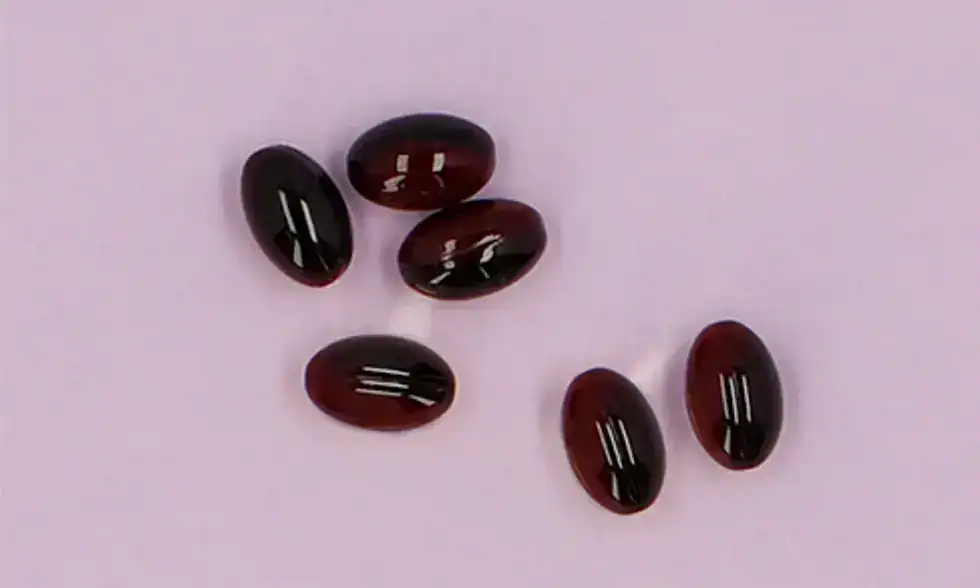
For a full comparison of astaxanthin supplement options, see our guide to the best astaxanthin supplement.
What Is Bilberry Extract and Why Is It Often Combined With Astaxanthin?
Bilberry is a small, deep-blue berry closely related to blueberries, native to Northern and Central Europe. It has been used in traditional medicine for centuries, and modern research has validated several of its health applications. Bilberry is exceptionally rich in anthocyanins, a class of antioxidant flavonoids responsible for its deep blue-purple colour. Anthocyanins have demonstrated antioxidant, anti-inflammatory, and vision-protective properties in clinical research.
Both astaxanthin and bilberry anthocyanins independently show evidence for protecting retinal cells, reducing eye fatigue from screen use, supporting night vision, and protecting against age-related macular changes. Combined, their different but complementary mechanisms provide broader, more comprehensive ocular protection than either alone. Beyond eye health, bilberry’s anthocyanins contribute to skin antioxidant defence and microvascular circulation, both of which complement astaxanthin’s skin and cardiovascular benefits.
Astaxanthin Dosage Guide
| Health Goal | Typical Research Dose |
|---|---|
| Skin health (elasticity, moisture, fine lines) | 4–6mg daily |
| Eye health and fatigue reduction | 6mg daily |
| Exercise recovery and endurance | 4–12mg daily |
| Cardiovascular markers | 6–12mg daily |
| General antioxidant support | 4–8mg daily |
Is Astaxanthin Safe?
Natural astaxanthin from Haematococcus pluvialis has a well-established safety profile in available research. It has been used in human clinical trials at doses ranging from 4mg to 40mg daily without significant adverse effects reported. Astaxanthin has GRAS (Generally Recognised As Safe) status in the United States and is approved as a novel food ingredient in the European Union. It has been consumed by humans for decades, primarily through seafood, and has a long history of safe use as a food supplement.
Clinically, it is well-tolerated at typical supplement doses of 4–12mg daily. The most commonly reported mild effects at very high doses over 40mg daily, well above the normal supplement range, are a slight yellowing or reddening of the skin and stool, which is cosmetic, harmless, and fully reversible on stopping supplement intake.
Astaxanthin Side Effects
The reported side effects in clinical literature are generally mild and uncommon:
- Skin discolouration: At high doses, astaxanthin can cause a slight pinkish or yellowing of the skin, carotenodermia, the same effect seen in people who eat very large quantities of carrots. Harmless and fully reversible.
- Changes in stool colour: The red-orange pigment can affect the colour of stools at higher doses.
- Digestive discomfort: Very occasionally, some individuals report mild stomach discomfort or loose stools, particularly when first starting supplements. Taking it with food reduces this significantly.
- Altered blood pressure: Some research suggests astaxanthin may reduce blood pressure modestly, a potential benefit for most people, but worth being aware of for those already on blood pressure medication.
Astaxanthin does not appear to have the pro-oxidant effects at high doses that some other fat-soluble antioxidants (notably beta-carotene) exhibit, which makes it a genuine safety advantage.
While astaxanthin is generally well-tolerated, a few potential interactions are worth noting:
- Blood-thinning medications (anticoagulants such as warfarin): Astaxanthin has mild anticoagulant properties. If you’re on prescription blood thinners, speak to your doctor before taking the supplement.
- Blood pressure medications: The potential blood pressure-lowering effect of astaxanthin could compound the effect of antihypertensive medications. Monitoring is appropriate if you take these.
- Hormone-sensitive conditions: While astaxanthin has no established oestrogenic activity, women with hormone-sensitive conditions such as oestrogen receptor-positive breast cancer should consult their doctor before using carotenoid supplements.
- 5-alpha reductase inhibitors: Some research suggests astaxanthin may have mild inhibitory effects on 5-alpha reductase. If you take medications that already affect this enzyme, such as finasteride, your doctor should be aware.
When To Speak With A Healthcare Professional
Astaxanthin is appropriate for self-supplementation for most healthy adults, but there are circumstances where speaking to your doctor first is advisable:
- You are pregnant or breastfeeding
- You take prescription medications, particularly blood thinners or blood pressure drugs
- You have a known medical condition, particularly liver conditions, metabolic disorders, or hormone-sensitive conditions
- You plan to take doses above 12mg daily
- You experience unexpected reactions after beginning supplements
Conclusion
Astaxanthin is one of those nutrients that rewards the people who discover it. It’s not trendy in the way that collagen and hyaluronic acid have become, but the evidence for what it does is substantial, consistently replicated, and relevant across a remarkable range of health concerns. If your primary interest is skin health, the clinical evidence is as strong as you’ll find for any non-prescription supplement. If it’s eye health, cardiovascular protection, or fitness recovery, the research is encouraging and growing. If it’s the desire to give your cells the most potent antioxidant protection available from a natural source, astaxanthin delivers that across every tissue in the body simultaneously.
Take the Skin Test Quiz to know products suited to your skin type, concerns, and wellness goals.