

Skincare Routine for Mature Skin Over 50: Morning & Night Steps for Glowing Skin
From your mid-20s, your body produces about 1% less collagen each year. By the time you reach 50, that loss is significant, and it shows. Collagen is the protein responsible for your skin’s structure and plumpness. Elastin, its partner, keeps skin springy and firm. As both decline, skin becomes thinner, more prone to sagging, and takes on a crepey texture. The hormonal shift of menopause, particularly the drop in oestrogen, has a dramatic impact on skin. Oestrogen plays a key role in stimulating collagen production and maintaining skin hydration. When levels fall, skin can become significantly drier, more sensitive, and less resilient almost overnight. Many women notice these changes happen rapidly, within the first few years of menopause.
Young skin renews itself roughly every 28 days. In your 50s, that cycle slows to 60 days. Dead skin cells linger on the surface longer, creating a dull, uneven complexion. This also means active skincare ingredients take longer to penetrate and work. Sebaceous glands become less active with age, reducing the skin’s natural oil (sebum) production. This leads to chronic dryness, increased sensitivity, and a compromised skin barrier, making skin more reactive to environmental stressors.
Key Skincare Ingredients to Look for After 50
- Retinol (and Retinoids)
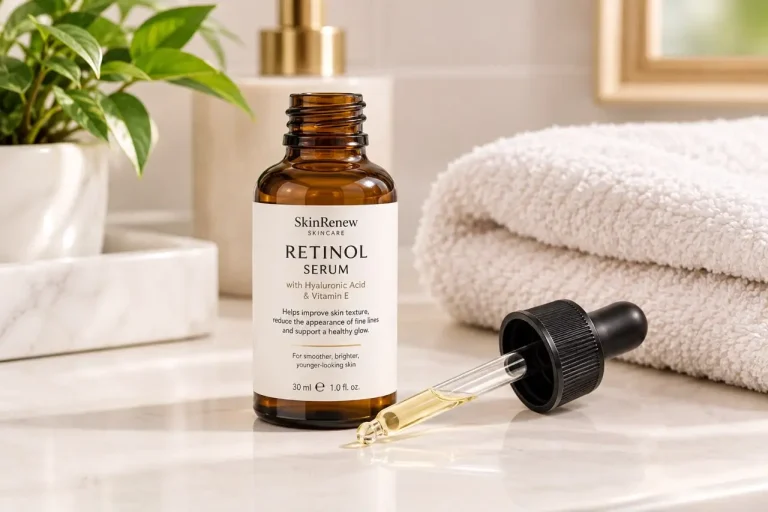
The gold standard of anti-ageing. Retinol stimulates collagen production, accelerates cell turnover, and visibly reduces fine lines and age spots. Start with a low concentration (0.1-0.3%) and increase gradually.
- Hyaluronic Acid
A powerful humectant that draws moisture into the skin and holds it there. Essential for combating the dryness that comes with hormonal changes. Look for products that contain multiple molecular weights of hyaluronic acid for deeper hydration.
- Peptides
Short chains of amino acids that signal the skin to produce more collagen. Peptides are gentler than retinol, making them ideal for sensitive mature skin, and they pair beautifully with most other actives.
- Vitamin C
A brightening antioxidant that helps fade dark spots, even out skin tone, and protect against environmental damage. It also boosts the effectiveness of SPF. Use it in your morning routine.
- Niacinamide (Vitamin B3)
A multi-tasking powerhouse that strengthens the skin barrier, minimises pores, reduces redness, and improves skin texture. Particularly helpful for post-menopausal skin that has become more sensitive.
- Ceramides
Lipids that form a protective layer in the skin barrier, sealing in moisture. Mature skin loses ceramides over time, so replenishing them through skincare is vital.
- SPF (Sun Protection Factor)
Not just an ingredient, but a non-negotiable step. UV exposure is responsible for up to 80% of visible skin ageing. Daily SPF (minimum 30) is the most powerful anti-ageing tool available, full stop.
Step-by-Step Skincare Routine for Mature Skin
Morning Routine
Step 1: Gentle Cleanser. Start with a creamy, non-stripping cleanser. Avoid foaming formulas with sulphates, as they disrupt your skin barrier, which is already more vulnerable at this stage. Cleanse with lukewarm water, never hot.
Step 2: Toner or Essence. An alcohol-free toner or hydrating essence preps the skin to absorb subsequent products more effectively. Look for ingredients like hyaluronic acid, panthenol, or rose water.
Step 3: Vitamin C Serum. Apply a brightening serum to target pigmentation and provide antioxidant protection throughout the day. Allow it to absorb for 30–60 seconds before the next step.
Step 4: Eye Cream. The eye area is the first to show signs of ageing; it’s thinner, drier, and more delicate. Use a dedicated eye cream with peptides or caffeine to address puffiness, dark circles, and fine lines.
Step 5: Moisturiser. A rich, nourishing moisturiser locks everything in and provides an all-day hydration shield. Choose formulas with ceramides, peptides, or squalane for mature skin.
Step 6: SPF 30+ Sunscreen. Every single day, rain or shine, indoors or outdoors. UV rays penetrate windows. This is the step you cannot skip.
Evening Routine
Step 1: Double Cleanse (if wearing SPF/makeup). Use a cleansing oil or micellar water first to break down SPF and makeup, followed by your regular gentle cleanser.
Step 2: Exfoliant (2–3 times per week). A mild chemical exfoliant, such as a low-concentration AHA like lactic or mandelic acid, gently dissolves dead skin cells without the micro-tears caused by physical scrubs. This is key to that glow.
Step 3: Retinol Serum. Apply on nights when you’re not exfoliating. Retinol works best at night (it degrades in sunlight) and should be introduced slowly: start two nights a week, then build up as your skin adapts. Always follow with moisturiser to buffer any sensitivity.
Step 4: Peptide or Hydrating Serum. On retinol nights, layer a peptide or hyaluronic acid serum over your retinol after it has absorbed. On non-retinol nights, this becomes your primary active.
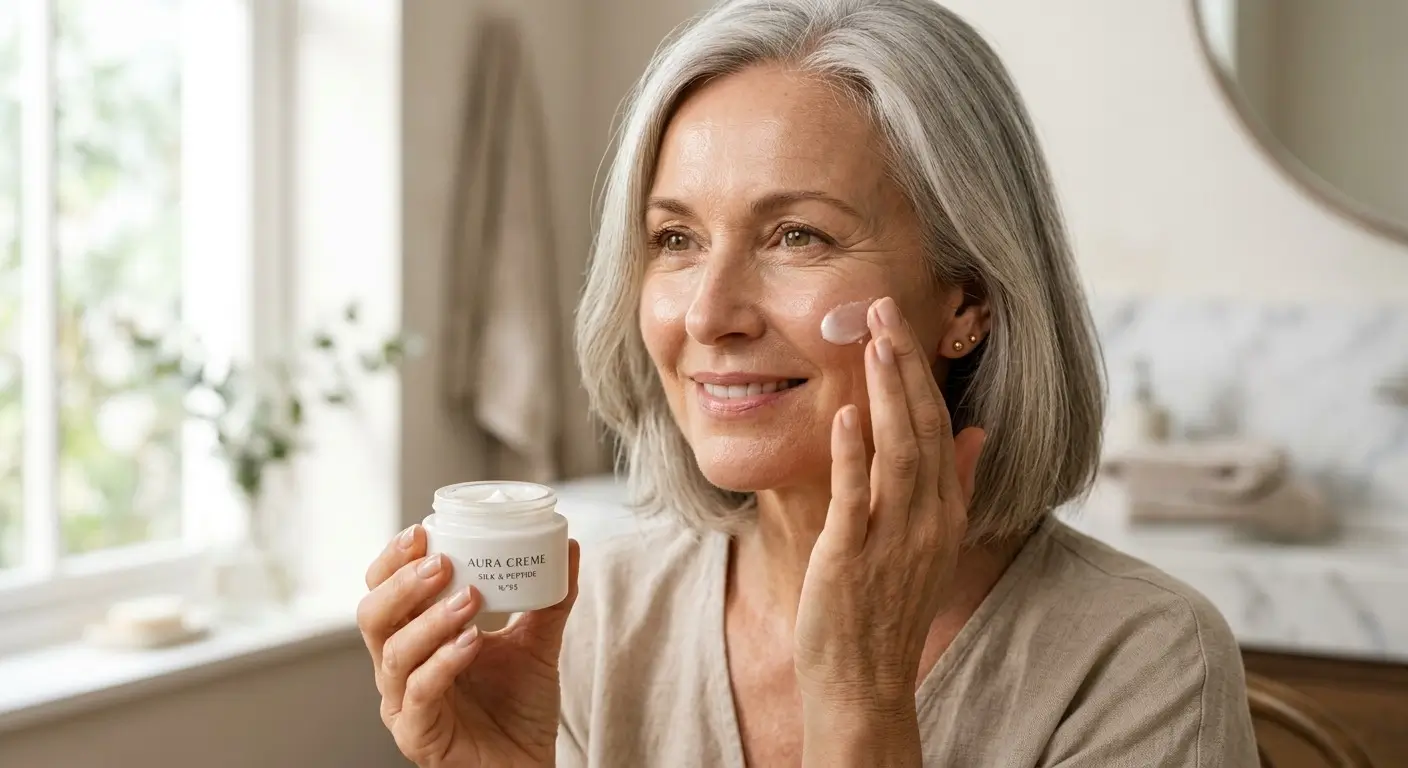
Step 5: Rich Night Cream. Night is when skin repairs itself most actively. A rich night cream, ideally one containing peptides, ceramides, and niacinamide, supports this regenerative process. Don’t skimp here.
Step 6: Facial Oil or Occlusive (optional). Seal everything in with a face oil or a thin layer of a balm-like product. This is especially helpful in dry climates or during winter months.
A Complete Skincare Set
If building a routine from scratch feels overwhelming, a well-designed, complete skincare regimen takes the guesswork out of it. The Novage+ Restore Renewing Routine is one example of a multi-step skincare system formulated specifically for mature skin, combining targeted serums, a day cream with SPF, and a restorative night cream that work together synergistically. When individual products are designed as a system, the ingredients complement rather than compete with each other, which is particularly important for sensitive mature skin.
Common Skincare Mistakes Women Over 50 Make
1. Using the Same Products They Used at 30
Lightweight gel moisturisers and mattifying products were great in your 30s. Mature skin needs richer, more nourishing formulas. If your routine hasn’t changed in a decade, it’s time for a reassessment.
2. Over-Exfoliating
More isn’t better. Over-exfoliating strips the skin barrier, causes redness and sensitivity, and actually accelerates skin ageing. Two to three times per week with a gentle acid is sufficient.
3. Skipping Sunscreen on Cloudy Days (or Indoors)
UV rays don’t take days off. UVA rays, which cause deep skin ageing, penetrate clouds and glass. SPF is a daily non-negotiable, 365 days a year.
4. Ignoring the Neck and Décolletage
The neck and chest are often the first places to show ageing, and they’re almost always forgotten. Extend every single product, including SPF, down to your chest.
5. Jumping from Product to Product
Skincare takes time. Most active ingredients need 8–12 weeks of consistent use before visible results appear. Give products a fair trial before dismissing them.
6. Neglecting Hydration from Within
No cream compensates for chronic dehydration. Aim for at least 8 glasses of water daily, and consider an omega-3-rich diet (fatty fish, flaxseed, walnuts) to support skin barrier function from the inside out.
Tips for Long-Term Skin Health After 50
- Prioritise sleep. Skin regenerates between 10 pm and 2 am. Chronic sleep deprivation shows up directly on your face.
- Manage stress. Cortisol (the stress hormone) breaks down collagen and triggers inflammation. Yoga, meditation, and walks in nature are genuinely good for your skin.
- Eat antioxidant-rich foods. Berries, leafy greens, tomatoes, and dark chocolate help fight free radical damage at a cellular level.
- Exercise regularly. Physical activity boosts circulation, delivering oxygen and nutrients to skin cells. Some research even suggests it can slow cellular ageing.
- See a dermatologist annually. A professional can identify early signs of skin cancer, recommend prescription-strength treatments (like tretinoin), and personalise your routine.
- Consider a humidifier. Especially during winter or in air-conditioned environments, indoor air can be very dry. A humidifier adds moisture back into the air and helps skin stay hydrated.
Take a skin quiz to discover the best routine and products for your skin type, concerns, and goals. Find My Perfect Skincare Routine
Conclusion
Mature skin deserves care. The changes you’re experiencing after 50 are a normal part of life, but they don’t have to mean dull, dry, or sagging skin. With the right ingredients, a consistent routine, and healthy lifestyle habits, your skin can look and feel genuinely vibrant. If you’re looking for a streamlined starting point, an integrated system like the Novage+ Restore Renewing Routine, designed specifically for the needs of mature skin, can take the complexity out of building a routine from scratch, giving you a cohesive foundation to build on.
To better understand what your skin is going through, it helps to learn how menopause changes your skin and why your routine needs to evolve. Also, read more on the National Institute on Aging notes