

Vaseline for Stretch Marks: Does It Work?
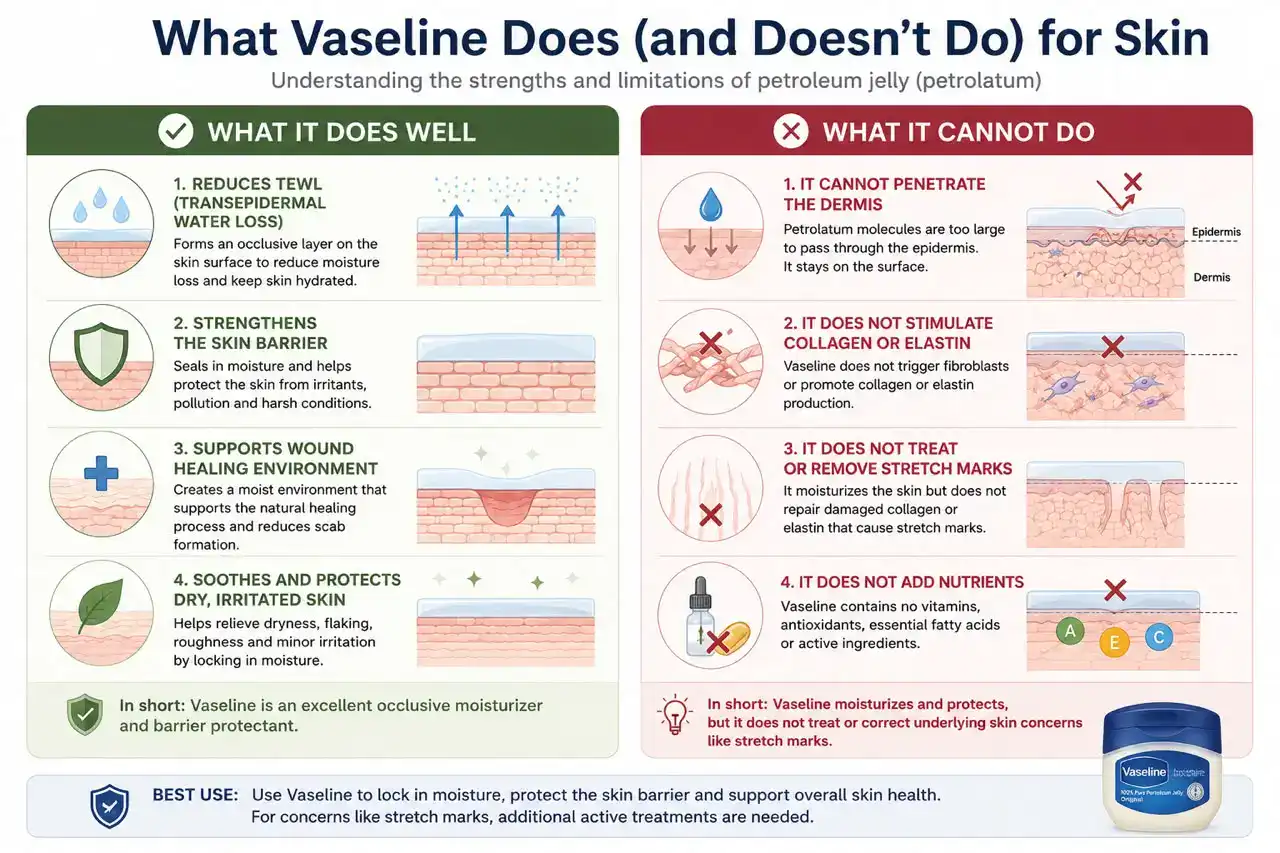
Vaseline, petroleum jelly, is an effective occlusive moisturizer that seals in skin hydration, reduces transepidermal water loss, and soothes the dryness and itch that accompany new stretch marks. It does not stimulate collagen production, cannot penetrate the dermis to address stretch mark tissue, and has no evidence of significantly reducing or removing stretch marks. Its value is in skin comfort and barrier support.
What Is Vaseline?
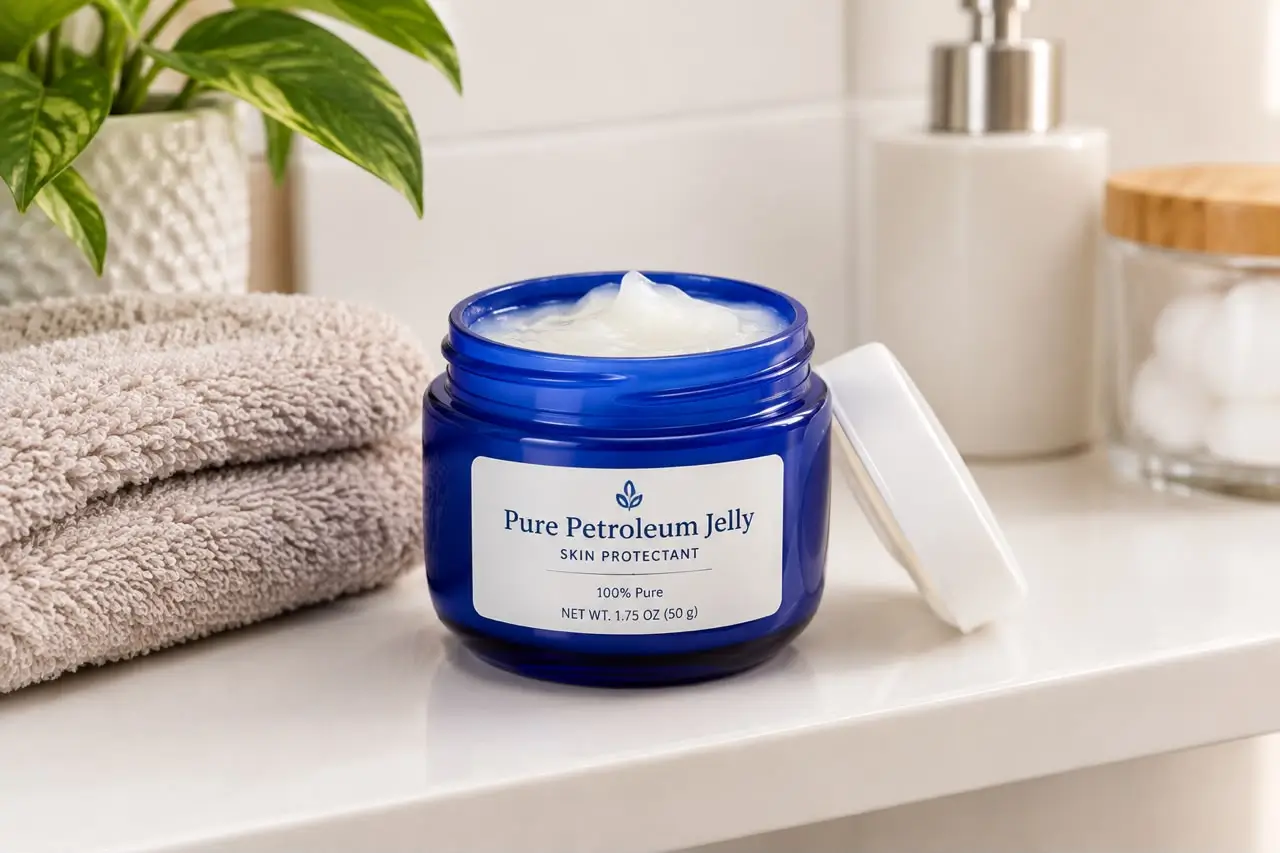
Vaseline is the best-known brand name for petroleum jelly, a semi-solid mixture of hydrocarbons derived from petroleum. Its INCI name is petrolatum, and cosmetic-grade petrolatum is a distinctly different product from industrial or crude petroleum. Petroleum jelly was first discovered by Robert Chesebrough in the 1860s when he observed oil workers using the waxy residue from oil drill rods to heal cuts and burns. He refined the material and began selling it commercially as Vaseline in 1872. Its wound-healing properties attracted medical attention almost immediately, and it has been used in clinical medicine, including as a vehicle for pharmaceutical products and as a wound dressing component, for over a century. Cosmetic-grade petrolatum is a refined, purified mixture of straight-chain, branched-chain, and cyclic hydrocarbons. The refining process removes potentially carcinogenic polycyclic aromatic hydrocarbons (PAHs) present in crude petroleum, producing a product with a long safety record in cosmetic and pharmaceutical use. The European Commission on Cosmetics and other regulatory bodies require full refinement certification for petrolatum used in cosmetics. Properly refined cosmetic-grade petrolatum, the kind in Vaseline and pharmaceutical-grade products, is considered safe for skin application. Plant oils and butters contain fatty acids, vitamins, polyphenols, and other bioactive compounds that interact with skin cell receptors and lipid structures. Petrolatum contains none of these; it is chemically inert on the skin. This is its main advantage for sensitive and reactive skin: no allergens, no fragrance, no actives to react to, and its main limitation for stretch mark treatment: no mechanism for influencing skin biology beyond the surface.
What Causes Stretch Marks?
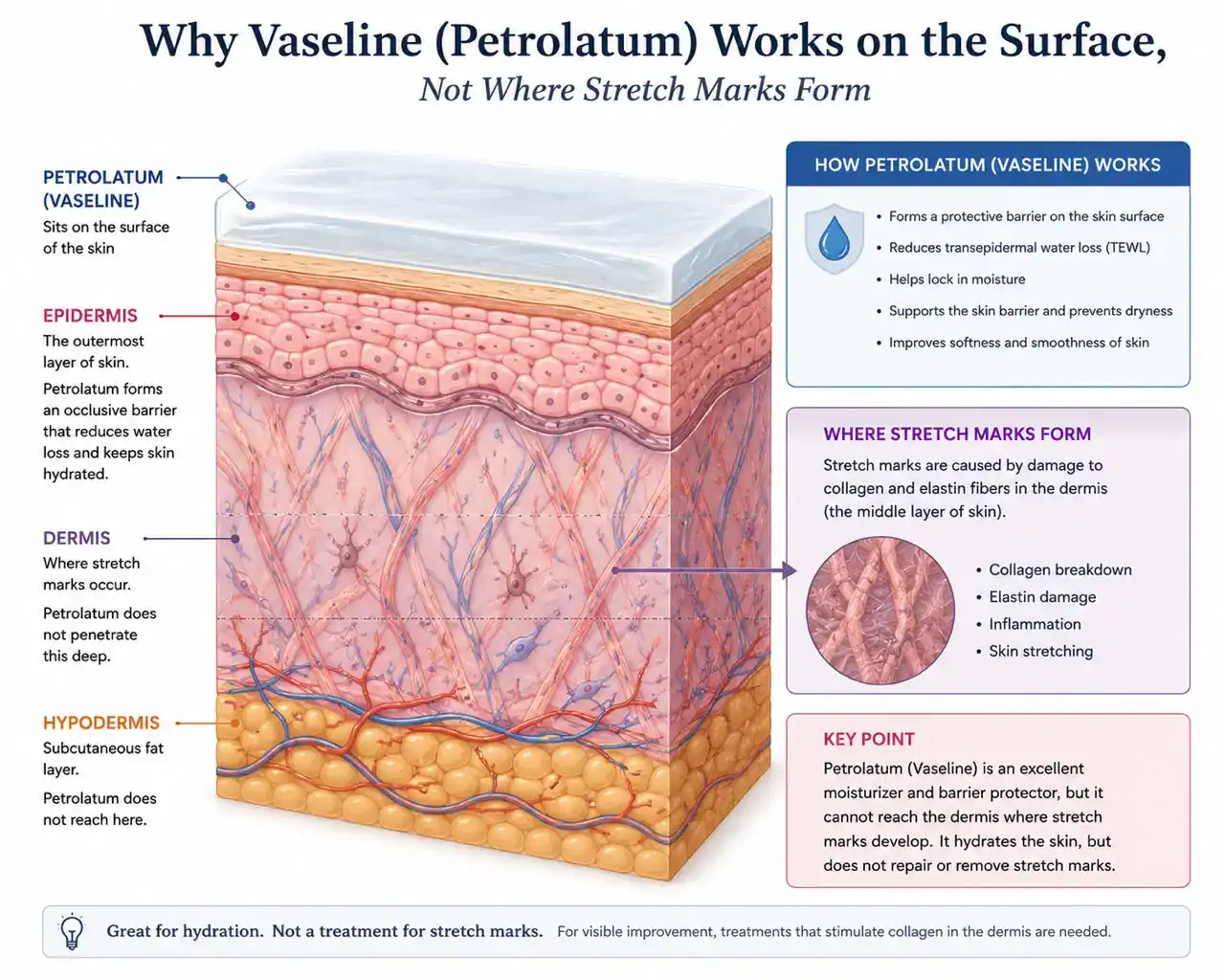
Stretch marks form in the dermis, the middle layer of skin, when the rate of skin expansion exceeds the capacity of collagen and elastin fibres to adapt. These fibres, produced by fibroblasts, are the structural scaffolding of skin. When they tear under rapid stretch, the inflammatory repair response produces the reddish marks visible at the early stage. Elevated cortisol, during pregnancy, under high stress, or from corticosteroid medication, suppresses fibroblast activity, reducing the skin’s ability to produce new collagen during periods when demand is highest. No product applied to the surface can override this systemic hormonal effect. As the healing process resolves, blood vessels contract, and the repaired tissue settles into the pale, atrophic, scar-like appearance of mature white marks. The melanocytes, pigment cells that give skin its colour, are reduced in number or activity within stretch marks, which is why they appear paler than surrounding skin, not just different in texture. Because stretch marks exist within the dermis, beneath the epidermis that surface products interact with, and because petroleum jelly is specifically formulated to remain on the skin surface, it has no pathway to influence stretch mark tissue directly.
See our detailed guide on What Causes Stretch Marks? for the full biological breakdown.
How Vaseline Works on Skin
- Occlusive barrier formation:
When applied to skin, petrolatum physically covers the skin surface with a protective layer. This barrier is highly effective at reducing transepidermal water loss (TEWL), the continuous passive evaporation of water through the skin’s outer layers. Studies in both wound care and dermatological contexts have demonstrated that petrolatum reduces TEWL by approximately 98%, making it one of the most effective occlusive agents available.
- Passive moisture sealing:
Petroleum jelly does not add moisture to the skin. It locks in whatever moisture is already present, which is why applying it to damp skin immediately after bathing is significantly more effective than applying it to dry skin. The occlusive layer traps the water already on and in the skin surface, preventing it from evaporating.
- Barrier repair support:
Research in wound healing has found that an intact, moist barrier accelerates epidermal cell migration and supports the natural healing process. Petroleum jelly’s occlusive effect creates the moist wound environment that dermatologists have long recognised as optimal for healing. Petroleum jelly does not penetrate the epidermis significantly. It sits on the skin surface. It contains no fatty acids that integrate into the skin’s lipid barrier. It does not stimulate collagen production. It has no antioxidant activity. It does not interact with skin cell receptors. Its action is entirely physical, creating a surface barrier, rather than biochemical.
Scientific Evidence for Petroleum Jelly and Stretch Marks
- Robust evidence:
The evidence for petrolatum as a barrier protectant and wound healing support agent is among the strongest in dermatology. The National Eczema Association includes petrolatum as a recommended moisturiser for eczema-prone skin, specifically because of its barrier-sealing properties and absence of common allergens. Wound care research consistently shows that moist wound environments facilitated by petrolatum produce better healing outcomes than dry conditions.
- Evidence that exists but is limited:
Some older studies on stretch mark prevention during pregnancy included moisturisers and showed modest benefits compared to no moisturisation. However, these studies typically used multi-ingredient products and could not isolate the contribution of petroleum jelly specifically.
- Evidence that does not exist:
No high-quality clinical trial has demonstrated that petroleum jelly alone significantly reduces the appearance of existing stretch marks, either red or white. No mechanism has been proposed through which petrolatum could achieve this, given that it does not penetrate the dermis or stimulate collagen-producing fibroblasts. The American Academy of Dermatology includes petroleum jelly in guidance on skin barrier maintenance and wound care but does not position it as a stretch mark treatment.
Vaseline for Red Stretch Marks
Red stretch marks are where petroleum jelly’s genuine skin benefits are most relevant, not because it treats the marks, but because of what the skin is experiencing at this stage.
New stretch marks are often accompanied by:
- Itching and tightness: As the dermis tears and heals, and as the surrounding skin is under stretch, the sensation of tightness and itch is common and sometimes uncomfortable.
- Dryness of the overlying skin: The epidermis over new stretch marks can become dry and flaky, exacerbating both the discomfort and the visual appearance.
- General skin sensitivity: The inflammatory response in the underlying dermis can make the overlying skin feel more reactive.
For all of these, petroleum jelly is genuinely helpful. Applied to damp skin, it soothes the itch by maintaining epidermal hydration, reduces the tightness sensation, and protects the sensitive surface skin. It provides a clean, inert barrier that keeps moisture in and potential irritants out, without adding fragrance or allergens that might aggravate already-sensitive tissue.
Vaseline for White Stretch Marks
White stretch marks are stable, scar-like tissue. The inflammatory phase has long resolved. Blood vessels have contracted. Collagen is fixed in its reorganised, disordered pattern. Melanocytes are sparse or inactive in the marked area.
For petroleum jelly applied to white marks:
- It keeps the skin surface hydrated and soft, which may improve how the marks look in dry conditions
- It may slightly improve surface texture by preventing the dryness that accentuates the visual contrast between marks and surrounding skin
- It provides general skin comfort and smoothness
For any meaningful improvement of white stretch-mark appearance, reducing colour contrast, improving texture depth, and stimulating some collagen remodelling, topical petroleum jelly has no established mechanism. The treatments that produce visible improvement in white marks, fractional laser, radiofrequency microneedling, and long-term retinoid use all act on the dermis. Petroleum jelly does not reach there.
Vaseline During Pregnancy
Petroleum jelly is widely used during pregnancy, and its safety profile supports this. It contains no retinoids, no concentrated essential oils, no parabens, and no fragrance. For someone navigating the many ingredient restrictions of pregnancy skincare, it is one of the most reliably inert options available.
What it is good for during pregnancy:
- Preventing and relieving the extreme dryness and stretch-related itch that many women experience in the second and third trimesters
- Protecting the navel area and other points of high skin tension from chafing and moisture loss
- As a simple, accessible daily moisturiser for stretch-prone areas, applied after bathing
What it cannot do:
- Prevent stretch marks: The evidence for petroleum jelly specifically preventing stretch marks is absent. Genetic factors, hormonal changes, and rate of growth dominate stretch mark risk, and no occlusive barrier product can override these.
- Compared to active stretch mark prevention ingredients, centella asiatica and hyaluronic acid have more specific evidence for supportive skin effects during pregnancy than petroleum jelly, though all topical options face the same ceiling in terms of what is achievable.
See our comprehensive guide on Stretch Marks During Pregnancy for a full review of pregnancy-safe skincare options.

Benefits of Vaseline for Skin
- Superior barrier protection: Among all occlusive agents commonly available for consumer use, petrolatum is among the most effective at reducing transepidermal water loss. This makes it particularly valuable for people with dry, compromised, or eczema-prone skin.
- Hypoallergenic skin care: Because it is chemically inert and contains no botanical compounds, fragrance, or common allergens, petrolatum is one of the most universally tolerated skincare ingredients available. The American Contact Dermatitis Society regularly lists it among the least allergenic skincare ingredients.
- Wound healing support: The moist occlusive environment that petrolatum creates accelerates epidermal healing and reduces the risk of scar formation in superficial wounds, an application with decades of clinical evidence.
- Chafing and friction protection: For areas prone to skin-on-skin friction or environmental irritation, petroleum jelly’s lubricating occlusive properties provide effective protection.
- Eczema management: The National Eczema Association recommends petrolatum as a safe, effective emollient for eczema-prone skin, where its barrier-sealing properties help prevent the moisture loss that drives flares.
Vaseline vs Other Stretch Mark Ingredients
| Ingredient | Evidence for Stretch Marks | Penetrates Dermis? | Collagen Stimulation? | Vitamins/Actives? | Pregnancy Safe |
|---|---|---|---|---|---|
| Vaseline (petrolatum) | None (as stretch mark treatment) | No | No | None | Yes |
| Shea butter | Limited | Partially (oleic acid) | No | Yes (vitamins, triterpenes) | Yes |
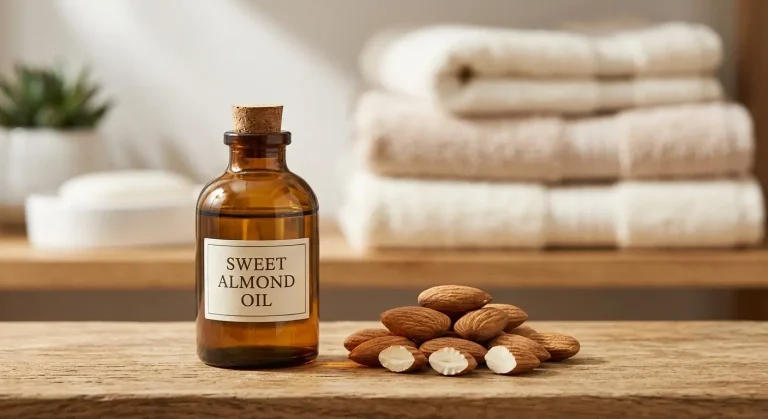
| Almond oil | Limited–Moderate | Partially | No | Yes (vitamin E) | Yes |
| Avocado oil | Limited (growing) | Yes (oleic acid) | No | Yes (vitamins, phytosterols) | Yes |
| Coconut oil | Limited | Partial surface only | No | Some (vitamin E, antioxidants) | Yes |
| Aloe vera | Limited | Surface level | No | Yes (polysaccharides, vitamins) | Yes |
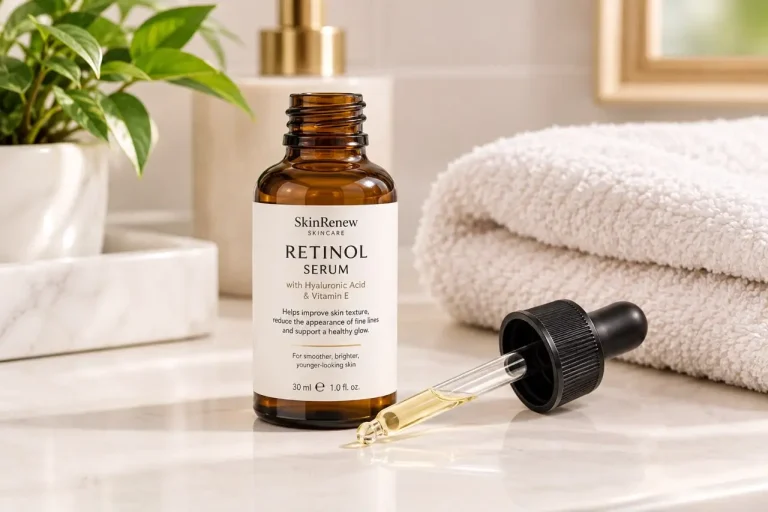
| Retinol | Moderate–Strong | Yes, upper dermis | Yes | Yes (vitamin A derivative) | No |
| Tretinoin | Strong (RCTs) | Yes, dermis | Yes (direct) | Yes (prescription vitamin A) | No |
| Centella asiatica | Moderate | Yes, upper dermis | Yes | Yes (triterpenoids) | Yes |
See our ingredient guides on Shea Butter, Almond Oil, Avocado Oil, Coconut Oil, Aloe Vera, Retinol, and Tretinoin for comparison.
How to Use Vaseline Effectively
- Apply to damp skin:
Petroleum jelly does not contribute moisture; it seals it. Apply it immediately after bathing, before your skin is fully dry, and you are sealing in the water on and in your skin. Apply it to completely dry skin, and you are sealing in very little.
- Use a thin layer:
A small amount goes a long way. Petrolatum is occlusive at a very thin film thickness; using more does not increase effectiveness, and a heavy layer can feel uncomfortable.
- Layer it last:
If you are using other skincare products, serums, lotions, or active creams, apply them first and use petroleum jelly as the final step. Its occlusive layer traps everything beneath it. Applying it first and then layering actives on top means the actives largely stay at the surface rather than penetrating where they need to go.
- Use it as a massage medium:
Petroleum jelly has a smooth, low-friction texture that makes it a practical medium for skin massage. The massage itself contributes to skin tissue health independently of any product used, stimulating blood flow and lymphatic drainage. Using petrolatum for this purpose is reasonable; just understand that the benefit is primarily from the massage, not the product. For very dry skin or stretched, uncomfortable skin during pregnancy, morning and evening application to damp skin provides sustained barrier support through the day and overnight conditioning.
Common Mistakes When Using Vaseline for Stretch Marks
- Applying to dry skin: The most common error. Petrolatum applied to completely dry skin seals in almost no moisture and feels heavy and uncomfortable. Always apply to damp skin.
- Expecting stretch mark reduction: Petroleum jelly cannot produce the change in the dermis that visible stretch mark improvement requires. Using it with this expectation leads to abandonment before its genuine benefits, barrier support, and dryness relief have been properly experienced.
- Using it instead of more active treatments for red marks: The window when stretch marks are red is the most valuable treatment period for active ingredients. Using petroleum jelly as the sole approach during this window misses the opportunity for more meaningful intervention.
- Confusing “moisturising” with “collagen repair”: These are fundamentally different processes at different tissue levels. Moisturising supports the skin surface. Collagen repair requires biological signalling in the dermis. Petroleum jelly does the first well and has no pathway to the second.
- Neglecting nutrition and hydration: Topical barrier products are only one part of skin health. Adequate dietary protein, vitamin C, zinc, and water intake support skin resilience from within in ways that no topical product can replicate.
Who Should Use Vaseline?
- Very dry skin: For chronically dry, flaky, or rough skin, petrolatum’s occlusive properties provide sustained moisture retention that lighter moisturisers cannot match. Particularly useful in cold, dry climates or during heated indoor winters.
- Compromised skin barrier: People with eczema, psoriasis, or other conditions that disrupt the skin barrier benefit specifically from petrolatum’s ability to temporarily compensate for barrier dysfunction while the skin repairs itself.
- Pregnancy: The combination of safety with no concerning ingredients, effectiveness at soothing dry and itchy stretched skin, and affordability makes it a practical choice for pregnant women who want reliable skin comfort without ingredient concerns.
- Sensitive or reactive skin: Because it contains no botanical compounds, fragrance, or preservatives that commonly cause reactions, petrolatum is one of the safest choices for people with multiple ingredient sensitivities.
- Post-procedure skin care: Dermatologists regularly recommend petroleum jelly after laser treatments, chemical peels, and other procedures to protect healing skin and maintain the moist environment that promotes recovery.
Looking for More Than Moisture?
Petroleum jelly provides one thing extremely well: moisture sealing. It contains no vitamins, no essential fatty acids, no plant antioxidants, no compounds that interact with skin cell biology. If barrier support and dryness relief are your primary needs, it is an excellent choice. For those who want a daily body moisturiser that also delivers nourishing plant compounds alongside its moisturising properties, a plant oil offers a different profile. The Love Nature Nourishing Body, Face & Hair Oil with Organic Avocado Oil provides daily skin nourishment alongside moisturisation: oleic acid for upper dermis hydration, vitamin E for antioxidant protection, phytosterols for mild anti-inflammatory support, and a texture that absorbs rather than sits on the skin surface. Used in the morning after your shower, on damp skin, with massage, it offers a different kind of daily skin support than petroleum jelly’s occlusive approach.
When Vaseline Is Not Enough
- Red stretch marks: If visible improvement of early marks is the goal, active ingredients are needed. Centella asiatica and hyaluronic acid-containing creams are pregnancy-safe options. Retinol and tretinoin, after breastfeeding, under medical guidance, are the most evidence-backed topical options outside pregnancy.
- White stretch marks: Clinical procedures, fractional CO₂ laser, radiofrequency microneedling, produce the most significant improvement for mature marks. Active ingredients, long-term retinoid use, can contribute to modest improvement alongside these.
- Combination approach: For many people, a practical routine combines the genuine barrier benefits of petroleum jelly, moisture sealing in the evening, with the active ingredient benefits of a centella asiatica or retinol cream, and the nourishing benefits of a plant oil, covering what each is actually designed to do.
See our complete guide on Stretch Mark Treatment Options for a full breakdown of clinical and topical approaches. → See our guide on Retinol for Stretch Marks and Tretinoin for Stretch Marks for the most evidence-backed topical treatments.
Source References
- American Academy of Dermatology (AAD): Referenced for skin barrier guidance and petrolatum use.
- Mayo Clinic: General skincare and wound healing reference.
- National Eczema Association: Referenced for petrolatum recommendation as an eczema emollient.
Conclusion
Vaseline does what it is designed to do, reliably, safely, and at low cost. For protecting dry or compromised skin, soothing stretched and itchy pregnancy skin, and sealing in moisture overnight, it has few competitors. What it was never designed to do is treat dermal scarring from the outside. The structural changes that stretch marks represent in the collagen architecture of the dermis, in the distribution of melanocytes, and in the organisation of extracellular matrix proteins are simply beyond the reach of any product that sits on the skin surface. Understanding this turns petroleum jelly from a disappointment into exactly what it is: an excellent skin barrier ingredient that belongs in a constructed skincare routine, not as the centrepiece of a stretch mark treatment plan. Build your routine around what each product genuinely contributes. Use petroleum jelly for what it does best. Use more targeted ingredients for what it cannot do. And if significant improvement of established marks is the goal, a dermatologist consultation will give you access to the tools that actually move the needle.
What Causes Stretch Marks? | Stretch Mark Treatment Options | Retinol for Stretch Marks | Stretch Marks During Pregnancy