


Best Stretch Mark Treatment Options: Medical vs Natural
The most effective options depend on the age and colour of the marks. Red stretch marks respond best to retinoids not during pregnancy, laser therapy, and microneedling. White stretch marks benefit most from fractional laser and radiofrequency microneedling. Consistent moisturising with evidence-backed ingredients supports all stages.
Can Stretch Marks Really Be Removed?
Stretch marks are structural changes within the dermis, the middle layer of skin. They form when collagen and elastin fibres tear due to rapid stretching. The resulting marks are a form of internal scarring. Even the most advanced clinical procedures do not restore original skin architecture.
What treatments can achieve, and this is genuinely meaningful, is a significant, lasting improvement in:
- Colour: Reducing the contrast between marks and surrounding skin
- Texture: Smoothing the surface and reducing the depth or groove of marks
- Visibility: Making marks substantially less noticeable in everyday life
For many people who pursue appropriate treatment consistently and with realistic expectations, stretch marks become barely visible. The American Academy of Dermatology is clear that while treatments can make stretch marks less noticeable, they cannot eliminate them.
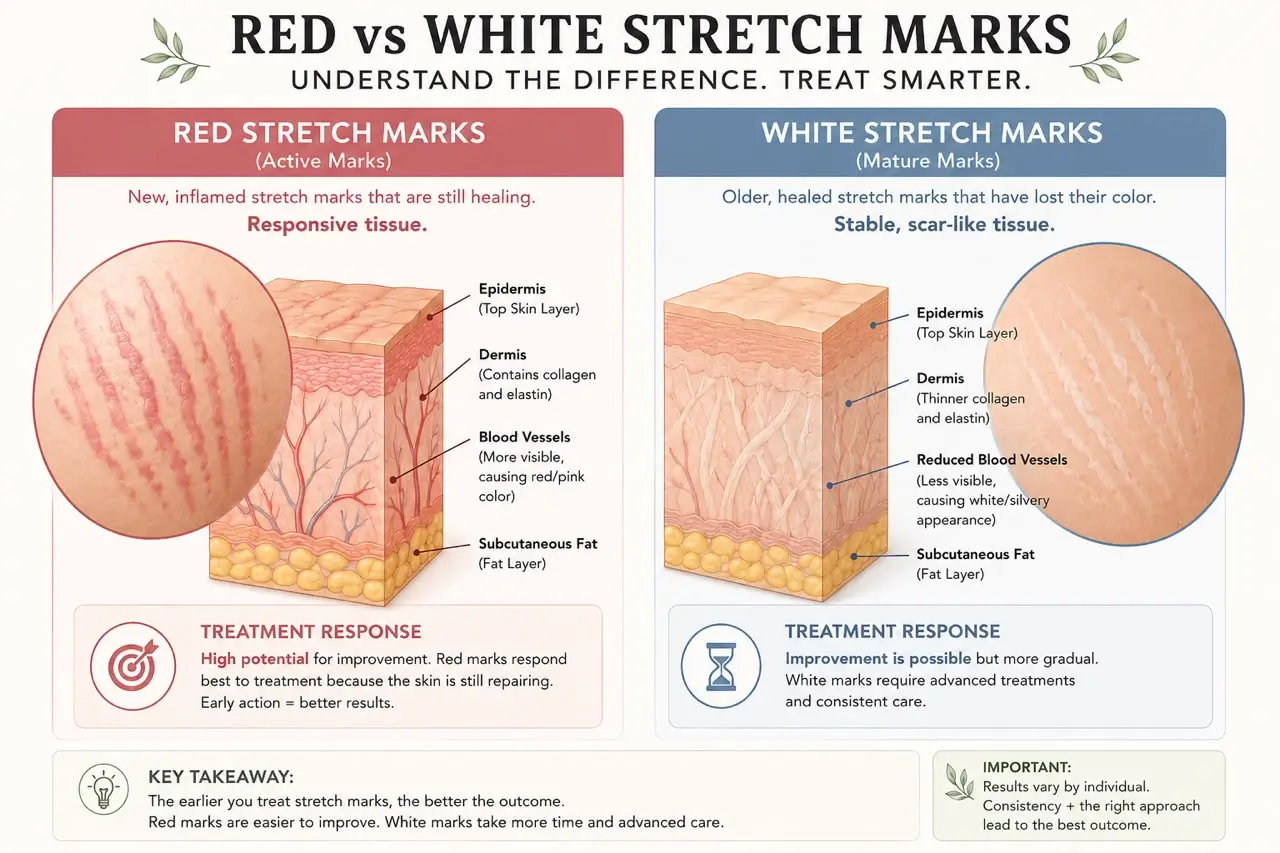
The single most important variable in stretch mark treatment, more important than which product or procedure you choose, is when you treat. Red and purple stretch marks are newer. They are still in an active inflammatory phase. The dermis tissue is metabolically active, with fibroblasts working to produce new collagen and blood vessels supplying the area. This makes the tissue genuinely responsive to treatments that stimulate or amplify the repair process. White stretch marks are older. The tissue has settled into a stable, scar-like state. Blood vessels have contracted. Fibroblast activity has significantly reduced. Treatments can still produce improvement, but more sessions are needed, results are more modest, and the timeline is longer.
Start treatment as soon as stretch marks appear, ideally while they are still red or pink. Every week of delay narrows the window of maximal treatment response.
See our detailed comparison on Red Stretch Marks vs White Stretch Marks for a full breakdown of treatment response by stage.
Moisturisers and Stretch Mark Creams
Topical creams are the most accessible starting point for stretch mark treatment, and the most widely misunderstood.
What they can do:
- Maintain the skin’s hydration, improving texture and softness
- Deliver active ingredients that stimulate some collagen remodelling in the upper dermis
- Reduce redness, itchiness, and tightness of newer marks
- Support the skin’s repair environment
What they cannot do:
- Reach the full depth of the dermis, where stretch marks are structurally anchored
- Reverse established scar tissue in white stretch marks to any meaningful degree independently
- Remove stretch marks
The Body Edition Anti-Stretch Mark Body Concentrate is suited to anyone looking for a daily moisturising product to include in a stretch mark skincare routine, whether during pregnancy, postpartum, during periods of weight or body change, or as a daily maintenance step for existing marks. It is accessible and easy to incorporate into an established routine.
Best Ingredients in Stretch Mark Creams
- Hyaluronic acid draws water into the skin and may support collagen synthesis. One of the most effective moisturising ingredients available, and safe during pregnancy. Strong evidence for skin hydration and elasticity.
- Centella asiatica (Cica) stimulates collagen and fibronectin production and has been studied specifically for stretch mark prevention and early treatment. Some clinical trials show meaningful results compared to placebo, including in pregnancy contexts. Generally safe during pregnancy. Evidence level: Moderate–Strong.
- Peptides amino acid chains that signal fibroblasts to increase collagen production. Supportive of skin structural maintenance. Evidence level: Moderate.
- Ceramides restore and maintain the skin’s lipid barrier, supporting overall skin health and moisture retention. Evidence level: Strong for barrier support; indirect for stretch marks.
- Vitamin C is essential for collagen synthesis and improves skin tone and reduces the colour contrast between marks and surrounding skin. Evidence level: Moderate (topical application); Strong (dietary).
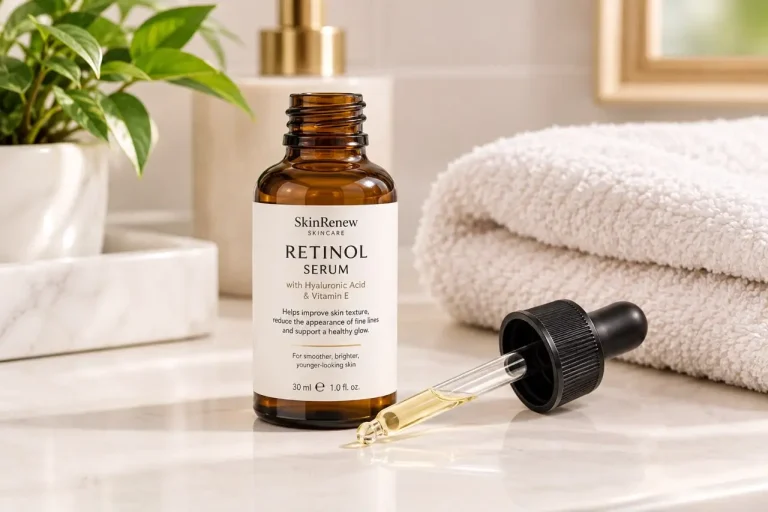
- Retinol (OTC vitamin A) stimulates cell turnover and collagen production; among the best-evidenced topical active ingredients for stretch marks. Avoid during pregnancy and breastfeeding.
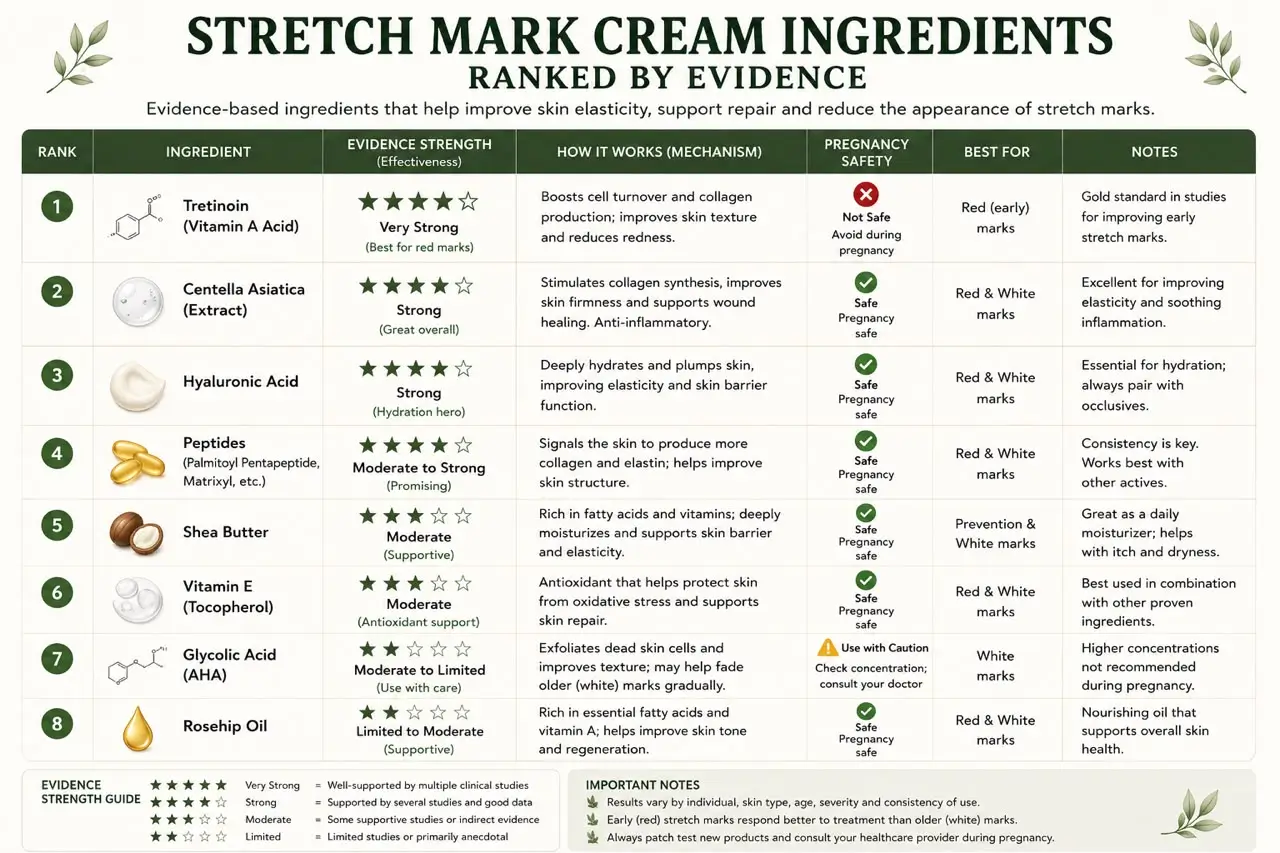
See our full guide on Do Stretch Mark Creams Really Work? for a complete ingredient-by-ingredient breakdown.
Body Oils
Body oils contribute to stretch mark management in two overlapping ways: direct skin and as a vehicle for daily massage.
Avocado oil is rich in oleic acid, vitamins A, D, and E, and plant sterols. Mild anti-inflammatory properties. A good all-purpose daily massage oil. The Love Nature Nourishing Body, Face & Hair Oil with Organic Avocado Oil is a nourishing daily option that works well for all stretch-prone body areas. Rich in oleic acid, vitamins A, D, and E, and plant sterols with mild anti-inflammatory properties.
Almond oil has the most specific clinical evidence in this category, from a randomised controlled trial showing reduced stretch mark development in pregnant women who massaged with it daily.
Shea butter deeply nourishing emollient, excellent for skin softness and barrier support. Limited specific evidence for stretch mark reduction.
Cocoa butter widely used and genuinely moisturising. A well-designed clinical trial found no significant advantage over plain moisturiser for stretch mark prevention in pregnancy. Safe and nourishing but not a treatment.
Coconut oil good emollient and supports skin hydration. Limited dedicated stretch-mark evidence.
See our full evidence comparison on Best Oils for Stretch Marks. → See our guide on Natural Remedies for Stretch Marks.
Retinoids (Retinol and Tretinoin)
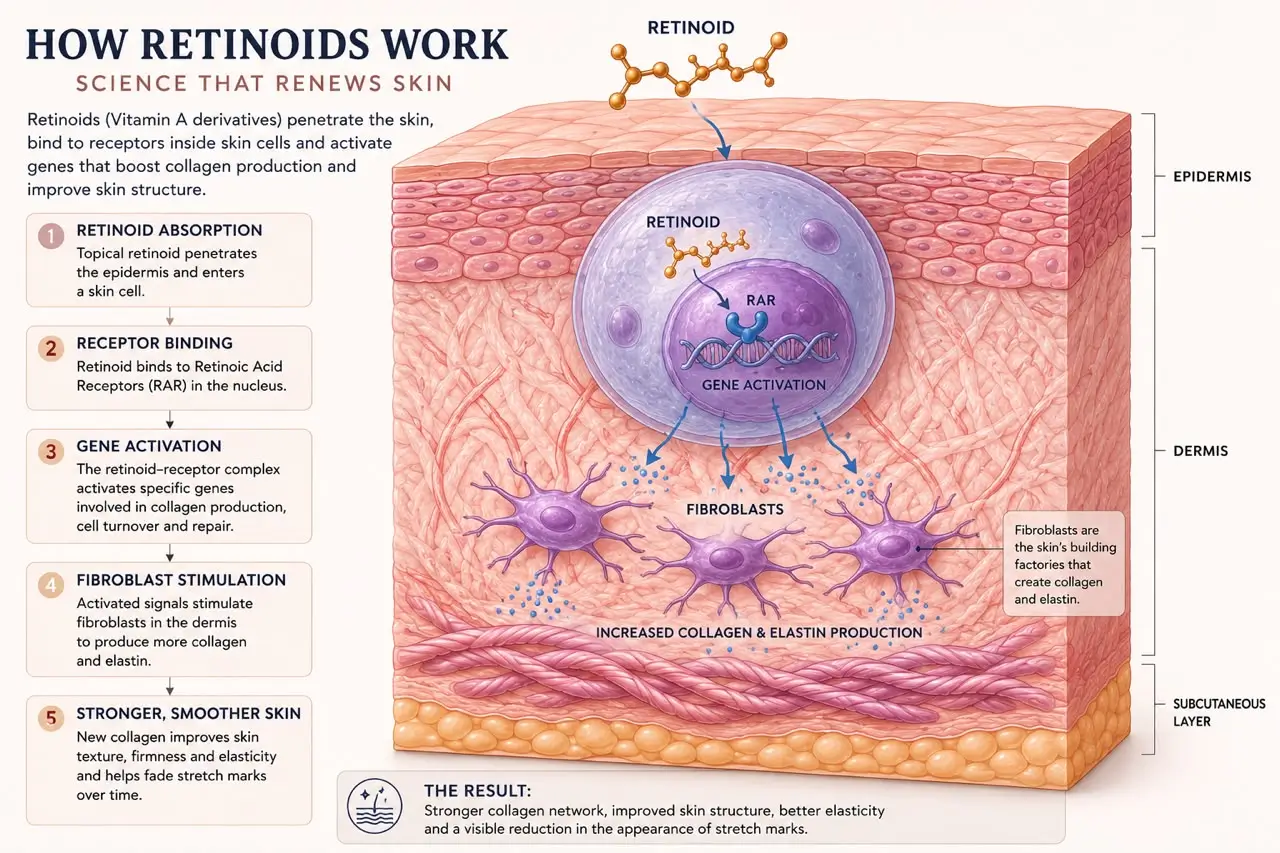
Retinoids are vitamin A derivatives, and they represent the most evidence-backed topical treatment category for stretch marks available without a clinical procedure. Retinoids bind to nuclear receptors in skin cells, increasing the cell turnover rate and stimulating fibroblasts to produce new collagen and remodel existing collagen in the dermis. This mechanism is particularly relevant to stretch marks: it addresses the disordered collagen laid down during healing and encourages remodelling toward a more normal pattern over time.
Tretinoin is prescription-only and has the strongest evidence. Multiple clinical studies have demonstrated that consistent use over 3–6 months can reduce the length and width of red stretch marks and improve their pigmentation and texture. The Mayo Clinic includes tretinoin among the treatments with the best topical evidence.
Retinol works through the same mechanism but must first be converted to retinoic acid by enzymes in the skin, making it slower and less potent. It is a worthwhile ingredient in a stretch mark routine and more accessible than prescription tretinoin for most people.
Retinoids work best on red and early stretch marks. Evidence for meaningful improvement of white stretch marks from retinoids alone is more limited. Consistent daily application over a minimum of 3–6 months is needed to see results. Initial skin irritation, dryness, redness, and peeling are common when starting retinoids. Begin with every-other-day application and build up gradually. Retinoids increase photosensitivity; apply in the evening and use SPF during the day.
All retinoids, including retinol, tretinoin, retinaldehyde, retinyl palmitate, and all other vitamin A derivatives, must be avoided during pregnancy and breastfeeding. This is a firm clinical recommendation, not a precaution. Vitamin A in excess is teratogenic and carries a risk of developmental harm. If you are pregnant or breastfeeding, stop using any retinoid-containing product immediately and switch to a pregnancy-safe alternative. Return to retinoid treatment only after breastfeeding is complete, with your doctor’s confirmation.
Chemical Peels
Chemical peels use acids, such as glycolic acid, lactic acid, or trichloroacetic acid (TCA), to exfoliate the outer skin layers and stimulate collagen production in the dermis beneath. As a standalone treatment for stretch marks, the evidence is limited. Surface exfoliation alone does not penetrate to the dermis, where stretch marks are anchored. However, light and medium peels can improve overall skin texture and tone, and TCA applied directly to stretch marks in a technique called TCA cross has some evidence for improving the appearance of white stretch marks specifically.
Dermatologists sometimes use chemical peels as part of a combination approach rather than as a primary treatment in isolation. If you are interested in peels for stretch marks, a dermatology consultation will help determine whether they are an appropriate component of your treatment plan.
Microneedling
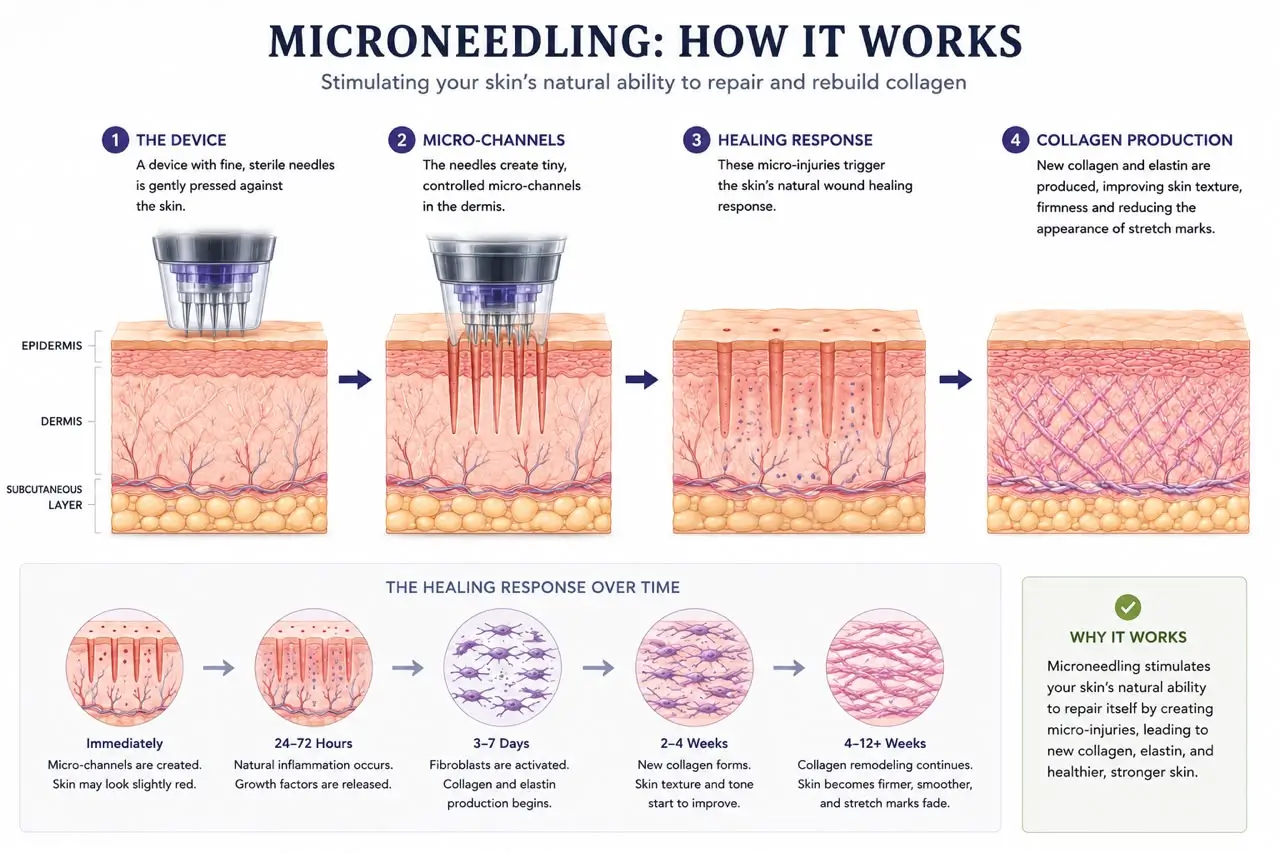
Microneedling, also called collagen induction therapy, is one of the most evidence-supported and versatile clinical treatments for stretch marks, with a growing body of peer-reviewed research. A device with fine needles creates thousands of controlled micro-injuries in the dermis. This triggers the skin’s natural wound-healing response, stimulating fibroblasts to produce new collagen and elastin in the treated area. Over a series of sessions, the remodelled tissue improves in texture, reduces in depth, and shows colour shifts.
Multiple studies have demonstrated that microneedling produces measurable improvement in both red and white stretch marks. A key advantage over some laser treatments is that microneedling shows meaningful results for both mark stages; white marks respond better to microneedling than to many other treatments. A systematic review referenced in dermatology literature supports its use as an effective option, particularly when combined with topical treatments applied immediately after the session when the skin is maximally receptive to absorption. Each session causes temporary redness and skin sensitivity for 1–3 days. Multiple sessions are typically required, usually 4–6, spaced 4–6 weeks apart. Results develop progressively as new collagen matures, with peak improvement typically visible 3–6 months after the final session.
Microneedling is generally considered safer across a wider range of skin tones than ablative laser treatments, which carry a higher risk of pigmentation changes in darker skin. For people with deeper skin tones who are concerned about this risk, microneedling is often the better-evidenced clinical starting point.
Radiofrequency Microneedling
Radiofrequency (RF) microneedling combines the mechanical collagen stimulus of standard microneedling with the thermal energy of radiofrequency waves, which heat the deeper dermis and trigger additional collagen and elastin production. The thermal energy from RF penetrates more deeply than mechanical needling alone, stimulating collagen remodelling at a greater tissue depth. Some studies comparing RF microneedling to standard microneedling for stretch marks have found superior outcomes in texture and colour improvement with the RF combination.
Growing. Multiple studies support its use for stretch marks, including white marks. It is increasingly offered in dermatology clinics as a more effective alternative to standard microneedling for patients seeking stronger results. Higher cost than standard microneedling. Not widely available in all locations. Requires practitioner experience. Not suitable during pregnancy.
Laser Therapy
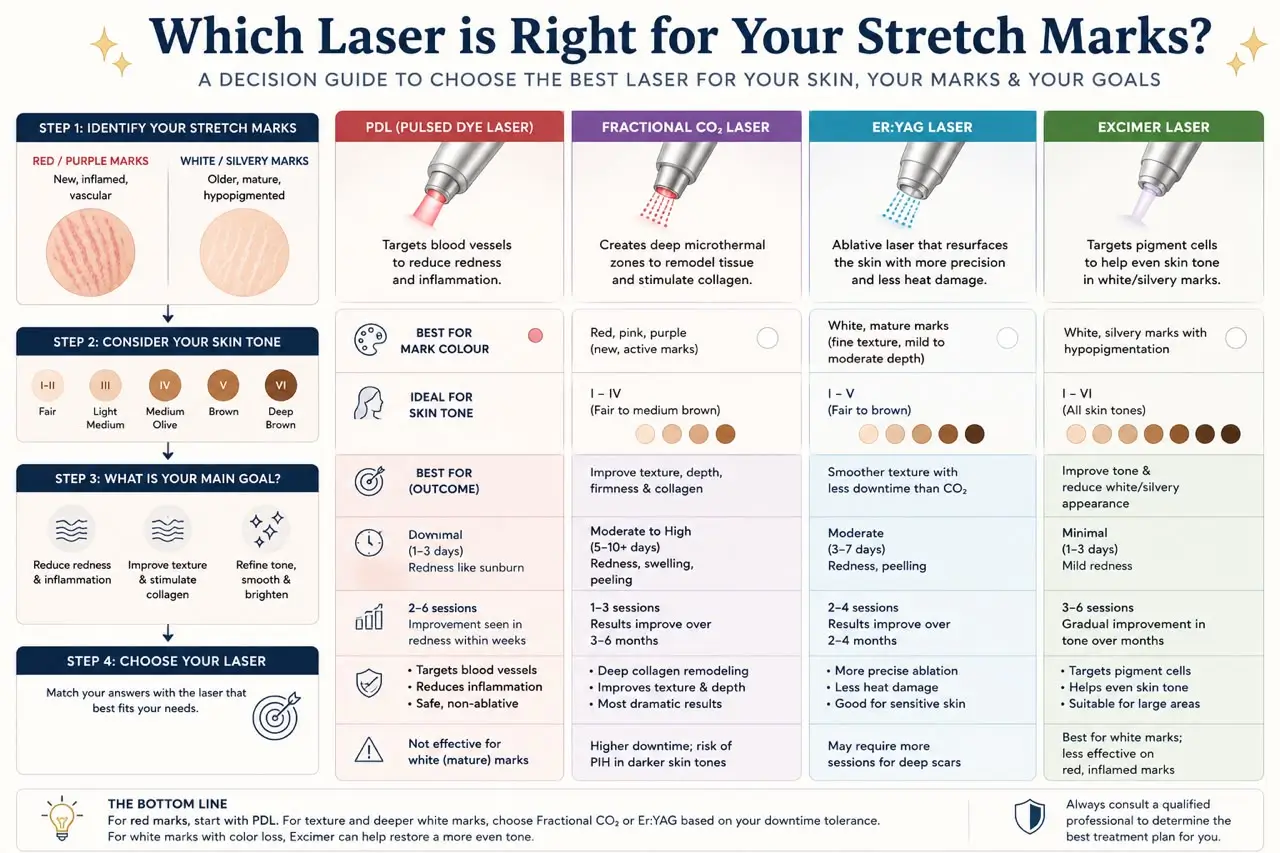
Laser therapy is one of the most clinically validated approaches to stretch mark treatment, with multiple peer-reviewed studies supporting its effectiveness, particularly for improving colour and texture. Different laser types target different aspects of stretch marks, so choosing the right one for your specific marks is important.
- Pulsed Dye Laser (PDL)
PDL targets the oxyhaemoglobin in the active blood vessels of red marks, selectively reducing redness and stimulating some collagen remodelling. It is particularly well-matched to the biology of early stretch marks. Results include colour reduction and texture improvement. Less effective on white marks, which lack active vessels to target.
- Fractional CO₂ Laser
Fractional CO₂ is currently the most powerful tool available for mature white stretch marks. It creates microscopic columns of controlled ablation within the dermis, triggering significant collagen remodelling. Multiple studies have shown meaningful improvements in texture, depth, and colour for both mark stages. 3–7 days of redness and skin sensitivity per session. Multiple sessions required (typically 3–5). Higher risk of post-inflammatory hyperpigmentation or hypopigmentation in darker skin tones. Always consult a practitioner with specific experience in your skin type. Patch testing is advisable.
- Fractional Er:YAG Laser
The Er:YAG laser is less aggressive than CO₂ but has a shorter recovery time. It produces good texture improvement and is considered somewhat safer for darker skin tones than CO₂, though care is still required. Good option for those who want meaningful results with shorter downtime.
- Excimer Laser
The excimer laser can stimulate melanocytes in and around white stretch marks to produce more pigment, reducing the colour contrast between marks and surrounding skin. Particularly useful for stretch marks on deeper skin tones where colour contrast is the primary concern. For those with significant stretch marks who want the best possible clinical improvement, laser, particularly fractional CO₂ or pulsed dye laser for appropriate mark types, represents one of the most effective options currently available. The investment in sessions is significant, but the results, when performed by a qualified practitioner, are typically more pronounced than any topical approach.
The Cleveland Clinic identifies fractional laser as among the most effective professional treatments for stretch marks, with fractional CO₂ offering the strongest outcomes for various stages.
Platelet-Rich Plasma (PRP)
Platelet-rich plasma involves drawing a small amount of the patient’s own blood, concentrating the platelets (which contain growth factors that stimulate tissue repair), and injecting or applying this concentrated plasma to the stretch mark area. The growth factors in PRP, including VEGF, PDGF, and TGF-β, stimulate fibroblast activity, collagen production, and angiogenesis (formation of new blood vessels) in the treated tissue. These are exactly the mechanisms relevant to stretch mark remodelling. Studies on PRP for stretch marks show promising results, particularly when combined with microneedling; the micro-channels created by needling improve PRP absorption. A number of small clinical trials have found that PRP combined with microneedling outperforms microneedling alone. However, studies are small, heterogeneous in methodology, and independent large-scale trials are limited.
PRP is an interesting emerging option, particularly as an adjunct to microneedling. At this stage, it is best considered a complementary approach rather than a standalone first-line treatment. Dermatologists using it in combination with other treatments report good outcomes, but the evidence base is not yet as strong as for laser or established microneedling protocols.
Combination Treatments
Experienced dermatologists rarely rely on a single modality for stretch mark treatment. The most effective clinical approaches typically combine several treatments that address different aspects of the stretch mark simultaneously.
Common combinations:
- Microneedling + topical retinoid (post-session): The micro-channels created by needling dramatically improve retinoid penetration into the dermis, potentially amplifying the collagen-stimulating effect of both.
- Pulsed dye laser + fractional laser: PDL addresses colour in early marks while fractional laser addresses texture in both stages.
- RF microneedling + topical hyaluronic acid: The RF treatment stimulates deep collagen remodelling while hyaluronic acid applied post-session takes advantage of enhanced skin receptivity.
- Laser + PRP: Some clinics apply PRP immediately after laser treatment, using the laser-induced inflammation to drive PRP growth factors into the dermis.
Treatments During Pregnancy
Pregnancy is the period when stretch marks are most commonly treated preventively, and it is also the period requiring the most careful ingredient selection.
- Consistent moisturising, daily application of a moisturising cream to stretch-prone areas from the first trimester
- Body oils: avocado oil, almond oil, shea butter, cocoa butter
- Hyaluronic acid safe and effective; a top choice for pregnancy skincare
- Centella asiatica has been studied specifically in pregnancy contexts and is generally considered safe; check with your midwife
- Peptides generally considered safe
- Vitamin E safe in cosmetic concentrations
- Gentle daily massage supports circulation and lymphatic flow; safe in a healthy pregnancy with the appropriate technique
Avoid during pregnancy and breastfeeding:
- All retinoids, retinol, tretinoin, retinaldehyde, retinyl palmitate, and all other vitamin A derivatives. No exceptions.
- High-strength acids and concentrated chemical peels are not appropriate during pregnancy
- Laser, microneedling, and RF treatments, all clinical procedures, should be deferred until after breastfeeding is complete
- PRP: defer until post-pregnancy
The NHS advises pregnant women to check with their midwife before introducing any new skincare product, and to avoid vitamin A derivatives in all forms.
See our comprehensive guide on Stretch Marks During Pregnancy: Prevention and Safe Treatment Options.
Choosing the Right Treatment for Your Situation
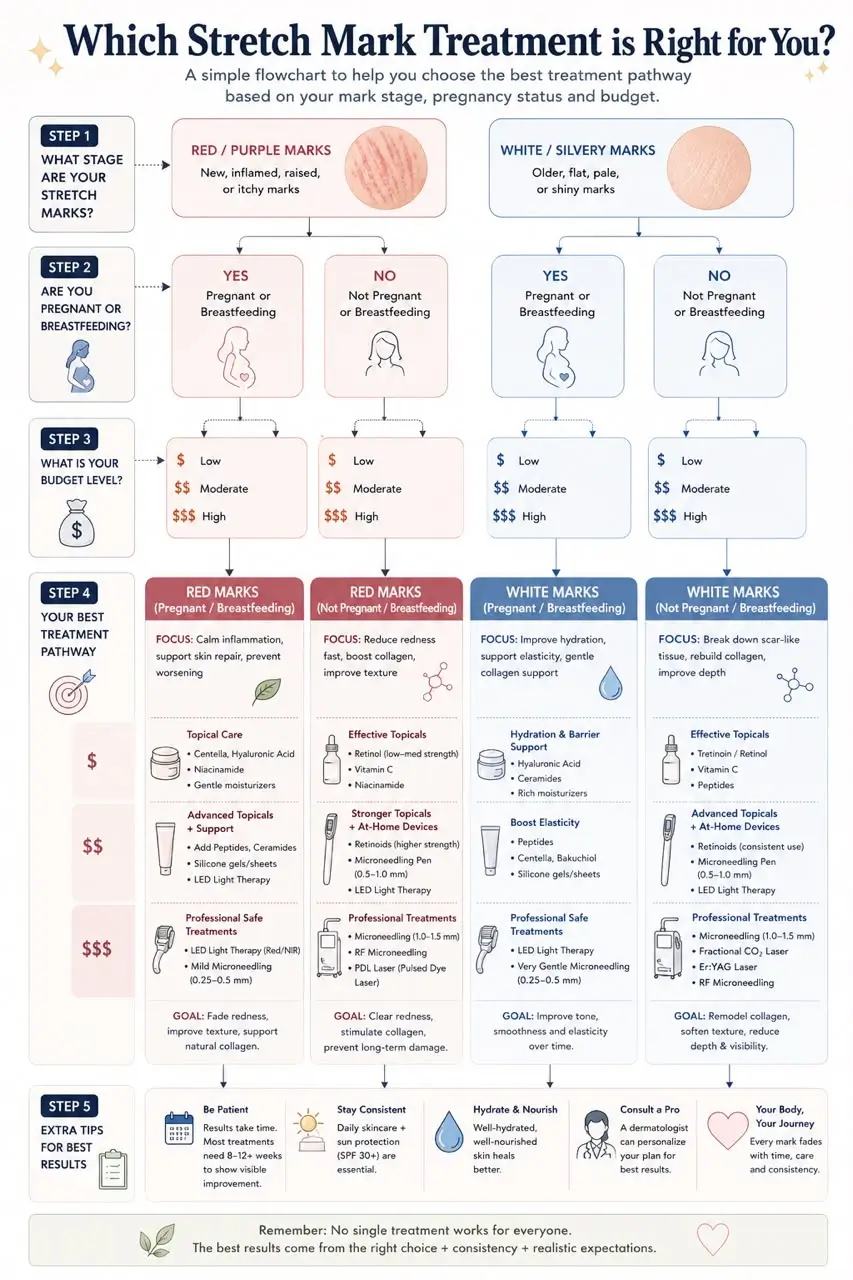
New Red Stretch Marks
Begin treating as soon as marks appear; the tissue is at its most responsive. Daily moisturiser with hyaluronic acid and Centella asiatica. If not pregnant, begin using a retinol-containing cream every evening. Consistent daily massage with a nourishing body oil.
Old White Stretch Marks
Daily moisturising maintains skin health but is unlikely to produce a dramatic visible change. Topical retinol may produce some gradual improvement over 6+ months. Use Fractional CO₂ laser (most effective); RF microneedling; microneedling with PRP; excimer laser (for pigmentation contrast in deeper skin tones). Multiple sessions required; results are real but more modest than for red marks; complete removal is not achievable.
During Pregnancy
Hyaluronic acid, Centella asiatica, shea butter, body oils, gentle daily massage. Start from the first trimester. Avoid all retinoids. Defer all clinical procedures until after breastfeeding is complete.
Budget-Friendly Options
Daily consistent moisturising with a cream containing hyaluronic acid, Centella asiatica, and retinol (if not pregnant). Supplement with a nourishing body oil for daily massage. These do not replicate clinical results, but used consistently over months, they produce real improvement, particularly for red marks treated early.
Professional Treatments
For those seeking the most significant possible improvement, a dermatology consultation is the most valuable first step. A qualified dermatologist can assess the specific characteristics of your marks, stage, severity, skin type, and skin tone, and recommend the most appropriate combination approach for your individual situation.
When to See a Dermatologist
Most stretch marks can be managed at home with consistent topical care. But there are situations where professional assessment is genuinely valuable.
See a dermatologist if:
- You want to explore clinical treatment options, such as laser, microneedling, and prescription retinoids
- Your stretch marks are causing significant emotional distress or affecting your quality of life
- Stretch marks appeared suddenly and without an obvious physical cause
- You have widespread stretch marks alongside other unexplained symptoms, possible hormonal condition
- You are on long-term corticosteroid therapy and want skin care advice
- You have tried consistent topical treatment for 3–6 months without satisfactory results
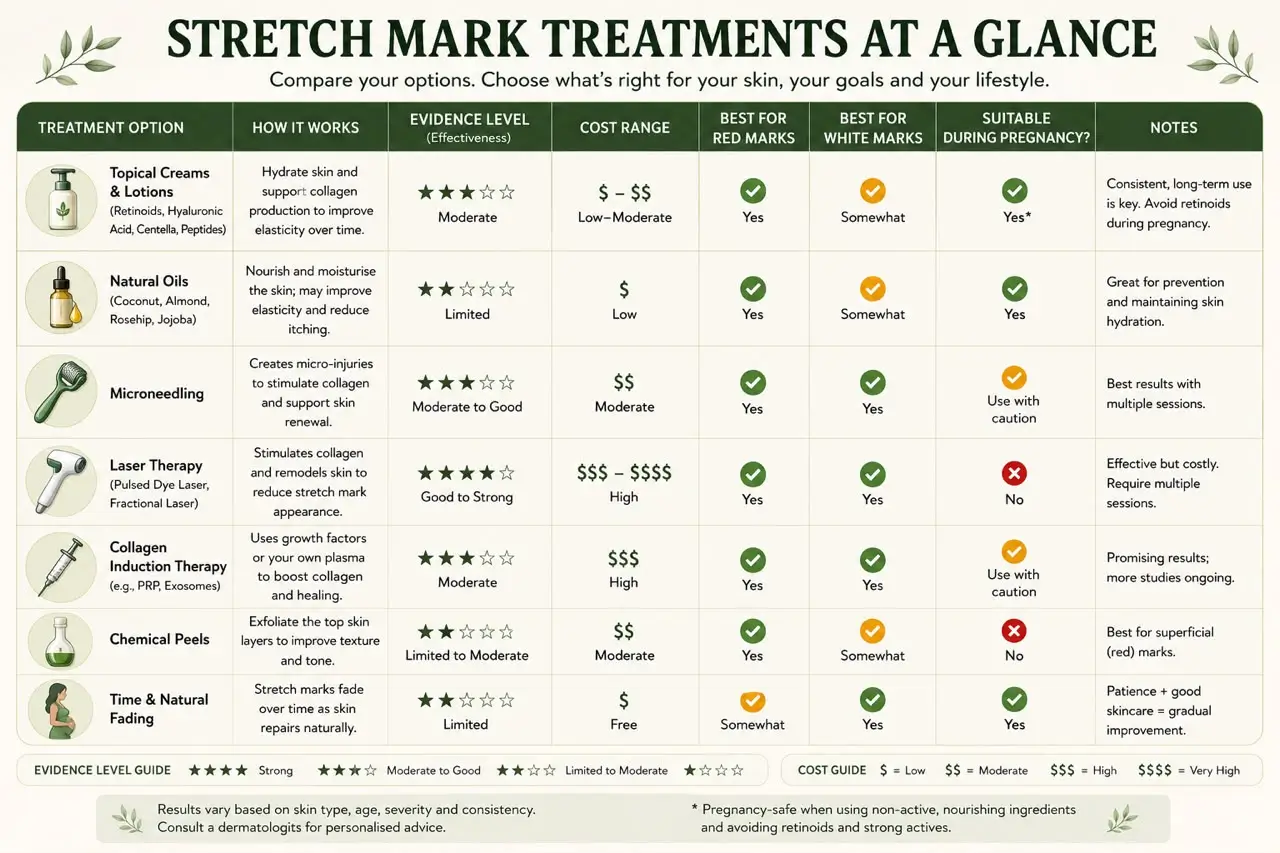
Treatment Comparison Table
| Treatment | Evidence Level | Best For | Pregnancy Safe | Typical Cost | Sessions Needed |
|---|---|---|---|---|---|
| Moisturisers/creams | Moderate | All stages (skin health) | Yes (check ingredients) | Low | Daily, ongoing |
| Retinol cream | Moderate–Strong | Red marks | No | Low–Moderate | Daily, 3–6 months |
| Prescription tretinoin | Strong | Red marks | No | Moderate (with consult) | Daily, 3–6 months |
| Body oils + massage | Limited–Moderate | Prevention, all stages | Yes | Low | Daily, ongoing |
| Chemical peels | Limited | Surface texture | No | Moderate | 3–6 sessions |
| Microneedling | Moderate–Strong | Red and white marks | No | Moderate | 4–6 sessions |
| RF microneedling | Moderate | Red and white marks | No | Moderate–High | 3–5 sessions |
| Pulsed dye laser | Strong (red marks) | Red/early marks | No | High | 3–5 sessions |
| Fractional CO₂ laser | Strong | Red and white marks | No | High | 3–5 sessions |
| Fractional Er:YAG | Moderate–Strong | Texture improvement | No | High | 3–5 sessions |
| Excimer laser | Moderate | Pigmentation (white marks) | No | High | Multiple |
| PRP (combined) | Limited–Moderate | Combination approach | No | High | Multiple |
Key Takeaways
- No treatment completely removes stretch marks. Significant, lasting improvement in colour, texture, and visibility is achievable.
- Timing is the most important factor. Red stretch marks respond best and most quickly to treatment. Start as early as possible.
- Topical creams with retinoids (not during pregnancy), hyaluronic acid, and Centella asiatica have the strongest evidence among home treatments.
- Clinical treatments, particularly microneedling, RF microneedling, and fractional laser, produce more significant improvement than topical care alone, especially for white marks.
- Avoid all retinoids during pregnancy and breastfeeding. No exceptions.
- Combination approaches, multiple treatments addressing different aspects simultaneously, typically produce better outcomes than any single modality.
- Consistency in home care and realistic expectations about timelines matter as much as the specific treatment chosen.
- A dermatologist consultation is the most valuable step for anyone wanting clinical treatment or who is uncertain which approach suits their marks.
Conclusion
Stretch mark treatment is genuinely possible, and the available options have improved significantly over the past decade. Topical treatments, when chosen for their active ingredients and used consistently, can meaningfully improve newer marks. Clinical procedures, particularly fractional laser and microneedling, produce results that no cream can replicate, especially for older white marks. What remains constant across all of this is the need for realistic expectations.
Choose your approach based on the age and stage of your marks, your pregnancy status, your skin type, and your goals. If you are unsure, start with a consistent evidence-based home care routine and consult a dermatologist when you are ready to explore clinical options. Stretch marks are permanent in the sense that the original tissue is altered. They are not permanent in the sense that their appearance cannot be significantly improved.
How to Prevent Stretch Marks Before They Appear → Red Stretch Marks vs White Stretch Marks Understanding Your Marks → Stretch Marks on Thighs, Breasts, Arms and Buttocks → Stretch Marks During Pregnancy → Do Stretch Mark Creams Really Work? → Best Oils for Stretch Marks