

How to Get Rid of Dark Spots on Face Fast: Proven Ingredients, Routines, and Treatments
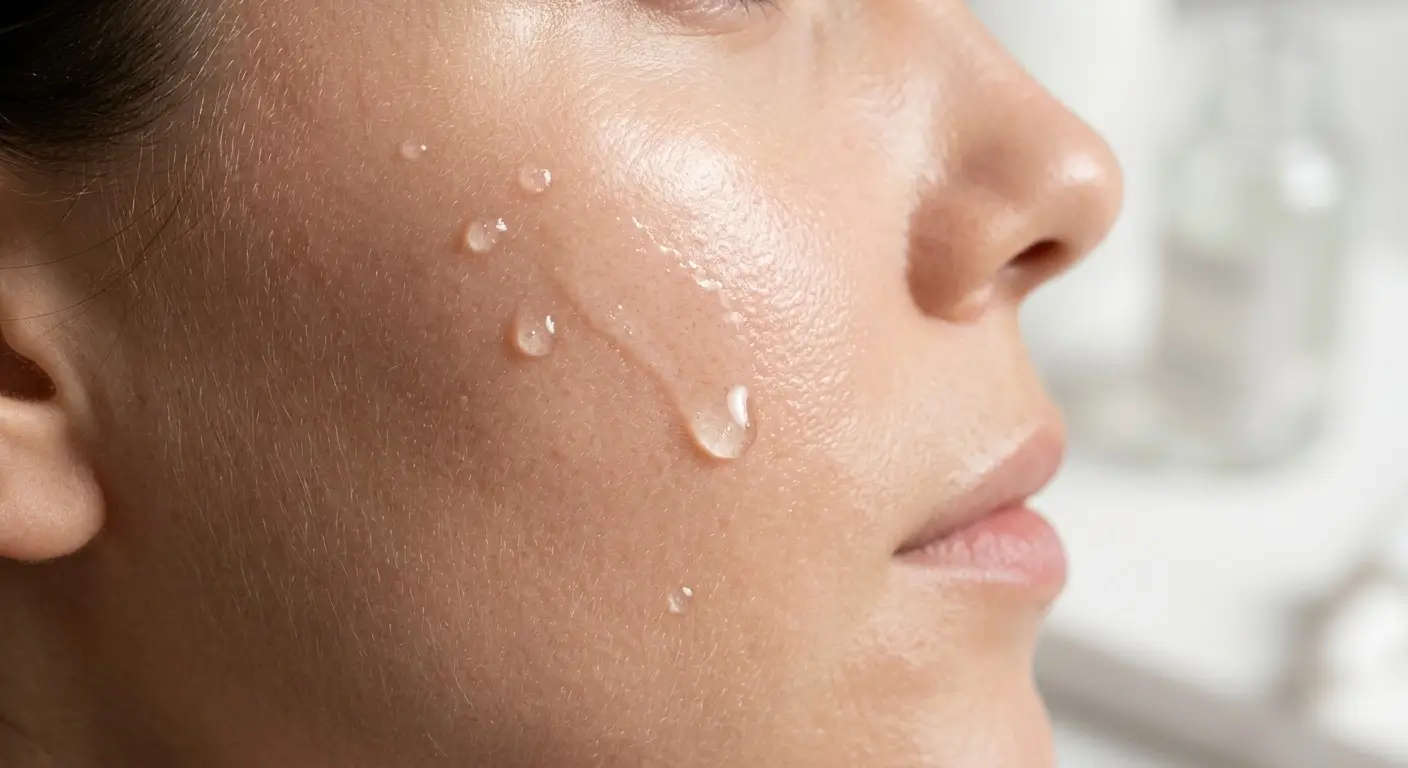
Dark spots are not a life sentence. With the right ingredients, the right routine, and a little patience, clear and even skin is absolutely possible, regardless of your skin tone. Before you can treat dark spots effectively, you need to understand what you are actually dealing with. The medical term is hyperpigmentation, an overproduction of melanin, the pigment that gives your skin its colour.
Here is what triggers it:
- Post-Inflammatory Hyperpigmentation (PIH): The most common type, especially in women with deeper skin tones. When skin experiences inflammation from acne, eczema, a cut, or even aggressive skincare, melanocytes (the cells that produce melanin) go into overdrive as part of the healing response. The result is a dark mark left behind long after the wound heals. The darker your natural skin tone, the more pronounced PIH tends to be.
- Sun Damage (Solar Lentigines): UV exposure is one of the primary triggers for dark spots, and one of the most underestimated. Ultraviolet rays stimulate melanin production as a protective response. Over time and with repeated sun exposure, this leads to flat, darkened patches, especially on the cheeks, forehead, and nose. And for melanin-rich skin, existing spots become significantly darker with sun exposure.
- Hormonal Changes (Melasma): Melasma appears as symmetrical dark patches, typically across the forehead, upper lip, and cheeks. It is closely linked to hormonal fluctuations, which is why it disproportionately affects women during pregnancy, while on hormonal contraceptives, or during perimenopause. Sun exposure makes it significantly worse.
- Skin Trauma and Friction: Harsh scrubbing, picking at spots, or using products that irritate the skin can all trigger PIH. Even friction from tight clothing or repeated face touching can cause localised hyperpigmentation over time.
Proven Ways to Get Rid of Dark Spots Fast
- Use Targeted Brightening Actives Daily
Ingredients such as vitamin C, niacinamide, alpha arbutin, and kojic acid directly inhibit melanin production. Used consistently, they visibly fade spots in as little as four to six weeks. We will cover each in detail in the next section. - Wear SPF Every Single Day
This is non-negotiable. UV exposure does not just create new dark spots; it actively darkens existing ones and cancels out the brightening work of every other product in your routine. Even on cloudy days, UVA rays penetrate through glass and cloud cover. SPF 30 minimum, broad-spectrum, every morning. - Exfoliate Gently and Strategically
Chemical exfoliants, specifically AHAs (like glycolic and lactic acid) and BHAs (like salicylic acid), help speed up the skin’s natural cell turnover. This pushes pigmented cells to the surface faster, revealing fresh, more evenly toned skin beneath. Two to three times per week is enough; over-exfoliation worsens hyperpigmentation. - Layer Products in the Right Order
Brightening actives work best when they reach the deeper layers of the skin unobstructed. Always apply your thinnest, most active products (serums) before heavier creams, and always finish with SPF. Order matters as much as the products themselves.
“For dark spots on melanin-rich skin, avoid harsh physical scrubs, the friction can actually trigger more hyperpigmentation. Choose chemical exfoliants instead: gentler on skin, smarter at targeting pigment.”
Best Ingredients That Fade Dark Spots
Vitamin C (Ascorbic Acid)
The gold standard for brightening. Vitamin C inhibits tyrosinase, the enzyme responsible for melanin production, while simultaneously acting as a potent antioxidant. It fades existing spots and prevents new ones triggered by UV and pollution. L-ascorbic acid is the most active form, best used in concentrations of 10–20%. It works synergistically with SPF for maximum protection.
Niacinamide (Vitamin B3)
One of the most well-researched and skin-friendly brighteners available. Niacinamide works by inhibiting melanin transfer to the skin’s surface cells, slowing the journey of pigment to where it becomes visible. At 5–10%, it visibly reduces dark spots within four to eight weeks while also strengthening the skin barrier, minimising pores, and reducing inflammation. Excellent for all skin types, especially sensitive skin.
Alpha Arbutin
A gentle, highly effective melanin inhibitor derived from the bearberry plant. Alpha arbutin works similarly to Vitamin C (tyrosinase inhibition) but is significantly more stable and tolerated even by sensitive and reactive skin. It is particularly favoured for dark skin tones because it brightens without risking rebound hyperpigmentation, a risk associated with older ingredients like hydroquinone.
Kojic Acid
Derived from fermented rice, kojic acid is a powerful brightener that inhibits melanin production and has antifungal and antioxidant properties. It is especially effective for stubborn dark spots and melasma, and it works well layered with niacinamide. Some people with sensitive skin may experience mild irritation, so patch testing is recommended.
AHAs, Glycolic & Lactic Acid
Alpha hydroxy acids accelerate cell turnover, helping to shed pigmented surface cells faster. Glycolic acid (smaller molecule, deeper penetration) is more potent and faster-acting. Lactic acid is gentler and also deeply hydrating, better for dry or sensitive skin. Both help reveal brighter, more even skin over time and improve the absorption of other brightening actives.
Retinol (Vitamin A)
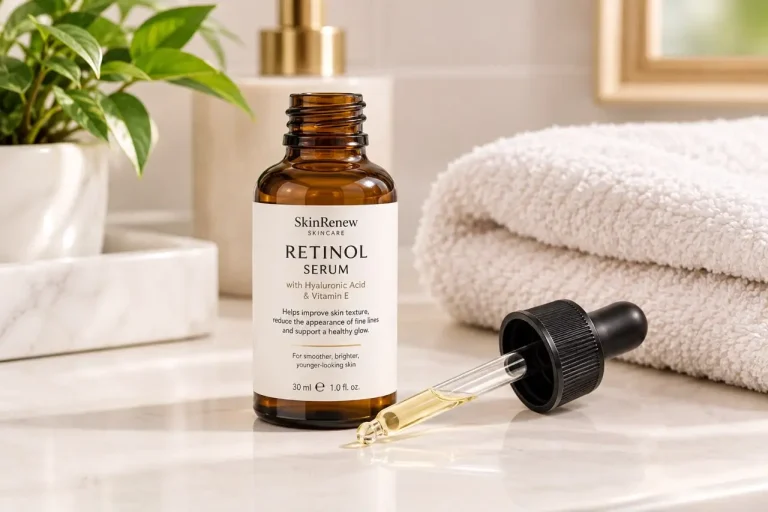
A dermatologist’s favourite for a reason. Retinol speeds up cell turnover at a deeper level than AHAs, gradually replacing pigmented cells with fresh ones. It also stimulates collagen, improving skin texture alongside tone. Start at 0.25–0.5% and use only at night; retinol makes skin more photosensitive, which is why pairing it with rigorous morning SPF is essential.
“Do not try to use all of these at once. Build your routine around one or two core brighteners, ideally Vitamin C in the morning and niacinamide or retinol at night. Add others gradually as your skin adjusts.”
Step-by-Step Morning Skincare Routine for Glowing Skin
- Gentle Cleanser: Start clean without stripping. Use a mild, sulphate-free formula that respects your skin barrier. Avoid anything that leaves your skin feeling tight, which is a sign of barrier damage, and it worsens hyperpigmentation.
- Toner or Essence: Rebalance your skin’s pH and prep it to absorb actives more deeply. Look for hydrating, alcohol-free formulas with niacinamide or hyaluronic acid. Press gently into skin with clean palms.
- Vitamin C Serum: This is your glow step. Apply 2–3 drops of a Vitamin C serum and press gently into face and neck. Give it 60 seconds to absorb fully before moving on. This is where active brightening happens, and it also boosts your SPF’s protective power.
- Lightweight Moisturiser: Hydration locks in your actives and strengthens the skin barrier. Choose a non-comedogenic formula suited to your skin type. Gel-creams work well for oily skin; richer creams for dry skin.
- Broad-Spectrum Sunscreen (SPF 30–50): Always the final step. No other step in this routine matters as much if you skip SPF. UV exposure darkens existing spots and creates new ones. Daily protection is the single most impactful thing you can do for hyperpigmentation.
“Reapply your SPF every two hours if you are spending time outdoors. Carry a mineral powder SPF for easy reapplication over makeup. This one habit can reduce the appearance of new dark spots by up to 80%.”
Mistakes That Make Dark Spots Worse
- ⚠ Picking and popping spots: Every time you pick a pimple or scratch at a dark mark, you trigger fresh inflammation, which creates more PIH. Hands off, always.
- ⚠ Skipping SPF on cloudy days or indoors: UVA rays penetrate clouds and glass. If you work near a window, you are getting UV exposure without realising it. Wear SPF every morning, no exceptions.
- ⚠ Over-exfoliating: More scrubbing does not mean faster results. Exfoliating more than three times per week with active AHAs or BHAs damages your skin barrier, causes rebound inflammation, and worsens hyperpigmentation, especially on deeper skin tones.
- ⚠ Using too many actives at once: Layering multiple brightening actives without allowing your skin to adjust leads to irritation and sensitivity. This triggers the very inflammation that causes dark spots. Introduce one new active at a time, give it two to four weeks, then assess.
- ⚠ Expecting instant results: Hyperpigmentation forms deep in the skin and takes time to surface. Most evidence-based treatments require four to twelve weeks of consistent use before you see significant results. Impatience leads to product-hopping, which resets your progress every time.
Recommended Products
STEP 1: Brightening Gentle Cleanser Novage+ Refresh Gel Cleanser
STEP 2: Hydrating Toner / Essence Optimals Soothing Micellar Cleansing Water
STEP 3: Vitamin C Brightening Serum Opt Optimals Even Out Serum
STEP 4: Lightweight Brightening Moisturiser Opt Optimals Even Out Light Cream
STEP 5: Broad-Spectrum Sunscreen SPF 30–50 Novage+ Proceuticals Ultra Light UV-Age Day Shield + SPF 50
If you’re not sure which products are right for your skin type? Your results will depend heavily on whether you have oily, dry, combination, or sensitive skin. Using the wrong products can actually worsen dark spots instead of fading them. Take a quick Skin Test to know your exact skin type and get personalised product recommendations made for your skin needs instantly.
Conclusion:
Learning how to get rid of dark spots on the face fast is really about learning how to work with your skin, not against it. It requires the right ingredients, the right order, real consistency, and non-negotiable daily sun protection. If you are dealing with hyperpigmentation on melanin-rich skin, know this: your skin responds beautifully to the right care. You just need a routine built for your actual biology, not a generic regimen that was never designed with your skin tone in mind. Start with a gentle cleanser, build in a serum, moisturise consistently, and wear your SPF every single day. Add niacinamide if you want an extra brightening boost. Give it eight weeks of honest, consistent effort. The results will speak for themselves.
“Consistency is the most powerful brightening ingredient that exists, and it costs nothing but time.”
There are several effective treatments for hyperpigmentation and dark spots, including topical ingredients like niacinamide, exfoliating acids, and professional procedures for stubborn pigmentation. Clinical insights from dermatology research on hyperpigmentation treatment show that combining multiple approaches, including topical care and sun protection, delivers the best results.