

Bilberry Extract Benefits: Science, Eye Health & Daily Dosage
Bilberry is a small, intensely pigmented berry native to Northern and Central Europe. It’s a close relative of the blueberry but typically darker, smaller, and with higher concentrations of the antioxidant compounds that give it its therapeutic relevance. The extract used in supplements is concentrated from the ripe berries and standardized to contain a specific percentage of anthocyanins, the flavonoid pigments responsible for bilberry’s deep blue-purple colour and its primary health-supporting activity.
For a complete introduction to what bilberry extract is, where it comes from, and how it differs from blueberry, see our article on what is bilberry extract and how it works.
Bilberry Extract Benefits
- Powerful Antioxidant Protection
This is the foundation of everything bilberry does in the body. Its anthocyanin content makes it one of the most potent plant-based antioxidant sources studied in nutritional science. Free radicals, unstable molecules produced by UV exposure, air pollution, stress, exercise, and normal metabolic processes, damage cells, proteins, and DNA. This oxidative damage accumulates over time and is a significant driver of accelerated ageing, inflammation, and many of the chronic conditions that become more prevalent with age.
Bilberry anthocyanins neutralise free radicals through several mechanisms:
- Direct free radical scavenging: Anthocyanins donate electrons to unstable free radicals, neutralising them before they cause cellular damage.
- Enzyme activation: Bilberry supports the activity of the body’s own antioxidant enzymes, including superoxide dismutase (SOD) and glutathione peroxidase, as research from the National Library of Medicine confirms.
- Anti-inflammatory signalling: Anthocyanins inhibit key pro-inflammatory pathways, including NF-κB, reducing the inflammatory cascade that both generates and responds to oxidative stress.
Bilberry anthocyanins are distributed systemically, reaching the eyes, skin, brain, vascular walls, and other tissues where oxidative protection is needed.
- Support for Eye Health
This is where the evidence for bilberry is most consistent, most studied, and most immediately practical for most people.
Digital eye fatigue: Multiple clinical trials have demonstrated that bilberry extract supplements significantly reduce the symptoms of digital eye strain, including tired eyes, dryness, blurred focus, and general eye discomfort associated with extended screen use. In one well-cited Japanese trial, participants taking bilberry extract showed significantly lower eye fatigue scores than the placebo group after just four weeks of daily supplements.
Night vision and dark adaptation: Several studies have found that bilberry supports the eye’s ability to adapt from bright to dim light, a function dependent on the rapid regeneration of rhodopsin, the light-sensitive pigment in rod photoreceptors. While results across studies vary, the mechanistic basis is sound.
Retinal protection: Bilberry anthocyanins accumulate in retinal tissue, where they provide direct antioxidant defence to photoreceptors and the retinal pigment epithelium, the cells responsible for maintaining photoreceptor health and clearing cellular debris. This accumulation gives bilberry a relevance for long-term retinal health that most oral antioxidants cannot claim.
Capillary integrity in the retina: The retina relies on an exceptionally dense network of tiny blood vessels for its oxygen and nutrient supply. Bilberry anthocyanins strengthen the walls of these capillaries, reducing permeability and supporting the consistent blood flow the retina requires.
- Support for Skin Health
Bilberry’s skin benefits operate through the same core mechanisms, antioxidant protection, anti-inflammatory effects, and vascular support, but applied to the specific biology of the skin.
Collagen and elastin protection: Bilberry has demonstrated inhibitory effects on collagenase and elastase, the enzymes that break down collagen and elastin, respectively. By slowing the enzymatic degradation of these structural proteins, bilberry helps maintain skin firmness and elasticity over time.
Reduced UV and oxidative skin damage: When taken as a supplement, bilberry anthocyanins reach skin cells through circulation and provide internal antioxidant protection that topical products can’t replicate at the cellular level. This includes protection against UV-induced DNA damage and oxidative membrane damage in skin cells.
Improved skin microcirculation: Skin that is well-supplied by healthy capillaries looks healthier, more evenly toned, more luminous, and with better capacity for repair and renewal. Bilberry’s vascular protective effects translate into improved delivery of nutrients and oxygen to the dermal layers, where skin is built.
Reduced inflammatory skin responses: Acne, redness, sensitivity, and reactive skin all have inflammatory drivers. Bilberry’s systemic anti-inflammatory properties create a less reactive cellular environment that benefits skin tone and texture over consistent supplementation.
- Healthy Blood Circulation
Bilberry’s vascular benefits extend beyond the eyes and skin to the broader circulatory system. Anthocyanins have demonstrated specific protective effects on endothelial cells, the cells lining the inner walls of blood vessels, that are fundamental to healthy vascular function.
Research has found associations between bilberry supplements and:
- Improved endothelial function, the ability of vessels to dilate appropriately in response to blood flow demands
- Reduced capillary fragility and permeability
- Mild antiplatelet effects that support healthy blood flow
- Modest improvements in blood pressure markers in some studies
- Brain and Cognitive Support
Bilberry anthocyanins can cross the blood-brain barrier, reaching neural tissue directly and providing antioxidant and anti-inflammatory protection within the brain. Animal studies have consistently found improvements in memory, learning, and cognitive performance with anthocyanin supplements. Human evidence is more limited but growing, particularly for older adults. Several population studies have found associations between higher flavonoid and anthocyanin intake and better cognitive performance in older age.
The proposed mechanisms include:
- Direct antioxidant protection of neuronal membranes and synaptic structures
- Reduction of neuroinflammation, the chronic inflammatory activity within brain tissue linked to cognitive decline
- Support for neuroplasticity, the brain’s ability to form and maintain new neural connections
- Improved cerebrovascular circulation, ensuring adequate blood flow to brain regions involved in memory and executive function
This is an area where the evidence is encouraging rather than definitive; more research in humans is needed to fully characterise bilberry’s cognitive effects. But the mechanistic basis is well-established, and the dietary evidence is consistent, as research from the National Library of Medicine confirms.
- Healthy Ageing
Oxidative stress is one of the primary drivers of cellular ageing, the progressive accumulation of damage to cell membranes, proteins, mitochondria, and DNA that reduces organ function and increases the risk of age-related disease over time. Bilberry’s broad antioxidant and anti-inflammatory activity directly addresses this mechanism. Regular intake provides ongoing cellular maintenance, not a reversal of ageing, but a meaningful slowing of its most significant biological drivers.
Beyond the specific organ systems discussed above, bilberry also demonstrates:
- Protective effects on mitochondrial function, the cellular energy machinery that declines with age
- Anti-glycation activity, reducing the non-enzymatic cross-linking of proteins by glucose (glycation), which stiffens tissue throughout the body, including in skin and blood vessels
- Modulation of inflammatory pathways associated with age-related metabolic changes
- Daily Wellness Support
Bilberry’s combination of antioxidant, anti-inflammatory, and vascular-protective effects makes it relevant as a general daily wellness supplement for adults of any age, not just those managing a specific health concern. For people with high screen exposure, those concerned about maintaining skin quality, those interested in long-term cardiovascular health, and those who want a well-evidenced botanical antioxidant as part of a general wellness foundation, bilberry provides consistent, multi-system support that accumulates over sustained daily use.
Bilberry Benefits for Eye Health
- The Digital Eye Strain Problem
The average adult now spends 7–10 hours per day on screens, computers, phones, tablets, and televisions. This sustained near-focus work creates a specific pattern of eye fatigue that is distinct from general tiredness: the ciliary muscles responsible for maintaining focus become fatigued, tear film stability is reduced, and the sustained processing demand on the retina generates significant oxidative stress. Clinical trials on bilberry for digital eye fatigue. Bilberry addresses this through multiple mechanisms simultaneously, reducing the oxidative burden on retinal photoreceptors, supporting the capillary circulation that delivers nutrients to the retina during sustained visual work, and providing the anti-inflammatory support that reduces the reactive responses following high visual workload.
- Macular Health
The macula, the central area of the retina responsible for detailed, colour, and straight-ahead vision, is particularly vulnerable to oxidative damage. Age-related macular degeneration (AMD) is the leading cause of vision loss in adults over 50 in developed countries. While bilberry has not been proven to prevent or treat AMD, population studies consistently show that higher dietary anthocyanin intake is associated with lower AMD risk. The mechanistic evidence, retinal antioxidant accumulation, capillary protection, and anti-inflammatory signaling, provides a plausible basis for why this association exists.
Bilberry Benefits for Skin
- Why Internal Antioxidants Benefit Skin
Skin ageing happens from the outside in, UV, pollution, mechanical stress, and from the inside out, oxidative stress, collagen degradation, and reduced cellular repair. Skincare addresses the outside layer effectively. What it cannot do is reach the dermis through the bloodstream, protect cell membranes throughout the skin’s thickness, or influence the systemic inflammatory environment that drives reactive and ageing skin. Internal antioxidants like bilberry work through circulation, reaching the dermis, the vasculature supplying it, and the immune cells that determine how skin responds to oxidative and inflammatory challenge. They provide the foundation that skincare builds on.
- Collagen-Specific Protection
The inhibition of collagenase and elastase by bilberry anthocyanins is a mechanism directly relevant to skin firmness and elasticity. As these enzymes are activated by UV exposure and oxidative stress, bilberry’s suppression of their activity directly slows the structural degradation that leads to fine lines, sagging, and loss of skin density. For women over 40 navigating the accelerated collagen loss of perimenopause, and for anyone with a significant sun exposure history, this mechanism is particularly relevant. Bilberry doesn’t stimulate new collagen production the way vitamin C and retinol do, but it slows the breakdown of the collagen that’s already there, which is the complementary side of the same equation.
Bilberry and Healthy Ageing
The ageing process at the cellular level is substantially driven by the accumulation of oxidative damage across decades. Mitochondrial function declines. DNA damage accumulates. The extracellular matrix of connective tissue stiffens through glycation and oxidative cross-linking. Inflammatory activity increases as cellular debris accumulates and repair mechanisms slow.
Bilberry anthocyanins address each of these mechanisms to some degree:
- Mitochondrial membrane protection from oxidative damage
- DNA protection from free radical-induced strand breaks
- Anti-glycation activity that reduces protein cross-linking
- Suppression of inflammatory signalling that drives chronic systemic inflammation
None of these effects reverses ageing; nothing available does. But the accumulating evidence suggests that consistent anthocyanin intake from supplements and diet is associated with measurably slower cellular ageing across multiple systems. This is the most honest characterisation of what a well-designed bilberry supplement can contribute to a long-term health strategy.
Natural Food Sources of Bilberry
| Source | Notes |
|---|---|
| Fresh bilberries | Seasonal summer in Northern Europe, Scandinavia, and some regions of the UK |
| Dried bilberries | Available year-round, retain significant anthocyanin content |
| Bilberry jam | Widely available in Northern European countries |
| Bilberry juice | Some commercial options, though anthocyanin content varies significantly |
| Bilberry tea (leaf) | Traditional use, though leaf extracts have different active compound profiles |
Bilberry Supplements
- Standardised Extract Is Essential
The single most important quality marker is standardization. A bilberry supplement should specify that it is standardized to a particular percentage of anthocyanins; most quality products use 25–36%. Without standardization, the anthocyanin content of the extract is undefined and potentially inconsistent between batches. This makes it impossible to know whether you’re getting a therapeutic dose or a negligible one.
- Dosage
Research-supported doses for bilberry:
- 80–160mg daily of standardised extract 25–36% anthocyanins for eye health and general antioxidant support
- 160mg+ daily for more intensive support in clinical trial settings
Follow the specific product’s label instructions, as they will be calibrated to the particular extract’s concentration.
- Quality Indicators
- Standardised anthocyanin percentage clearly stated on the label
- Reputable brand with transparent manufacturing information
- Third-party testing for purity and potency, where available
- Berry-derived extract, as opposed to leaf, is the most studied form
- Combination Products
Bilberry is increasingly combined with complementary antioxidants, particularly astaxanthin, in products designed to address eye health, skin health, and general antioxidant coverage more comprehensively than either ingredient alone.
Recommended Product
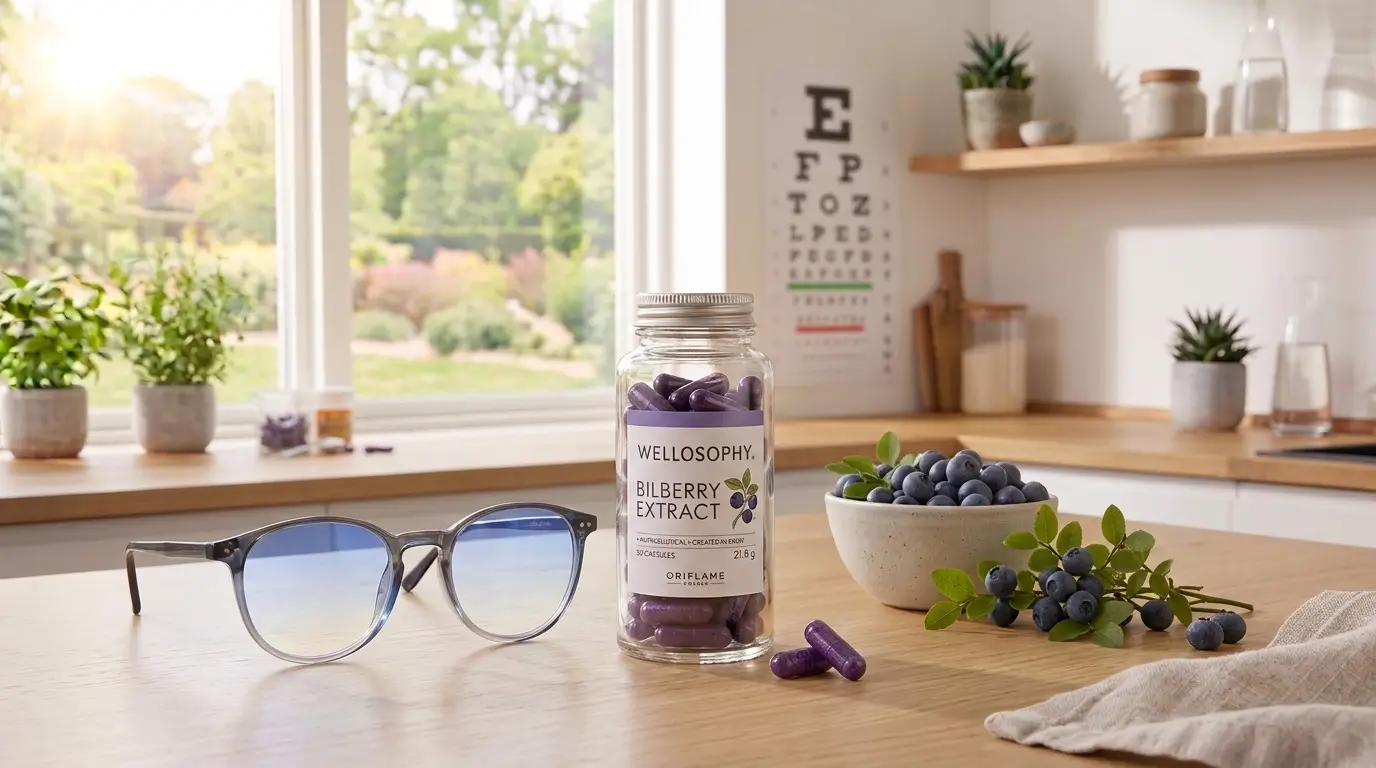
Wellosophy Astaxanthin & Bilberry Extract
The product we recommend at Zenithkind that features bilberry extract is the Wellosophy Astaxanthin & Bilberry Extract. This combination formula brings together two well-evidenced antioxidants that work through distinct but complementary mechanisms:
Bilberry extract contributes its anthocyanin-based antioxidant activity, capillary-strengthening effects, collagenase inhibition, and the retinal-specific benefits discussed throughout this article. Astaxanthin, derived from Haematococcus pluvialis microalgae, is one of the most potent single-compound antioxidants in nature. Astaxanthin can cross both the blood-retinal barrier and the blood-brain barrier, providing direct protection in these tissues. Its unique cell-membrane-spanning architecture provides simultaneous antioxidant protection inside and outside cell membranes, a structural advantage no other antioxidant shares.
For eye health, astaxanthin provides retinal antioxidant protection and reduces photoreceptor oxidative stress, while bilberry supports retinal capillary integrity and rhodopsin regeneration. These are genuinely complementary rather than overlapping mechanisms. For skin, astaxanthin’s MMP-inhibiting and UV-protective effects combine with bilberry’s collagenase inhibition and microvascular support for broader structural protection, astaxanthin benefits that complement bilberry.
Conclusion
The bilberry extract benefits documented in clinical and nutritional research are genuine, well-evidenced, and practically relevant to the health concerns of most adults, particularly those dealing with screen fatigue, skin ageing, cardiovascular health, or general oxidative stress. What bilberry does particularly well, protecting the retinal microvasculature, contributing to collagen preservation, and providing a diverse, bioavailable mixture of anthocyanin antioxidants, is different enough from what other common antioxidants do that it adds meaningfully to a supplement routine rather than duplicating it.