

How to Get Rid of Stretch Marks Naturally: 7 Evidence-Based Remedies
Natural remedies cannot completely remove stretch marks. Stretch marks are structural changes within the dermis, the skin’s middle layer, that no topical home remedy can fully reverse. However, consistent use of certain natural ingredients may improve skin hydration, support elasticity, and help newer stretch marks fade more noticeably over time. Evidence is limited compared with clinical treatments.
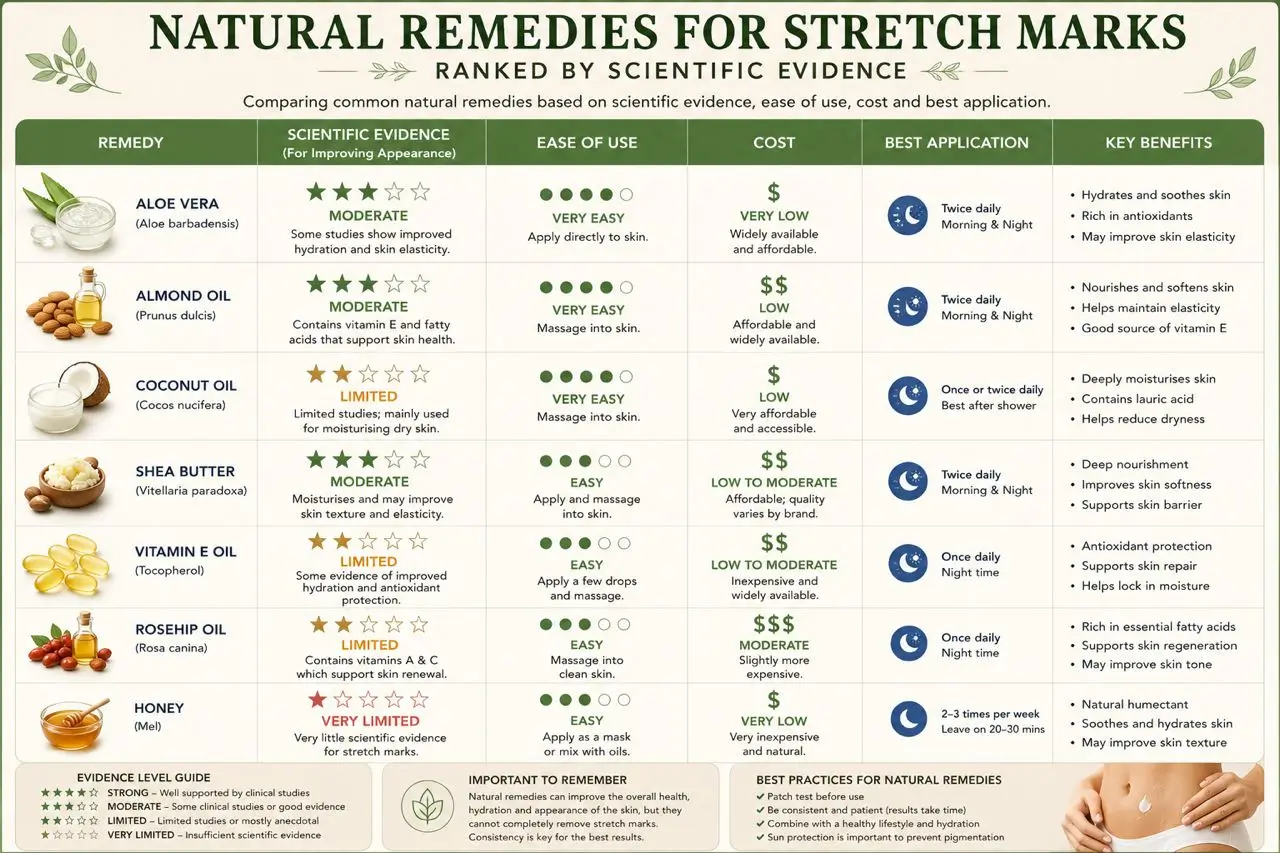
What Are Natural Remedies for Stretch Marks?
In this context, “natural remedies” covers plant-derived oils, butters, gels, and nutritional approaches, things you might use at home, without a prescription or clinical procedure, intending to improve the appearance of stretch marks or prevent their severity. These range from well-established skincare ingredients with meaningful research behind them, such as vitamin C and hyaluronic acid, to traditional remedies with centuries of use but limited modern clinical evidence, such as cocoa butter and coconut oil, to approaches that simply do not hold up under scrutiny, such as lemon juice and coffee scrubs.
Stretch marks form within the dermis, the middle layer of skin, when collagen and elastin fibres are torn by rapid stretching. Because natural topical remedies interact primarily with the epidermis and the very upper layers of the dermis, they cannot reverse the structural damage that stretch marks represent. What they can do, and this is genuinely valuable, is support skin health, maintain hydration and elasticity, support the skin’s natural repair environment, and in some cases, help newer stretch marks fade more quickly and less severely than they otherwise might.
See our complete guide on Stretch Marks: Causes, Types, Prevention & Treatments for the full scientific overview.
Can Stretch Marks Disappear Naturally?
The natural fading process follows a predictable pattern. New stretch marks begin as raised, red, pink, or purple lines. Over weeks and months, as the inflammatory response subsides and blood vessels contract, they flatten and shift toward silver, white, or grey. The contrast with surrounding skin typically reduces. In some people, particularly teenagers whose skin has high regenerative capacity, stretch marks from puberty can fade to near-invisibility over a few years without any treatment. In others, particularly those with very pale marks on very pale skin, they may become difficult to see in everyday lighting conditions.
However, the structural change within the dermis remains even when surface fading is complete. Under the right lighting, on close inspection, or when the skin is stretched, the marks are still there. Natural fading is real, but it is not the same as removal. Understanding this distinction helps set appropriate expectations for what natural remedies can achieve when layered on top of the body’s own repair processes.
See our guide on Can Stretch Marks Be Removed Permanently? for a full evidence-based answer.
How Natural Remedies May Improve Skin Appearance
Even without the ability to reach and reverse dermal damage, natural remedies contribute to skin appearance in several legitimate ways:
Hydration: Well-hydrated skin looks plumper, smoother, and more even-toned. Stretch marks on hydrated skin typically appear less stark than the same marks on dry, dull skin.
Barrier support: Ingredients that strengthen the skin’s outer barrier help it retain moisture more effectively, producing lasting improvements in skin texture and feel.
Antioxidant protection: Ingredients rich in antioxidants, vitamin E, and vitamin C protect skin cells from oxidative damage and support the environment in which natural skin repair occurs.
Collagen support: Some ingredients, vitamin C in particular, are essential cofactors in the body’s collagen synthesis process. Supporting collagen production from within is one of the most legitimate natural approaches to skin health.
Massage stimulus: The act of massaging oils and creams into the skin stimulates local blood circulation and lymphatic flow, which supports tissue health independently of whatever product is being applied.
Aloe Vera for Stretch Marks
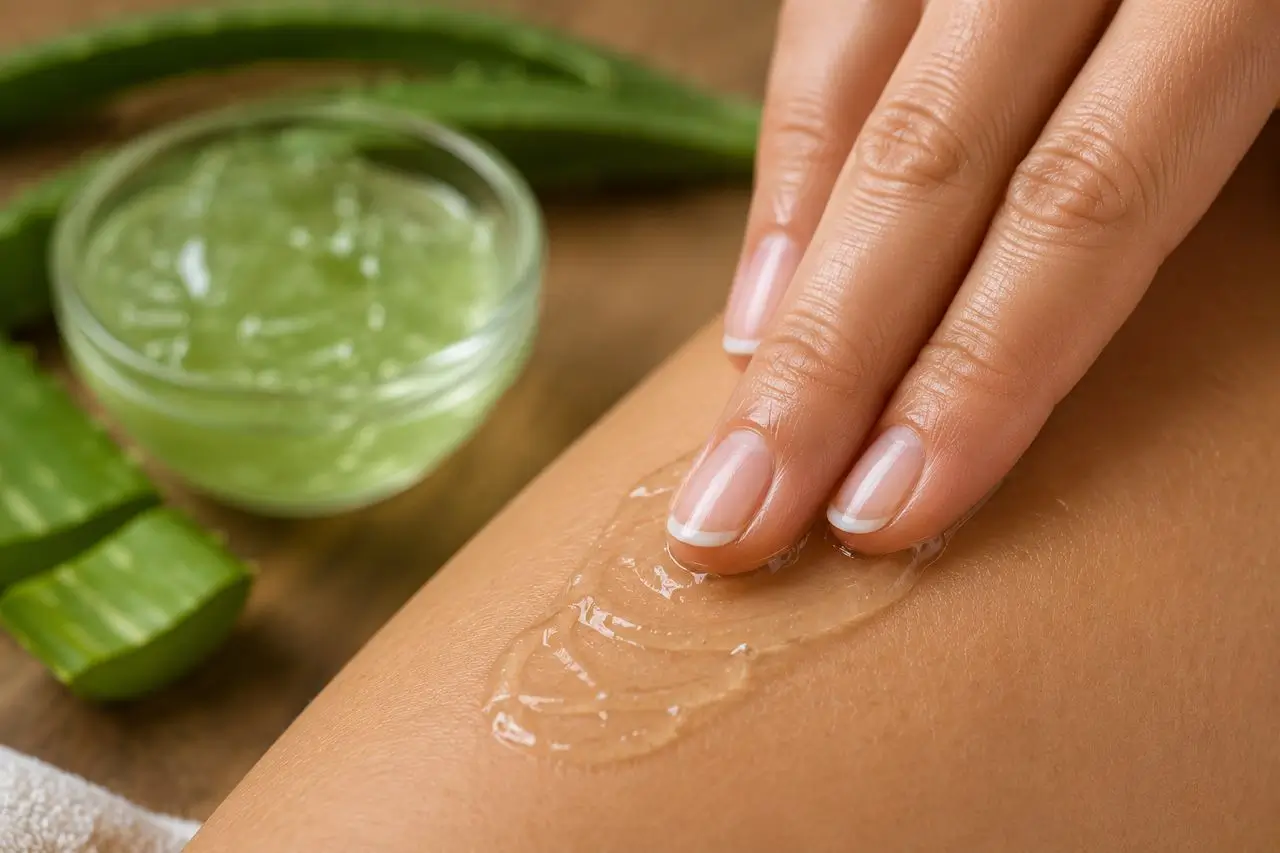
Aloe vera gel contains polysaccharides, particularly acemannan, glycoproteins, vitamins C and E, and various anti-inflammatory compounds. These give it well-established soothing, moisturising, and wound-healing properties that have been validated in clinical dermatology. Direct clinical evidence that aloe vera reduces existing stretch marks is limited. Most research focuses on its wound-healing properties more broadly, the assumption being that these same properties support the skin’s response to stretch-related damage. One small study found that an aloe vera and vitamin E combination produced some improvement in stretch mark appearance, but the evidence base is not large enough to draw firm conclusions.
Aloe vera is particularly useful for the itch and tightness that often accompany new, red stretch marks. Its anti-inflammatory properties can soothe the skin during the active inflammatory phase. It is also a light, non-comedogenic moisturiser suitable for almost all skin types, including during pregnancy. Apply pure aloe vera gel, look for high-percentage formulations with minimal additives, directly to stretch mark areas after bathing, when the skin is slightly damp. Leave to absorb before applying a heavier moisturiser or oil on top. Use daily for best effect.
Coconut Oil for Stretch Marks
Coconut oil is one of the most widely used home remedies for stretch marks. The honest assessment is that it is a good moisturiser with a limited evidence base for stretch mark improvement specifically. Virgin coconut oil is rich in lauric acid, caprylic acid, and medium-chain fatty acids. It has emollient properties that soften and smooth skin, and some research supports its role as an anti-inflammatory and antimicrobial agent. Dedicated clinical trials on coconut oil and stretch mark reduction are sparse. A 2010 study published in Dermatitis found that virgin coconut oil improved skin hydration when applied regularly, which is relevant but not the same as reducing stretch marks. Studies on its effectiveness for stretch marks specifically are limited and generally small.
Coconut oil is a legitimate moisturiser. Applied consistently, it keeps skin soft and reduces the dry, tight feeling around new stretch marks. It does not penetrate the dermis and has no mechanism for reversing the structural changes stretch marks represent. Coconut oil is moderately comedogenic; it can block pores in some individuals. It is generally safe for use on the body, but people with congestion-prone skin should monitor their response. It is not recommended for use on the face.
See our dedicated guide on Coconut Oil for Stretch Marks for a full evidence review.
Avocado Oil for Stretch Marks
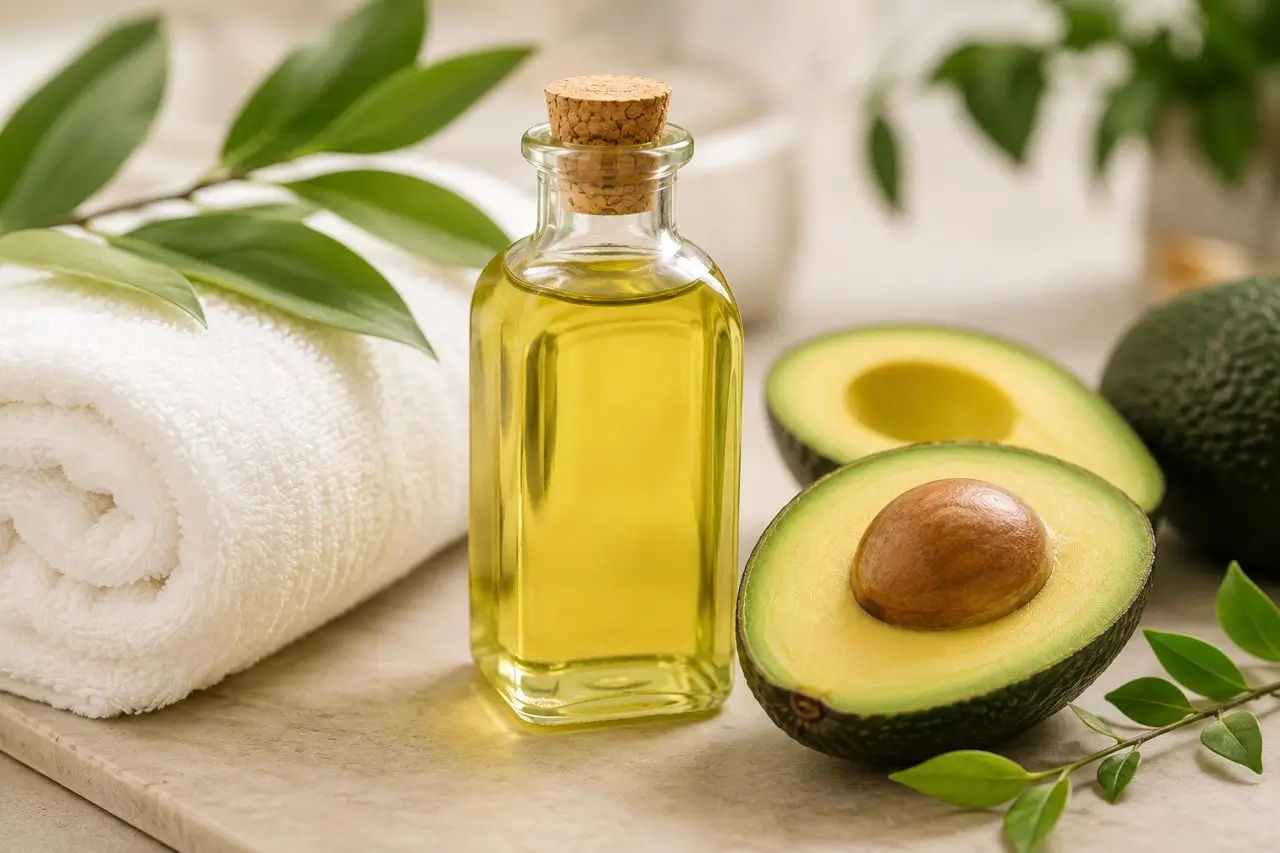
Avocado oil is rich in healthy fatty acids, vitamin E, and other antioxidant compounds that help nourish and moisturise the skin. Although there is currently limited direct scientific research showing that avocado oil can remove or fade stretch marks, keeping the skin well moisturised may improve its softness, comfort, and overall appearance. Because avocado oil penetrates the skin more easily than some heavier oils, many people use it as part of a daily massage routine. Gentle massage can temporarily increase blood flow to the skin while encouraging regular application of moisturising products. However, the improvements seen are generally related to better skin hydration rather than the complete removal of stretch marks. Like other natural oils, avocado oil works best as part of a broader skincare routine that includes consistent moisturising, a balanced diet rich in skin-supporting nutrients, staying hydrated, and protecting the skin from excessive sun exposure. People with newer red or purple stretch marks may notice more improvement over time than those with older white stretch marks, although results vary from person to person.
The Love Nature Nourishing Body, Face & Hair Oil with Organic Avocado Oil provides a lightweight, fast-absorbing option for a daily skincare and massage routine. Rich in nourishing fatty acids and vitamin E, it helps keep the skin soft, smooth, and well moisturised without leaving a heavy or greasy residue. This makes it particularly suitable for use during pregnancy and the postpartum period, when maintaining skin hydration and comfort is often a priority. While there is no evidence that avocado oil can remove stretch marks, regular massage with a nourishing body oil may support skin suppleness and encourage consistent skincare habits.
See our detailed evidence guide on the Best Oil for Stretch Marks. → See our full guide on Pregnancy Stretch Marks for complete trimester-by-trimester advice.
Almond Oil for Stretch Marks
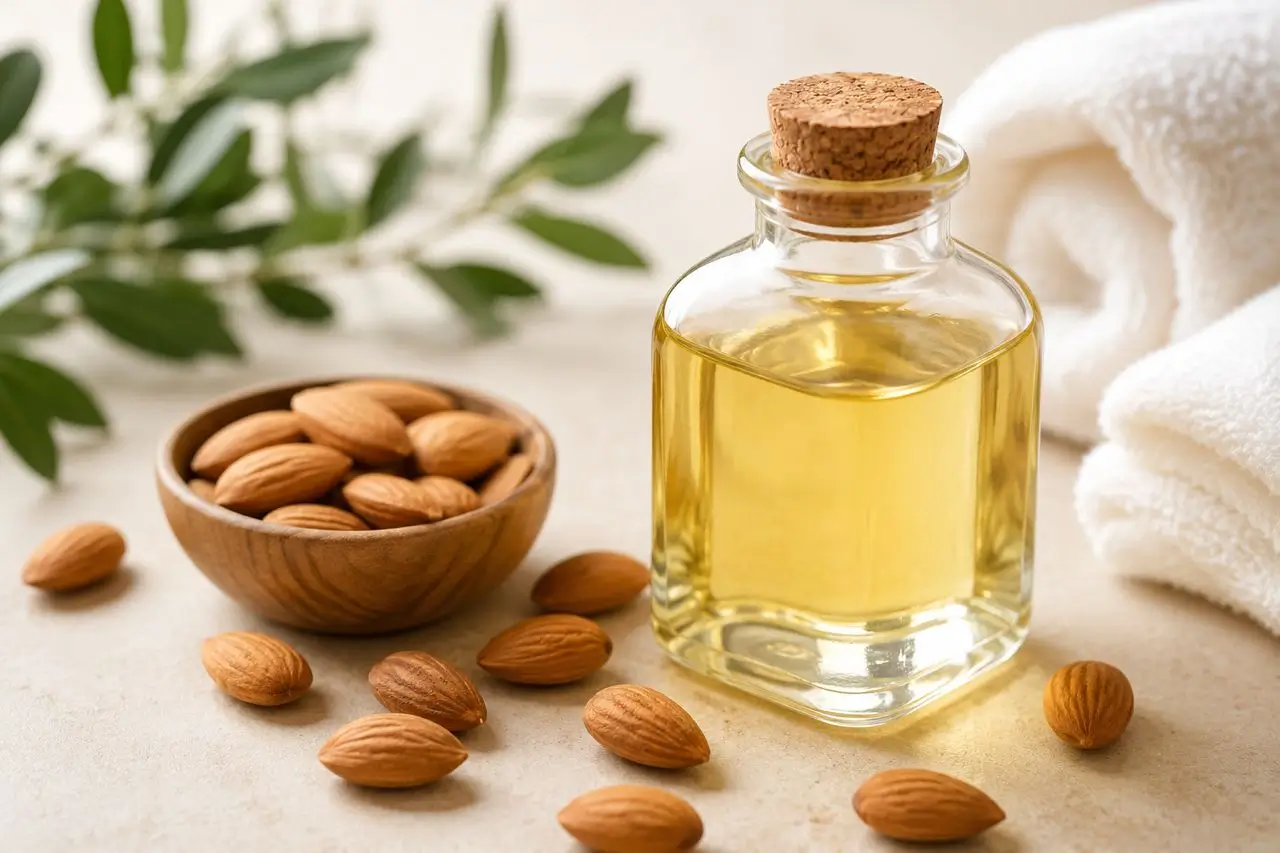
Sweet almond oil has some of the most interesting early research among natural oils for stretch mark care, and it deserves a closer look than it usually gets. Sweet almond oil is rich in oleic acid and linoleic acid, essential fatty acids, vitamin E, tocopherol, and vitamin A. These nutrients support skin barrier function, provide antioxidant protection, and contribute to skin softness. A randomised controlled trial, one of the more rigorous designs in this area, found that pregnant women who massaged sweet almond oil into their abdomen experienced significantly fewer stretch marks than women who received no treatment or massage without oil. This is meaningful, though the study was small, and it is difficult to isolate whether the benefit came from the oil, the massage, or a combination of the two.
Shea Butter for Stretch Marks
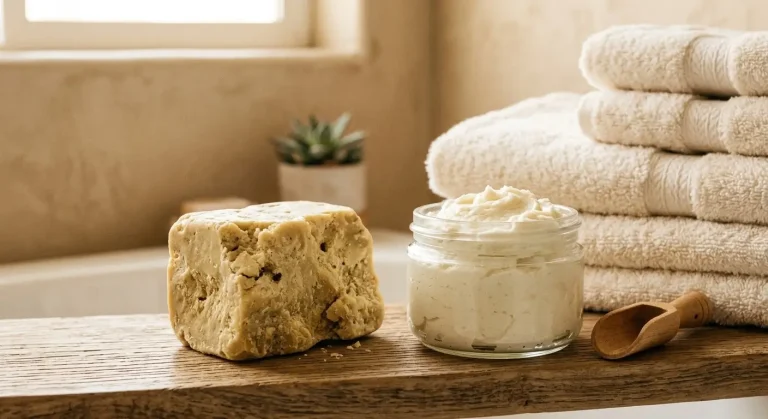
Shea butter is one of the most effective natural moisturisers available, and its value in a stretch mark routine is primarily in that role rather than as a direct treatment. Shea butter is extracted from the nut of the shea tree and is exceptionally rich in oleic acid, stearic acid, triterpene alcohols, and vitamins A and E. These compounds make it an outstanding emollient with genuine anti-inflammatory properties. The clinical evidence for shea butter specifically reducing stretch marks is limited. However, its ability to deeply moisturise, support the skin barrier, and reduce inflammation in the surrounding tissue makes it a logical and well-reasoned ingredient in a stretch mark skincare routine. Its value is in creating the best possible skin environment for natural repair and fading, not in direct stretch mark reduction.
Shea butter is one of the richest moisturisers available without a prescription. For people with dry skin, it is particularly effective at maintaining the suppleness and hydration that support skin resilience. It is widely used during pregnancy and is generally well-tolerated by sensitive skin. Raw shea butter can be applied directly to the skin; warm a small amount between your palms first to soften it. Apply to stretch mark areas in the evening, when the skin has extra time to absorb. It pairs well with a lighter morning moisturiser or body oil.
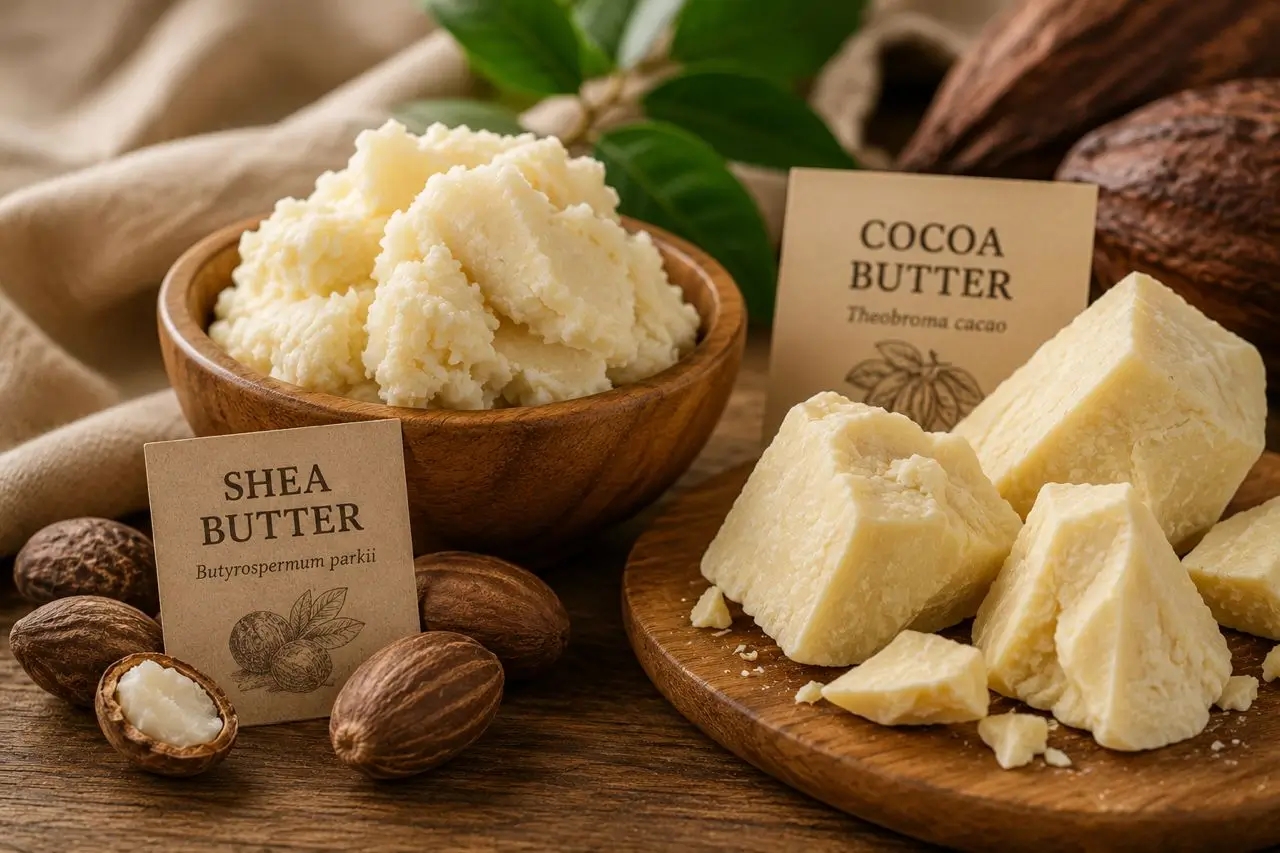
Cocoa Butter for Stretch Marks
Cocoa butter has one of the longest track records of any stretch mark remedy, and one of the clearest mismatches between reputation and clinical evidence. Cocoa butter is a plant-based fat rich in oleic, stearic, and palmitic fatty acids. It is highly emollient, absorbs well, and has a characteristic pleasant scent. It is also a good source of polyphenols with antioxidant properties. Despite generations of use during pregnancy, a well-designed clinical trial published in the American Journal of Obstetrics and Gynecology found no significant difference in stretch mark development between women who used a cocoa butter cream and those who used an unscented placebo lotion throughout pregnancy. Both groups developed stretch marks at similar rates. This does not mean cocoa butter is useless. It is a genuinely excellent moisturiser that keeps skin soft, comfortable, and well-hydrated. But its specific effect on stretch mark formation or reduction appears to be limited; its reputation may be more the result of widespread use than clinical efficacy. Use cocoa butter for what it genuinely does well, deep moisturisation and skin comfort, rather than expecting it to specifically reduce stretch marks.
Vitamin E for Stretch Marks
Vitamin E occupies a curious position in skin care: it is one of the most talked-about ingredients for scars and stretch marks, and yet the clinical evidence for its specific efficacy in this area is surprisingly limited. Vitamin E (tocopherol) is a fat-soluble antioxidant that protects skin cells from oxidative damage. It supports the skin barrier, has mild anti-inflammatory properties, and is involved in the skin’s natural healing processes. Studies specifically evaluating vitamin E for stretch mark reduction have not produced consistently positive results. Some studies on scar treatment show modest benefit; others show no significant improvement over plain moisturiser.
As a supporting antioxidant ingredient within a broader formulation, particularly alongside active ingredients like vitamin C or Centella asiatica, vitamin E contributes meaningfully to overall skin health. It is a legitimate ingredient in a stretch mark cream; it should just not be expected to carry the full load. Vitamin E-rich oils, such as almond oil, argan oil, and wheatgerm oil, provide a natural way to incorporate it into a daily routine. Pure vitamin E oil can also be applied directly to stretch mark areas, though some people find high concentrations irritating; introduce it gradually.
Vitamin C for Stretch Marks
Vitamin C deserves more attention in natural stretch mark care than it typically receives, because its role in skin biology is well-established and genuinely relevant. Vitamin C (ascorbic acid) is an essential cofactor in the body’s collagen synthesis process. Without adequate vitamin C, the body cannot produce collagen effectively. This is not a speculative connection; it is fundamental biochemistry. In the context of stretch marks, maintaining adequate vitamin C supports the skin’s ongoing collagen production, which is precisely what the dermis needs to support its natural repair and remodelling processes.
Vitamin C in stable forms such as ascorbyl glucoside or ascorbyl palmitate has evidence for improving skin tone, reducing hyperpigmentation, and supporting collagen production. In the context of red stretch marks, which involve some colour irregularity, a vitamin C serum applied to the area may contribute to a more even skin tone over time. For stretch mark care from the inside, a diet rich in vitamin C is one of the most evidence-supported natural approaches. Citrus fruits, strawberries, red peppers, broccoli, and kiwi fruit are all excellent sources. Strong for collagen support and antioxidant protection; moderate for direct stretch mark improvement.
Hyaluronic Acid for Stretch Marks
Hyaluronic acid sits at the intersection of “natural” and “evidence-backed” better than almost any other ingredient in this category. Hyaluronic acid is a substance that occurs naturally in the body, particularly in the skin, joints, and connective tissue. In the skin, it helps maintain hydration by binding water molecules in the tissue. As a topical ingredient, hyaluronic acid is one of the most effective moisturisers available. It can hold up to 1,000 times its weight in water, significantly improving skin plumpness, elasticity, and overall hydration. Some research suggests it may also have a role in stimulating collagen synthesis.
Well-hydrated skin is more elastic and resilient than dry skin. Stretch marks on consistently hydrated skin tend to be less pronounced in appearance, and the skin’s natural repair environment is better supported. Hyaluronic acid, used as a serum or incorporated into a moisturising cream, is one of the most effective natural ways to achieve this. Safe during pregnancy. A particularly good ingredient choice for pregnant women looking for effective, evidence-backed moisturisation without any of the contraindications associated with retinoids.
Staying Hydrated
One of the simplest and most overlooked aspects of natural stretch mark care is basic hydration. Skin that is adequately hydrated at the cellular level is more elastic, more resilient, and better able to accommodate stretching without severe tearing. The skin’s water content also affects how stretch marks look; dehydrated skin can make existing marks appear more pronounced. While drinking water alone cannot remove stretch marks, consistent, adequate hydration, aiming for approximately 6–8 glasses of water daily, adjusted for activity level and climate, is a legitimate and cost-free contribution to overall skin resilience.
Nutrition for Healthy Skin
What you eat has a real and meaningful impact on your skin’s ability to produce collagen, repair itself, and maintain elasticity. Several key nutrients are especially relevant.
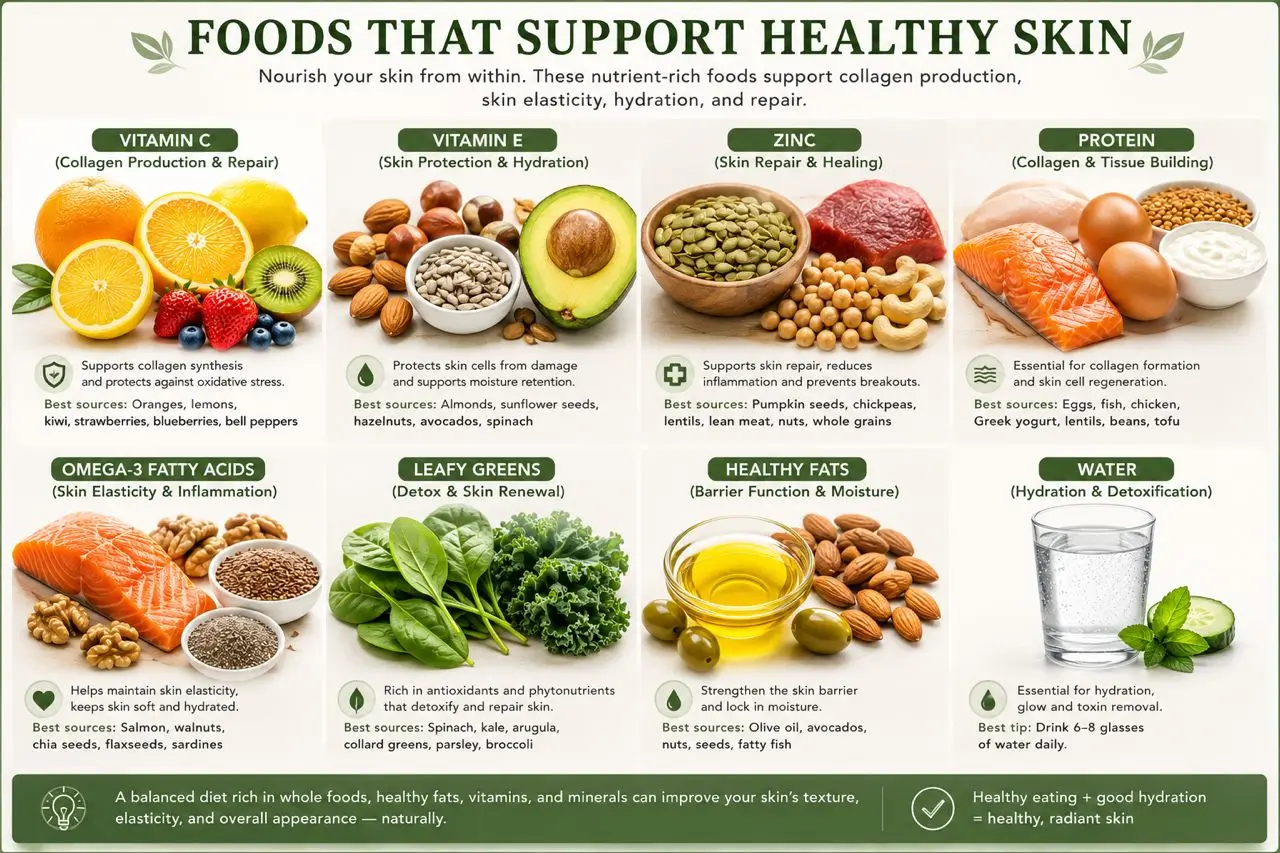
- Vitamin C: Essential for collagen synthesis. Found in: citrus fruits, strawberries, kiwi, red peppers, broccoli, mango.
- Protein: The amino acid building block of collagen and elastin. Found in: meat, fish, eggs, dairy, legumes, tofu, nuts.
- Zinc supports fibroblast activity, wound healing, and skin repair. Found in: pumpkin seeds, chickpeas, lentils, cashews, lean meat, shellfish.
- Vitamin E Antioxidant protection for skin cells and supports healing. Found in: almonds, sunflower seeds, avocado, olive oil, spinach.
- Omega-3 fatty acids support skin membrane integrity and reduce inflammation. Found in: oily fish (salmon, mackerel, sardines), walnuts, flaxseeds, chia seeds.
- Silicon supports the collagen and elastin structure. Found in: oats, bananas, green beans, wholegrains.
The Evidence at a Glance
| Natural Remedy | Scientific Evidence for Stretch Marks | Best For |
|---|---|---|
| Aloe vera | Limited | Soothing, hydration, new red marks |
| Almond oil | Limited–Moderate | Daily moisturising, pregnancy care |
| Coconut oil | Limited | Dry skin, general moisturising |
| Shea butter | Limited stretch marks; strong moisturising | Deep hydration, skin barrier |
| Cocoa butter | Limited | Skin comfort, general moisturising |
| Vitamin E | Limited as a standalone; moderate as support | Antioxidant protection, barrier |
| Avocado | Moderate | Daily moisturising, pregnancy care |
| Vitamin C (dietary) | Strong (collagen support) | Overall skin health |
| Hyaluronic acid | Moderate–Strong | Hydration, elasticity |
| Adequate water intake | Indirect | Skin resilience and hydration |
| Skin nutrition (diet) | Strong for collagen/elastin support | Long-term skin health |
Gentle Massage: An Underrated Step
Massage deserves its own mention, not because it removes stretch marks, but because it contributes to skin health in ways that complement everything else in this list.
When you massage oil or cream into skin, you:
- Stimulate local blood circulation, bringing oxygen and nutrients to the tissue
- Support lymphatic drainage, which helps remove metabolic waste from the area
- Physically warm and soften the skin, improving absorption of the product being applied
- Engage with the tissue in a way that may support its ongoing remodelling
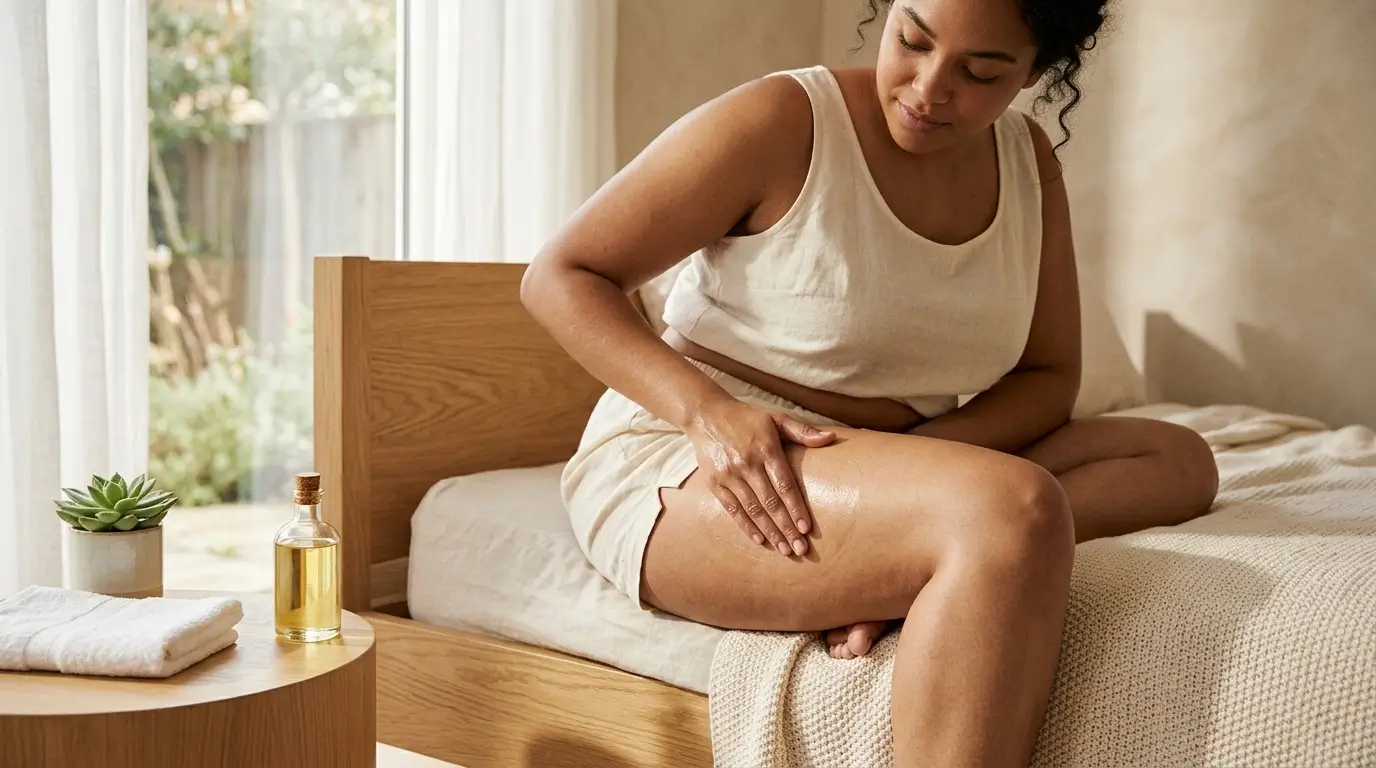
Studies on massage and scar tissue suggest that regular massage can improve the pliability and texture of scar-like tissue over time. Whether this translates directly to stretch mark improvement is not fully established, but the biological rationale is sound. Spend 1–3 minutes massaging whatever oil or cream you are using into each stretch mark area, using firm circular motions.
Why Consistency Matters More Than the Remedy
If there is one principle that runs through all natural stretch mark care, it is this: consistency outweighs product choice. A modest almond oil applied daily for six months will almost certainly produce more improvement in skin texture and hydration than an expensive premium oil used twice a week. The skin’s natural repair and remodelling processes work gradually. They need sustained support, not occasional attention.
This is why building a daily routine, morning and evening, however simple, is the most important practical step anyone can take for natural stretch mark care.
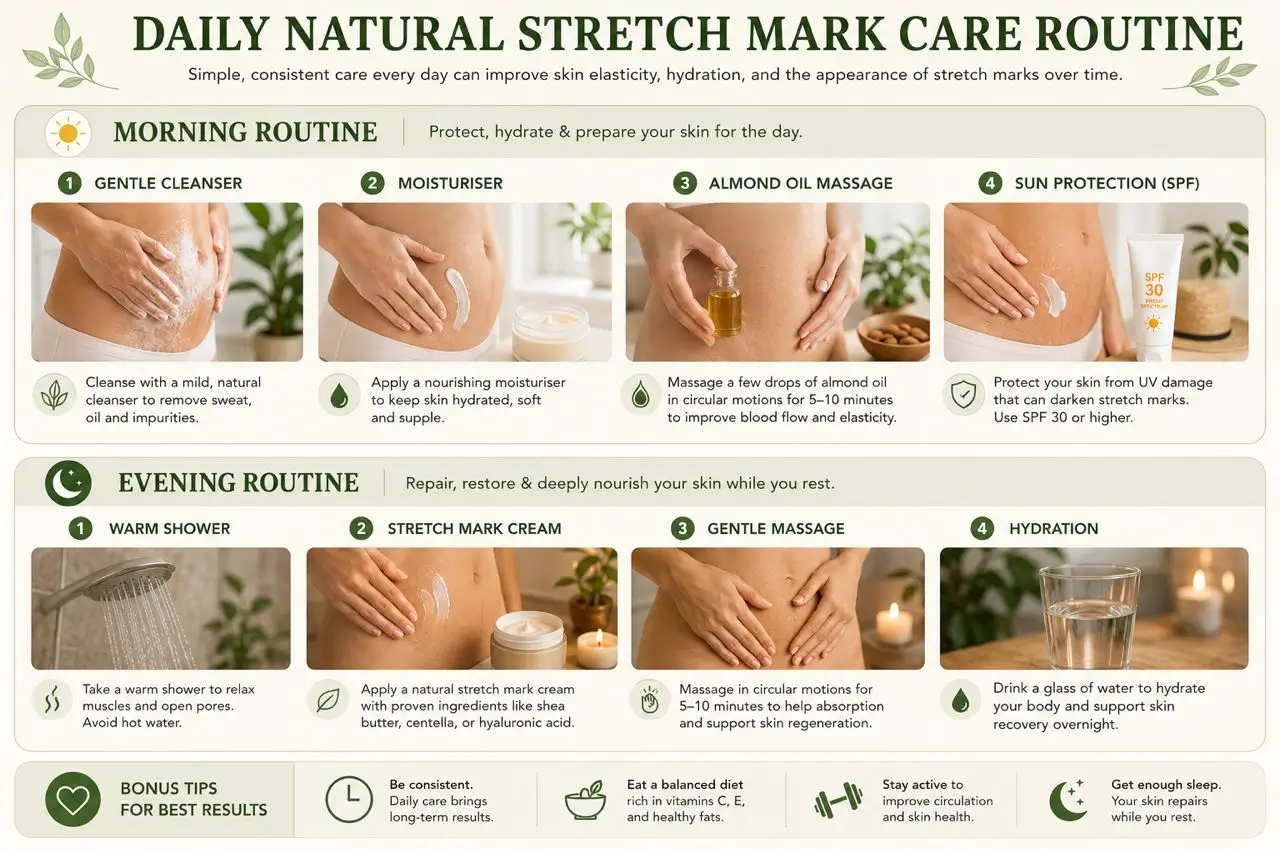
A practical daily routine:
Morning:
- After bathing, pat skin dry, leave slightly damp
- Apply a hydrating body lotion or cream containing hyaluronic acid or vitamin C to stretch mark areas
- Follow with a light body oil, almond oil is ideal, and massage in for 1–2 minutes
- Apply SPF to any stretch-marked skin that will be exposed to sunlight
Evening:
- A warm shower helps open pores and relax skin before product application
- Apply stretch mark cream to target areas while skin is slightly damp
- Follow with body oil and spend 2–3 minutes in a gentle circular massage
- Drink a glass of water before bed
For a complete daily routine, the Body Edition Anti-Stretch Mark Body Concentrate can serve as the evening treatment step, providing a formulated combination of moisturising and skin-supporting ingredients in one product. Combined with a morning application of Love Nature Nourishing Body Face & Hair Oil With Organic Avocado Oil for daytime nourishment and massage, this forms a practical, easy-to-maintain two-product daily approach.
See our guide on the Best Stretch Mark Cream for a detailed breakdown of what makes a cream worth using. → See our product page: Body Edition Anti-Stretch Mark Body Concentrate
What Natural Remedies Cannot Do?
Natural remedies cannot:
- Reverse the structural changes within the dermis that stretch marks represent
- “Fill in” the torn collagen and elastin network with the original basket-weave architecture
- Reach the dermis in sufficient concentration to stimulate the kind of collagen remodelling that clinical treatments can
- Guarantee prevention of stretch marks during pregnancy, puberty, or rapid growth
- Remove old, white stretch marks; these have settled into stable scar-like tissue that home remedies cannot meaningfully alter
For mature white stretch marks, natural remedies are a maintenance and comfort measure; they keep the skin healthy and feeling good, but significant visual improvement from natural approaches alone is unlikely. For old white marks, clinical treatments like fractional laser or microneedling are the more appropriate options. Even the best-evidenced natural approaches- vitamin C, hyaluronic acid, consistent almond oil massage produce gradual change over weeks and months. Anyone promising fast results from a natural remedy is overstating what is achievable.
See our guide on How to Remove Stretch Marks for clinical treatment options.
When to See a Dermatologist
Natural approaches are a reasonable starting point, particularly for new or mild stretch marks, or for people who prefer to begin with the most accessible options. But there are circumstances where professional guidance is the right next step.
Consider seeing a dermatologist if:
- Natural approaches after 3–6 months of consistent use have produced minimal visible improvement
- Your stretch marks are causing significant emotional distress or affecting your quality of life
- You have older white stretch marks and want more targeted treatment
- Stretch marks appeared suddenly without an obvious cause
- You are pregnant and want personalised advice on safe skin care for your specific situation
- You want to know which combination of clinical treatments is most appropriate for your skin type
The American Academy of Dermatology notes that while many people manage stretch marks with home care, dermatologists can offer prescription treatments and in-clinic procedures that produce significantly better results when topical care is not sufficient.
The NHS adds that stretch marks are a normal part of many people’s lives and are not medically dangerous, but that professional treatment is available for those who want to explore clinical options.

Key Takeaways
- Natural remedies cannot completely remove stretch marks, but they can meaningfully support skin health, hydration, and the skin’s natural fading process.
- The best-evidenced natural approaches are: vitamin C, topical and dietary, hyaluronic acid, sweet almond oil with massage, and consistent overall skin nutrition.
- Cocoa butter and coconut oil, despite their popularity, have limited specific evidence for stretch mark improvement; they are good moisturisers but not targeted treatments.
- Consistency matters more than product choice. A simple daily routine maintained for months produces better results than sporadic use of expensive products.
- Massage amplifies the benefit of whatever oil or cream you apply; make it a deliberate step rather than an afterthought.
- Old white stretch marks are unlikely to respond significantly to natural remedies; clinical treatment is more appropriate for these.
- For new or red stretch marks, starting a natural routine early gives them the best chance to support the skin through the active phase.
Conclusion
Learning how to get rid of stretch marks naturally begins with understanding what “naturally” can realistically achieve, and being at peace with that. The evidence-informed answer is that natural approaches can support your skin meaningfully, help newer stretch marks fade, maintain the suppleness and comfort of stretch-marked skin, and build a daily habit that serves your skin health over the long term. What they cannot do is reverse the structural dermal changes that stretch marks represent. That is not a failure of natural approaches; it simply reflects the biology of how stretch marks form. And accepting it allows you to build a genuinely useful, consistent routine rather than chasing results that no home remedy can deliver.
And if you decide you want to explore clinical options alongside natural care, or instead of it, the guides below will walk you through everything available.
How to Remove Stretch Marks: What Really Works → Can Stretch Marks Be Removed Permanently → Best Stretch Mark Cream: Ingredients That Actually Matter → Best Oil for Stretch Marks → Pregnancy Stretch Marks: Prevention and Care → Stretch Mark Causes: Why They Develop → Stretch Marks on Thighs, Breasts, Arms, and Buttocks