


Fast Teeth Whitening: 5 Safe Ways to Get Results Before Your Big Event
For anyone who needs results as quickly as possible, a dentist-performed whitening treatment offers the most noticeable improvement in the shortest time.
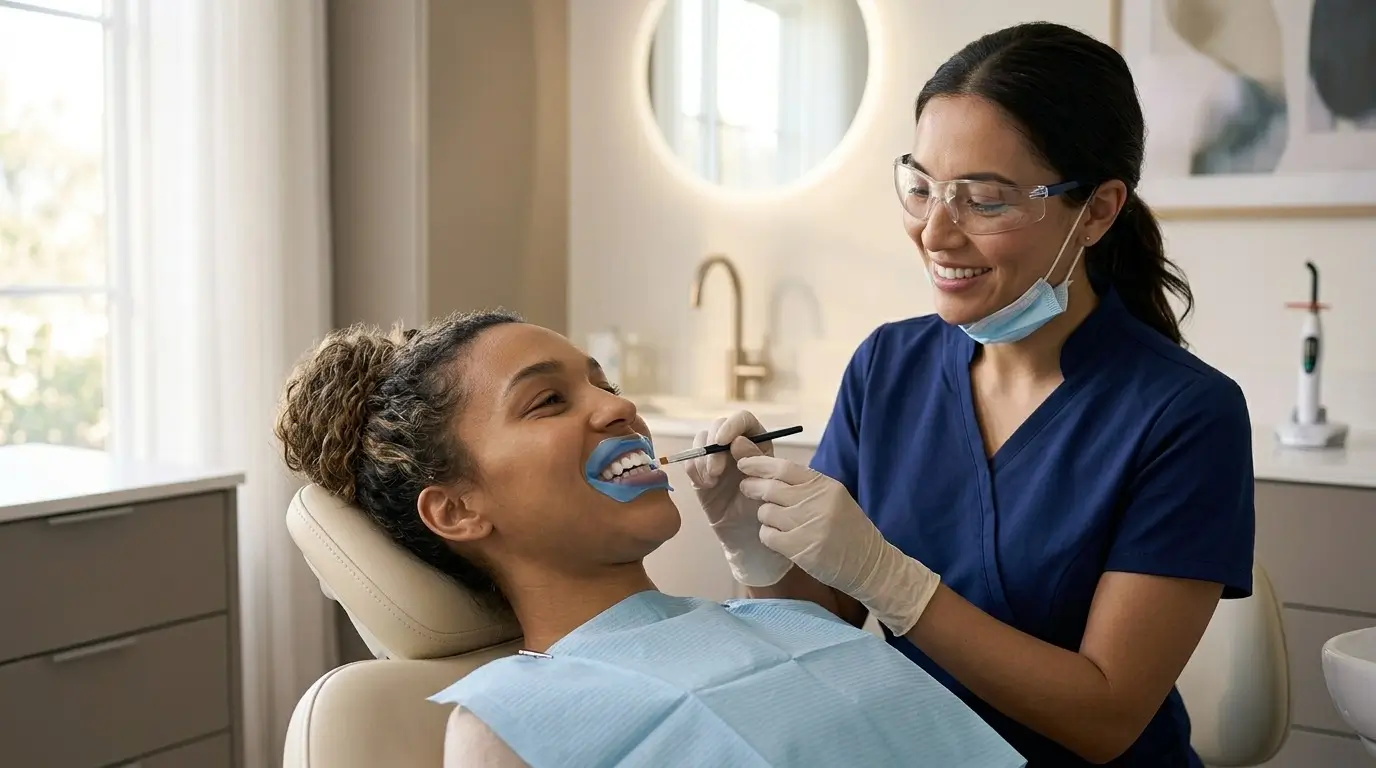
Professional whitening relies on peroxide-based bleaching agents, typically hydrogen peroxide in higher concentrations that are only available in a clinical setting. The gel is applied carefully to your teeth while your gum tissue is safely protected. Some systems use a light or laser alongside the gel, though research is mixed on whether light activation actually improves the final result. Before treatment, the dentist will examine your teeth to make sure whitening is safe for you. If you have untreated cavities, gum disease, significant enamel damage, or certain types of staining, whitening may not be suitable, or it may need to wait until those underlying issues are fixed.
Many people notice a clear difference after just one appointment, while others may need more than one session. The exact level of change depends on the type and depth of your staining, your natural starting shade, and personal factors that no provider can fully predict. Treatment sessions usually take between 45 and 90 minutes, depending on the specific protocol used. Your dentist can give you an honest evaluation based on your teeth before you decide to go forward.
Key Considerations
- Cost: Professional whitening is the most expensive path. Prices vary widely depending on your location and the clinic you choose.
- Sensitivity: Temporary tooth sensitivity and mild gum irritation are common side effects, but they usually clear up within a day or two.
- Suitability: Not everyone is an ideal candidate, which is why a consultation is essential.
Over-the-Counter Options: Results in 1 to 7 Days
Over-the-counter whitening products vary widely in their active ingredients, strength, and recommended treatment schedules. While visible improvement within a single week is possible with certain products, results are not guaranteed and depend heavily on using them consistently according to the manufacturer’s instructions.
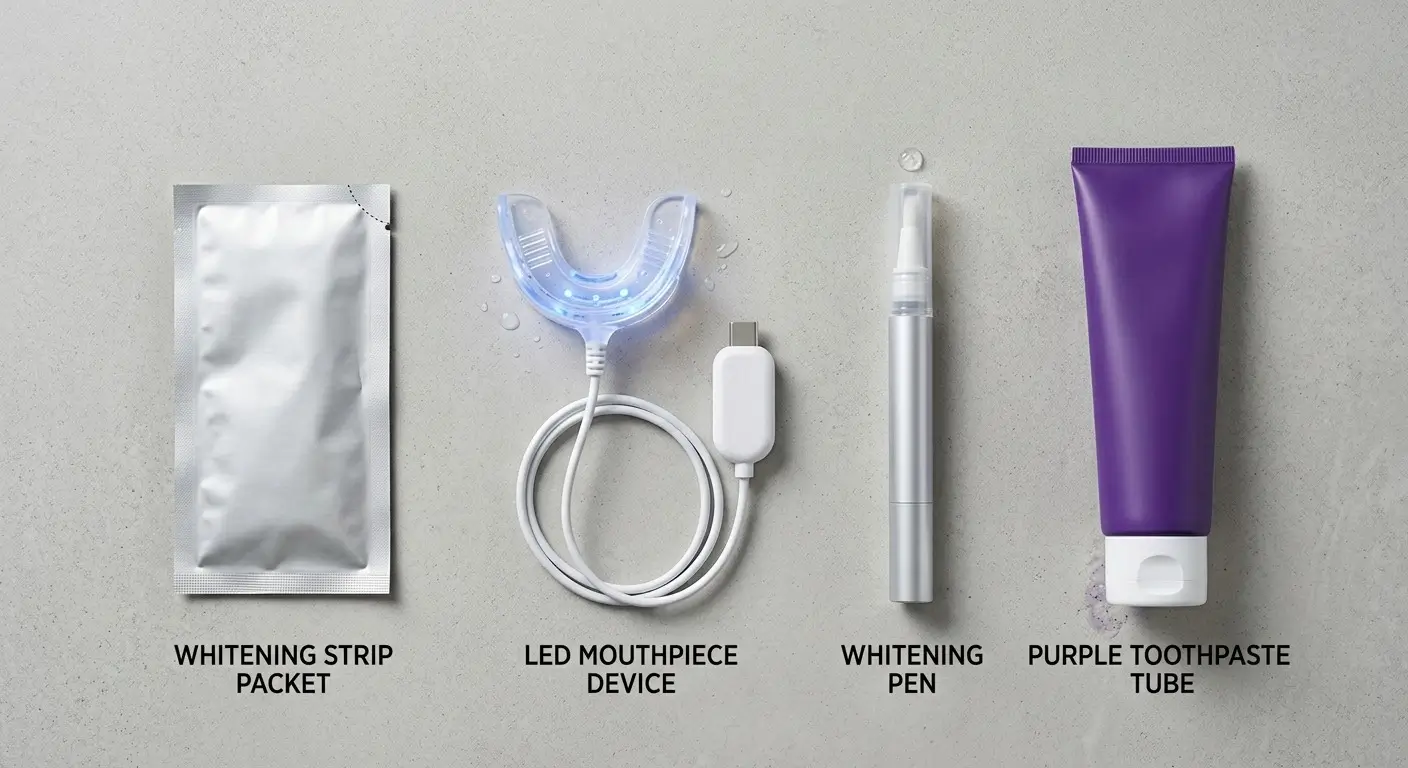
1. Whitening Strips
Whitening strips are thin, flexible plastic strips coated with a peroxide-based gel. You press them firmly against the surface of your teeth for a specified duration each day, typically between 30 minutes and one hour, depending on the brand. The peroxide stays in direct contact with your enamel to gradually lighten the tooth’s natural shade over a series of daily applications. Some users spot a noticeable difference within just a few days, while others need to complete the full recommended treatment cycle.
What to Be Aware Of
- Stick to the guidelines: Do not leave strips on longer or use them more frequently than instructed. Doing so will not accelerate your results and significantly increases your risk of tooth sensitivity and gum irritation.
- Natural teeth only: These strips work exclusively on natural enamel. They will not alter the shade of crowns, veneers, or fillings.
- Watch for side effects: Mild sensitivity and temporary gum discomfort are common. However, if you experience sharp or significant pain, discontinue use immediately and consult your dentist.
See our guide on Home Teeth Whitening for a full breakdown of at-home options and their limitations.
2. Whitening LED Light Kits
LED whitening kits combine a peroxide-based gel with a small mouthpiece that emits light. The premise is that the light accelerates the bleaching action of the gel. However, the whitening gel is the actual active component; peroxide is what interacts with the tooth surface. Evidence on whether the LED light component independently produces better results remains limited and mixed. If you are considering a home kit, the key factor to evaluate is the gel’s active ingredients, concentration, and instructions, rather than the light alone.
3. Whitening Pens and Touch-Up Gels
Whitening pens contain a small amount of peroxide gel that you apply directly to the tooth surface using a brush tip. They are designed primarily for touch-ups and supplementary use rather than as a standalone whitening treatment. Any visible improvement from a whitening pen depends on the formulation, careful application, how long the gel stays in contact with your teeth, and your ability to keep saliva away from the area. Do not expect dramatic bleaching from a single application. Where pens tend to be genuinely useful is as part of a maintenance routine following a full whitening treatment, helping keep your results looking fresh through targeted spot applications.
4. Purple Colour-Correcting Toothpaste
Purple or violet-tinted toothpastes work on the principle of colour theory: purple and yellow sit opposite each other on the colour wheel, which means purple pigment on the tooth surface can make yellow tones appear less noticeable to the eye. It is important to understand that this is an optical effect, not a chemical whitening treatment. The pigment sits on the tooth surface temporarily and does not bleach the natural colour of the enamel underneath. Any visible improvement typically lasts only a few hours before the pigment naturally wears off.
See our guide on Whitening Toothpaste for more on how different toothpaste ingredients work.
How Fast Can You Actually Whiten Your Teeth?
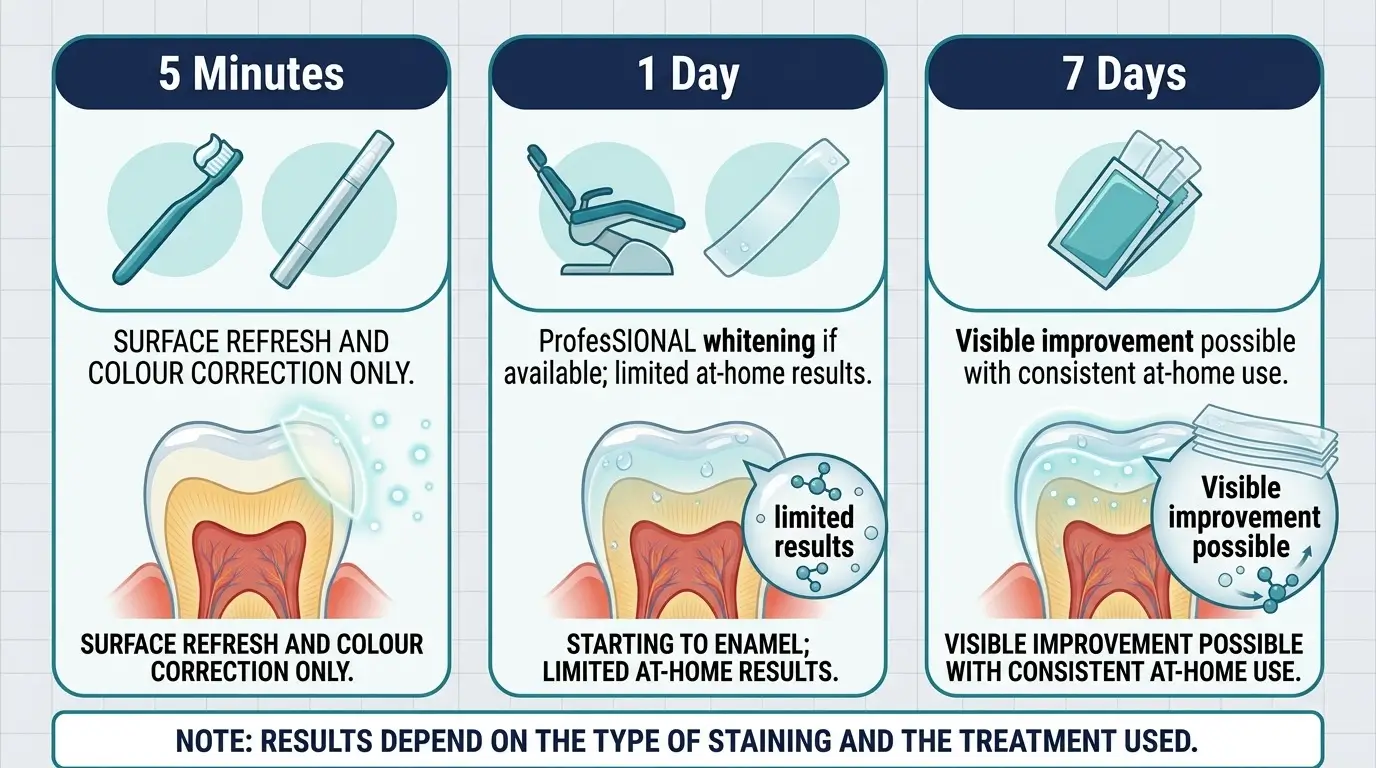
Quick cosmetic fixes, true chemical bleaching, and guaranteed results are three entirely different things. Understanding which goal you are targeting will help you choose the right approach and set realistic expectations.
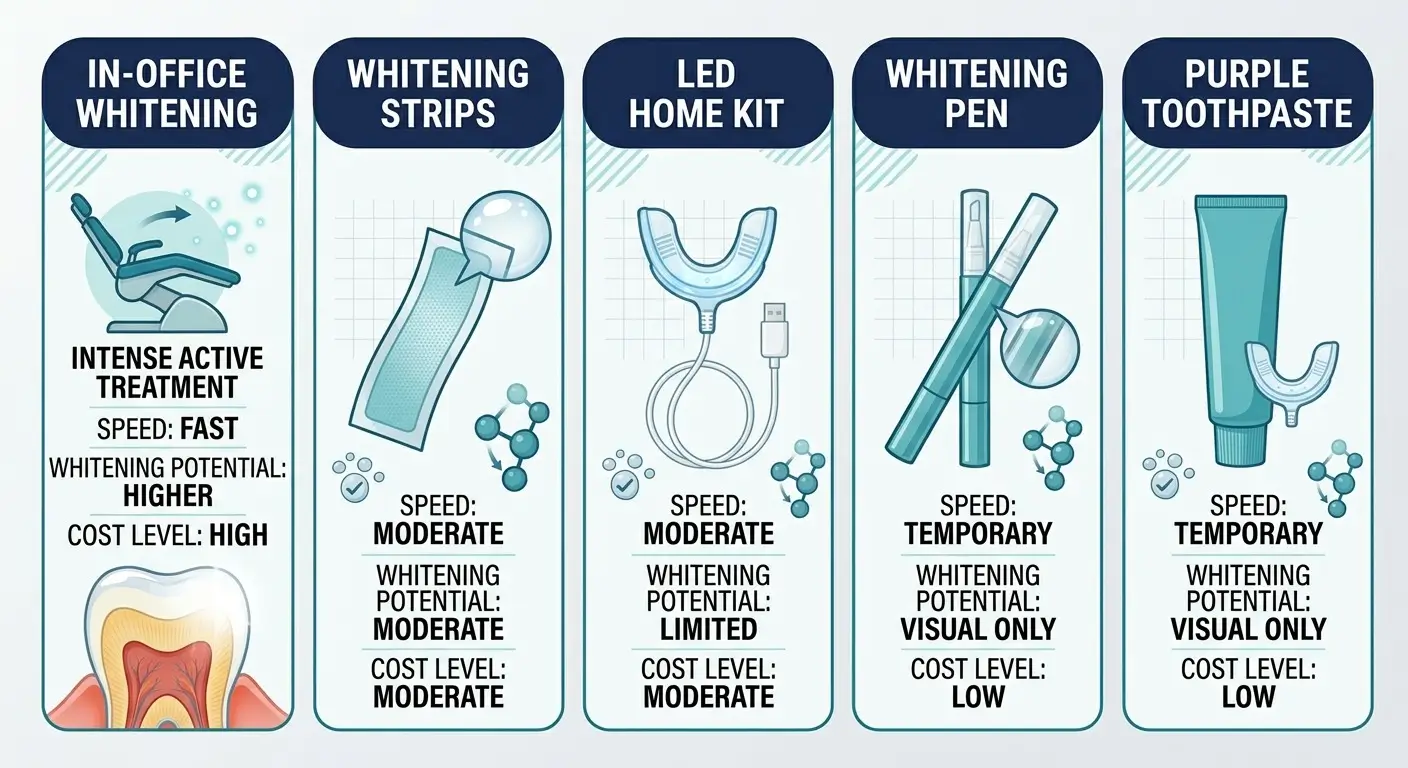
Fast Whitening Speed and Results Comparison
Dangerous “Fast” Whitening Hacks You Must Avoid
When time pressure meets the desire for a brighter smile, many people turn to shortcuts they see online. However, several of these methods are not only ineffective, but they can also cause permanent, irreversible damage to your teeth.
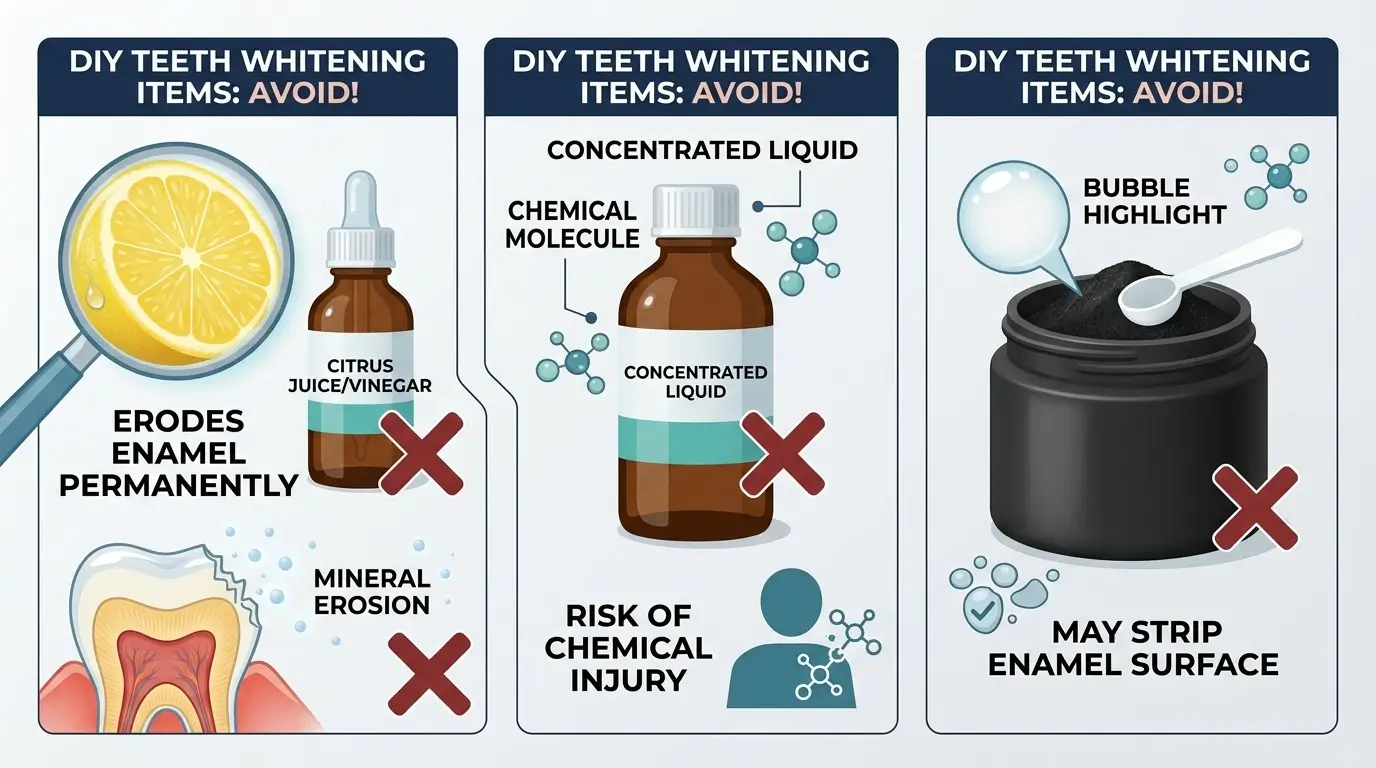
- Pure Lemon Juice and Acidic Scrubs
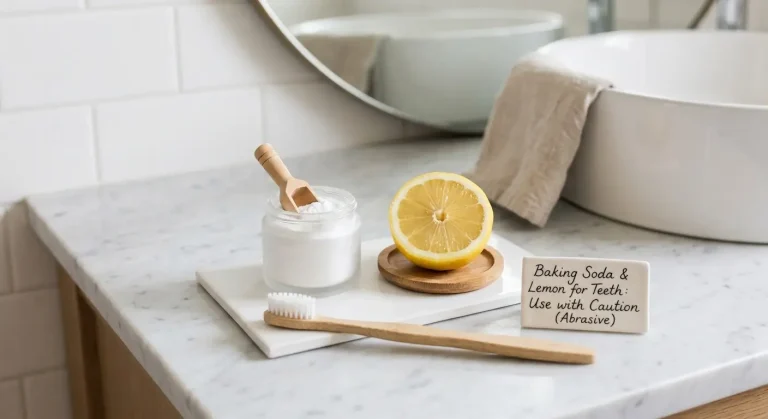
Lemon juice, apple cider vinegar, and similar acidic household items are frequently promoted as “natural” whitening remedies. In reality, they are anything but safe. Repeated or prolonged contact with highly acidic substances erodes tooth enamel, the hard outer layer that shields your teeth. Unlike many other tissues in your body, enamel cannot regenerate once it wears away. What might initially look like a quick brightening effect is actually the surface layer of your enamel dissolving. Over time, this erosion exposes the naturally yellow dentine layer beneath, ultimately making your teeth look darker rather than lighter.
- Undiluted Hydrogen Peroxide Gargles and Homemade Mixtures
Standard pharmacy hydrogen peroxide, typically a 3% concentration in the UK and many other markets, is completely different from properly formulated dental whitening products. Swishing or gargling with it as a DIY mouthwash is not recommended and does not deliver the results of professional-grade treatments. Using higher-concentration peroxide or improvised home mixtures carries a significant risk of chemical burns and injury to the soft tissues inside your mouth, including your gums, tongue, and cheek lining. Properly formulated whitening products rely on controlled concentrations, appropriate stabilizing agents, and strict safety guidelines, and that careful formulation makes all the difference.
- High-Abrasion Charcoal Powders
Activated charcoal products are widely promoted as natural whitening solutions. However, the American Dental Association (ADA) has noted that there is currently insufficient evidence to prove the safety or effectiveness of charcoal-based oral care products. The primary concern with coarse charcoal powders is how they work: they can strip away some surface stains through physical abrasion. The risk is that aggressive or repeated scrubbing with a highly abrasive substance can also wear down your protective enamel over time. As enamel grows thinner, the underlying yellow dentine becomes far more visible, leading to the exact opposite of the brighter smile you intended to achieve.
See our guide on Whitening Toothpaste for what to look for in a safe whitening toothpaste.
How to Maintain Your Whitening Results
Achieving a brighter smile is only part of the process; maintaining those results comes down to a few simple, effective habits.
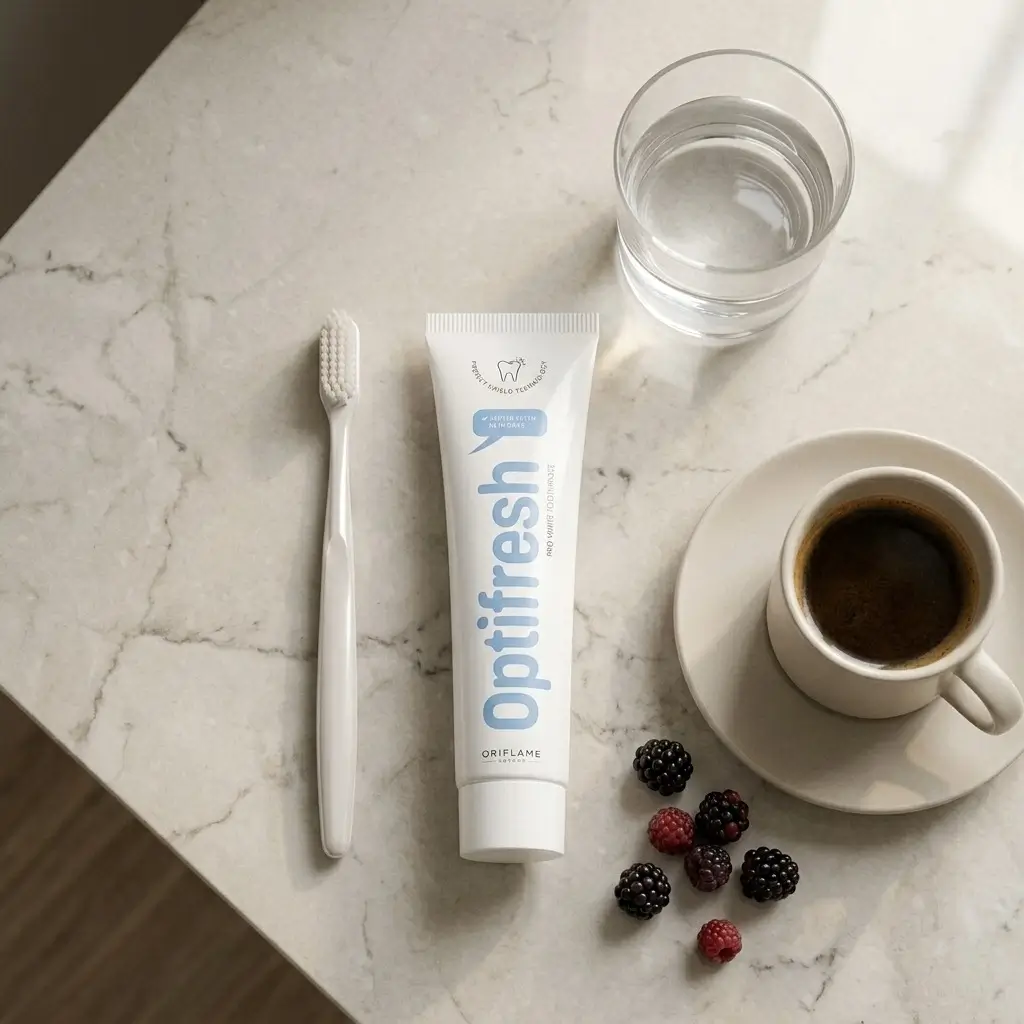
- Be Mindful of Staining Foods and Drinks
Coffee, tea, red wine, and deeply pigmented foods like dark berries and soy sauce contribute to surface staining over time. You do not need to eliminate them, but minimizing how often they touch your teeth right after a whitening treatment and rinsing with water afterward helps slow down new stains.
- Rinse With Water After Staining Drinks
Swishing with plain water right after drinking coffee or tea helps wash away pigments before they settle into your enamel. It takes only a few seconds and makes a noticeable cumulative difference.
- Maintain Consistent Oral Hygiene
Brush twice daily with a fluoride toothpaste and clean between your teeth using floss or interdental brushes. A healthy, clean foundation is essential for keeping your smile bright.
- Manage Sensitivity Effectively
If whitening triggers sensitivity, follow the product instructions on taking a pause. Never increase the frequency or strength of an application to compensate. If sensitivity persists, becomes severe, or comes with other symptoms, stop treatment and consult your dentist.
- Follow Your Dentist’s Aftercare Instructions
If you underwent a professional whitening treatment, your dentist may provide specific aftercare guidelines for your case. These recommendations take priority over general advice, so be sure to follow them carefully.
- Choose a Toothpaste That Supports Enamel Health
A fluoride toothpaste supports enamel mineralization and helps protect against decay. If whitening leaves your teeth feeling sensitive, switching to a sensitivity-formulated toothpaste can provide relief when used consistently. While no toothpaste can replace lost enamel, choosing the right daily option is a vital part of long-term dental care.
Best Toothpastes to Support Your Whitening Routine: Optifresh Range
The right toothpaste plays an important supporting role in any whitening plan, both during treatment and for keeping your results fresh afterward. The Optifresh range offers four targeted options depending on your specific needs:
Optifresh Pro White Toothpaste: For Everyday Brightness and Surface Stain Prevention
Optifresh Pro White Toothpaste is an ideal daily option for preventing new surface stains from building up between whitening treatments. Used twice daily alongside regular brushing, it helps maintain a brighter smile as part of your ongoing routine. It maintains whitening results, prevents routine coffee and tea stains, and provides daily whitening-supportive care.
Optifresh Sensitive Toothpaste: For Post-Whitening Sensitivity
Temporary sensitivity is one of the most common side effects of whitening, particularly with peroxide-based products. Optifresh Sensitive Toothpaste offers effective daily cleaning with a formula specifically designed to be gentle on reactive teeth. It manages sensitivity during or after whitening, caring for naturally sensitive teeth while exploring whitening options, or following a dentist’s recommendation to use a gentle formula.
Optifresh Natural Oil Toothpaste: For a Natural Daily Oral Care Foundation
For anyone who prefers natural personal care products, Optifresh Natural Oil Toothpaste delivers effective daily cleaning using natural, oil-based ingredients. Keeping teeth clean and plaque-free is the most crucial step in supporting the look of your smile before, during, and after whitening.
Optifresh Maximum Fresh Toothpaste: For Complete Daily Oral Hygiene
The same foods and drinks that cause tooth stains, like coffee, red wine, and strong sauces, can also impact your breath. Optifresh Maximum Fresh Toothpaste combines long-lasting freshness with daily plaque control for a thorough, refreshing routine.
Conclusion
The fastest and safest route to whiter teeth is dentist-supervised whitening, whether performed in the office or through a professionally prescribed home kit. At-home peroxide products, such as whitening strips, can also produce noticeable results over a week of consistent, proper use. Meanwhile, optical colour-correcting products offer a quick temporary refresh without any chemical bleaching. What will not help, and what can cause permanent, irreversible damage to your enamel, are acidic household rinses, improvised hydrogen peroxide gargles, and abrasive powders promoted online as emergency fixes.
Explore our related guides on Teeth Whitening, Home Teeth Whitening, and How to Repair Tooth Enamel for further guidance on safe whitening strategies and long-term enamel protection.
Finally, if you experience persistent sensitivity, notice visible enamel wear, or are unsure whether whitening is safe for your teeth, consult a dentist before starting any regimen. A brief professional assessment will ensure you choose a path that brightens your smile safely and effectively.