

Stretch Marks: Causes, Prevention, and Best Removal Treatments
Stretch marks are narrow streaks or lines that develop on the skin when it is stretched rapidly. They occur when the middle layer of skin, the dermis, tears. They are extremely common and can affect anyone, appearing most often on the abdomen, thighs, hips, breasts, upper arms, and lower back. They are harmless but can be a cosmetic concern.
Stretch marks, known medically as striae distensae, are long, narrow streaks, bands, or lines that form on the surface of the skin.
They can appear almost anywhere on the body, but they most commonly develop on the:
- Abdomen
- Thighs and hips
- Breasts
- Upper arms and shoulders
- Lower back and buttocks
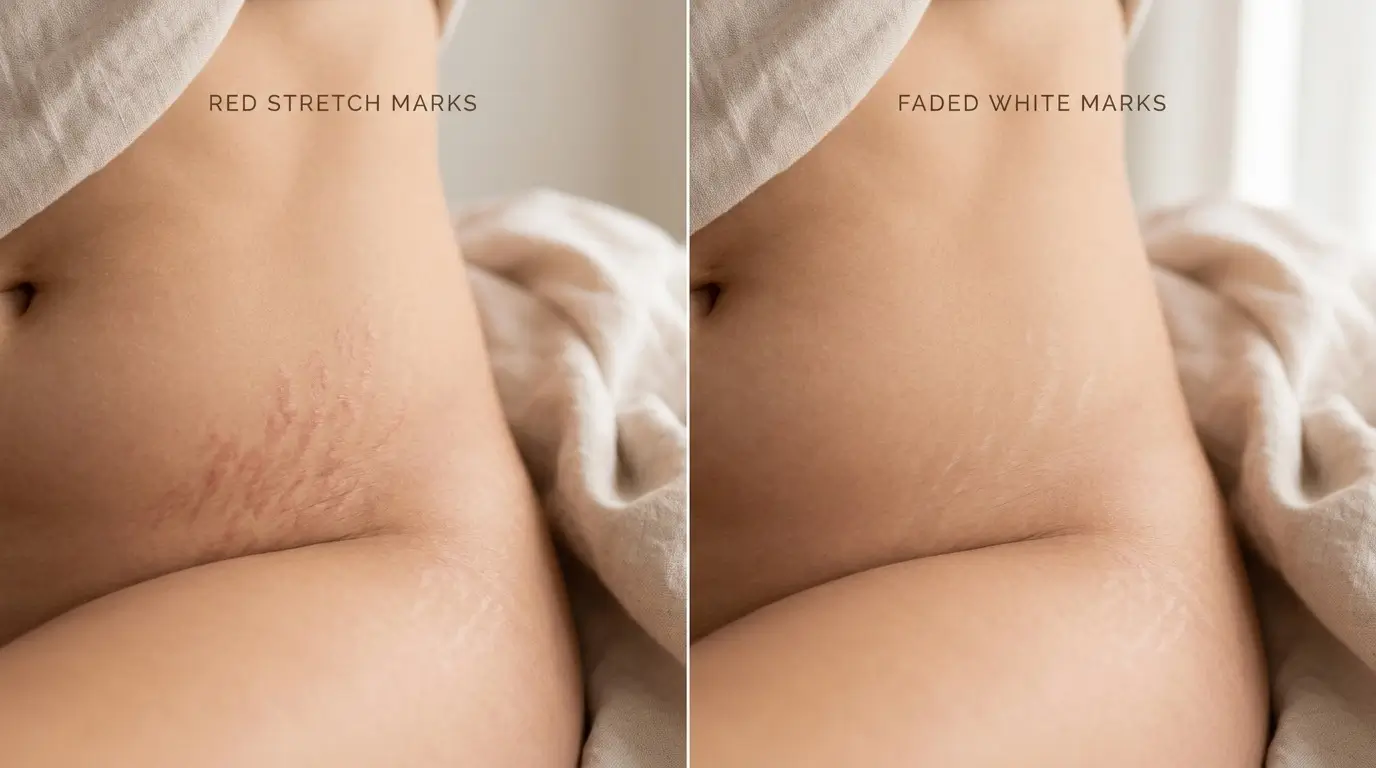
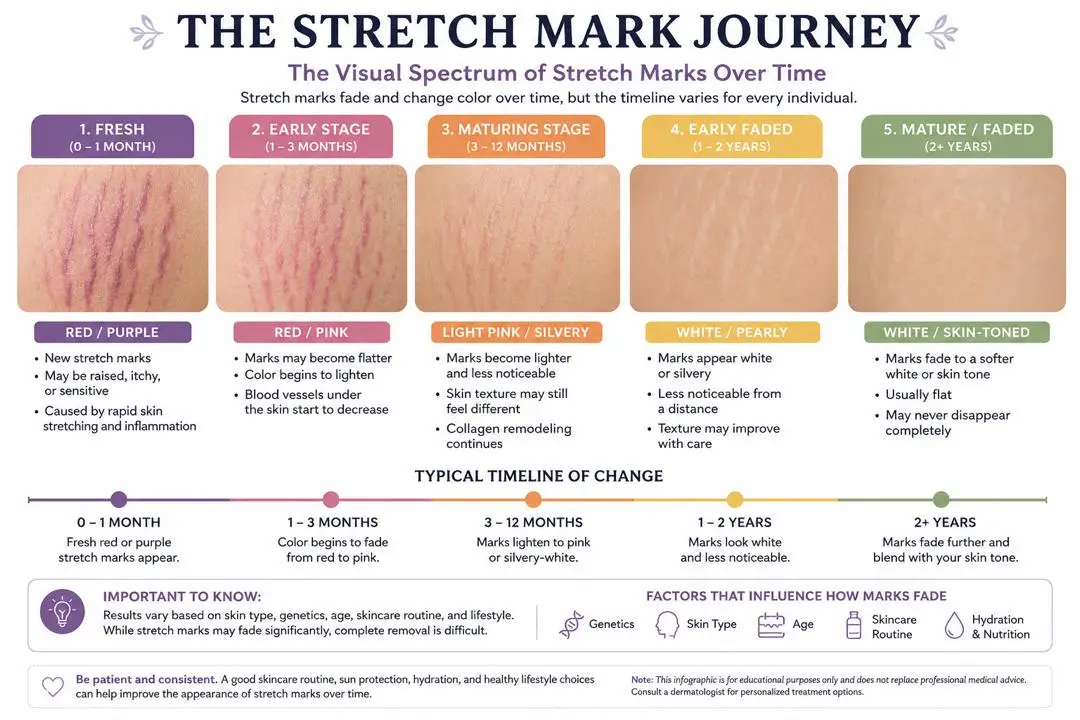
At first, they often appear as slightly raised lines with a reddish, purplish, or pinkish colour. Over time, they tend to flatten and fade to a silvery-white or grey colour. This is why stretch marks look quite different depending on how long they have been there. Stretch marks are not a sign of poor health or personal neglect. They are a biological response to rapid skin stretching, and they are extraordinarily common. Research suggests that anywhere from 50 to 90 percent of pregnant women develop them, and they affect people of all ages, genders, and skin types.
Stretch Marks Meaning
The word “striae” comes from Latin, meaning grooves or channels. The full clinical name, striae distensae, essentially means “stretched grooves.”
You may also encounter other clinical terms:
- Striae rubrae: early, red stretch marks
- Striae albae: older, faded white stretch marks
- Striae gravidarum: stretch marks associated specifically with pregnancy
- Striae atrophicae: stretch marks associated with skin thinning
These are all the same basic phenomena at different stages or in different contexts. For everyday understanding, “stretch marks” covers all of them.
See our detailed guide on Red vs White Stretch Marks for a deeper comparison.
How Stretch Marks Form
Understanding how stretch marks form helps explain why they look the way they do and why they can be difficult to treat completely.
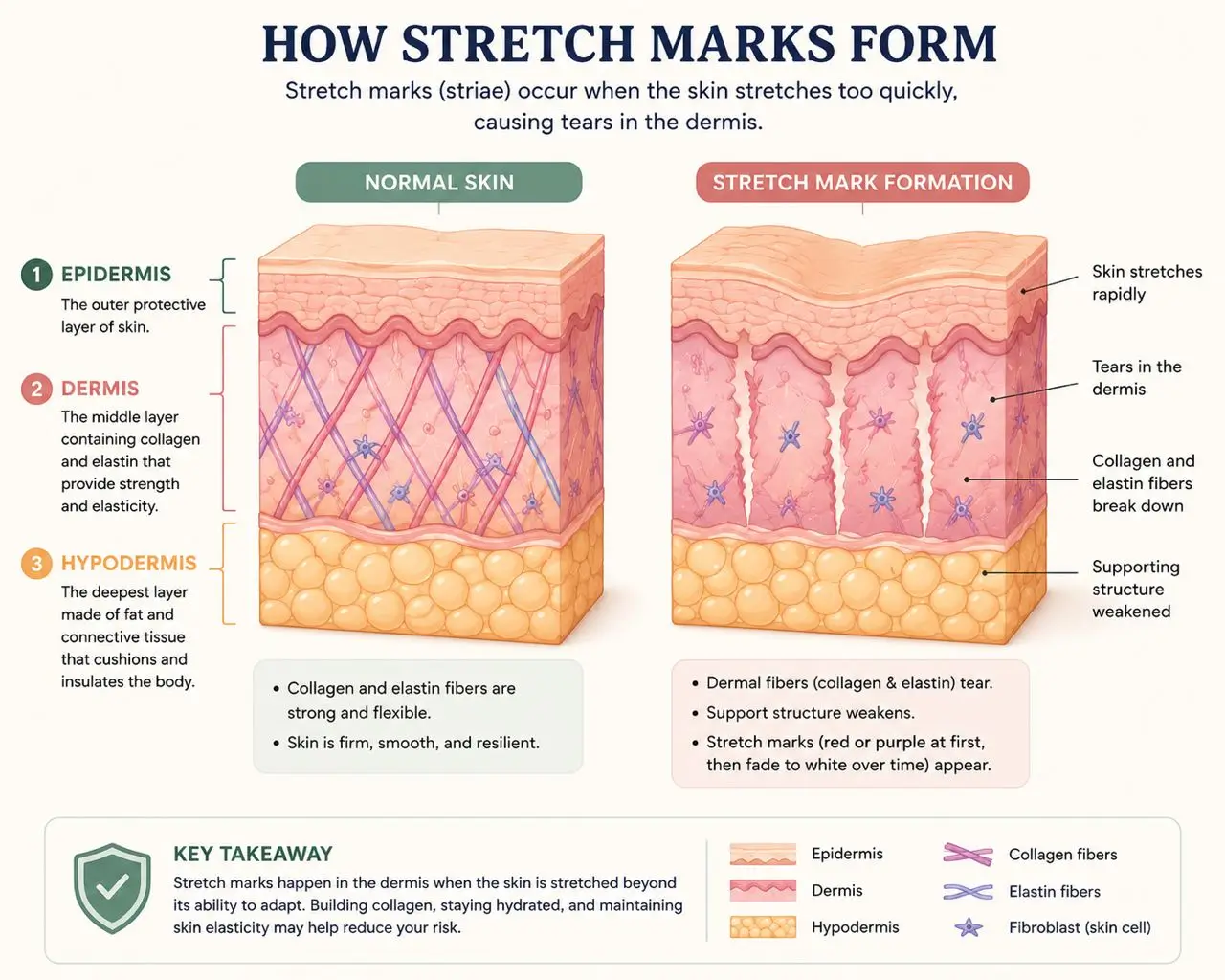
Your skin has three layers:
- Epidermis: the outer layer you can see and touch
- Dermis: the middle layer, made largely of collagen and elastin fibres
- Hypodermis: the deepest layer, containing fat and connective tissue
When the skin stretches faster than it can adapt, the collagen and elastin fibres in the dermis tear. The initial tearing and the body’s response to it create the reddish, raised marks you see at first. As the area heals and the torn fibres are replaced with scar-like tissue, the marks flatten and fade to white or silver. This is essentially why stretch marks behave similarly to scars. They are not on the surface of the skin; they are within the dermis itself. That is also why surface-level moisturisers alone cannot fully remove them, though they can play a supporting role in skin health.
According to the Mayo Clinic, hormonal changes, particularly elevated cortisol, can weaken the fibres in the skin, making stretch marks more likely during periods of stress, hormonal shifts, or rapid growth.
Types of Stretch Marks
Not all stretch marks look the same. Their appearance changes based on how old they are, where they are on the body, and your individual skin type and tone.
- Red and Pink Stretch Marks (Striae Rubrae)
These are the newest stretch marks. They appear as raised lines that may feel slightly itchy or tender. The colour comes from the blood vessels visible through the still-thin skin above the torn dermis. At this stage, the skin tissue is still actively responding to the stretching. Red stretch marks are the easiest to treat because the tissue is still relatively active and responsive to topical treatments, laser therapy, and other interventions.
- White or Silver Stretch Marks (Striae Albae)
As time passes, the blood vessels contract, the skin settles, and the marks flatten and lose their colour. White stretch marks have matured into a more scar-like state. The tissue is less active, which makes it harder, though not impossible, to treat.
- Purple Stretch Marks
Purple or dark pink stretch marks are common in teenagers and in people with darker skin tones. They behave similarly to red stretch marks and are also best treated early.
- Dark Stretch Marks
In people with deeper skin tones, stretch marks can appear brown, dark brown, or even darker than the surrounding skin. The contrast with the surrounding skin can make them more noticeable.
See our full guide on Red vs White Stretch Marks.
What Causes Stretch Marks?
The short answer is rapid stretching of the skin. Stretch marks are caused by a combination of physical stretching and hormonal factors that affect skin elasticity. When the skin is stretched quickly and the underlying dermis cannot keep up, it tears. According to the American Academy of Dermatology (AAD), several factors can increase susceptibility, including genetics, hormonal changes, and how quickly the stretching occurs.
The main triggers include:
- Pregnancy: the abdomen expands rapidly to accommodate a growing baby
- Puberty: rapid growth spurts stretch the skin on the hips, thighs, breasts, and shoulders
- Rapid weight gain: skin stretches quickly as body mass increases
- Muscle building: fast muscle growth, particularly in bodybuilders, can cause stretch marks on the arms, chest, and back
- Corticosteroid use: prolonged use of corticosteroid medications or creams can thin the skin and reduce its elasticity
- Certain medical conditions, such as Cushing’s syndrome, Marfan syndrome, and Ehlers-Danlos syndrome, can all increase the likelihood of stretch marks
Read our dedicated guide: What Causes Stretch Marks? for a full breakdown.
Stretch Marks During Pregnancy
Pregnancy is the single most common cause of stretch marks in women. As the uterus expands and the body prepares for childbirth, the skin on the abdomen, hips, thighs, and breasts stretches significantly. Most pregnancy-related stretch marks appear during the sixth and seventh months, though some women notice them earlier or later. Estimates suggest that 50 to 90 percent of pregnant women develop stretch marks at some point during pregnancy. The abdomen is the most common site, but many women also develop them on the breasts as they enlarge, and on the hips and thighs. Hormones during pregnancy also play a role. Relaxin and other hormones help loosen ligaments and connective tissue to prepare the body for birth, but they can also reduce the strength of skin fibres, making stretch marks more likely. The NHS notes that while stretch marks often fade significantly after pregnancy, they rarely disappear entirely without treatment. The good news is that regular moisturisation during pregnancy, while not proven to prevent stretch marks entirely, can help keep the skin supple and may reduce the severity of any marks that do develop.
See our full guide on Pregnancy Stretch Marks, including trimester-by-trimester advice.
Stretch Marks During Puberty
Puberty is another very common cause of stretch marks, and one that often goes undiscussed. During adolescence, the body grows rapidly. Boys often develop stretch marks on the back, shoulders, and outer thighs as they build muscle and height. Girls commonly see them on the hips, breasts, thighs, and buttocks. These marks are completely normal. They are not a sign of obesity or poor health; they are a sign of a body that is growing. Teenage stretch marks are often purple or red at first. They do tend to fade over time, particularly with good skincare habits during and after puberty. Encouraging teenagers to maintain hydrated, well-nourished skin may help minimise their appearance over time.
Stretch Marks From Weight Gain and Muscle Building
Rapid weight gain stretches the skin in a way very similar to pregnancy, simply because the volume beneath the skin increases quickly. For athletes and bodybuilders, rapid muscle growth, particularly in the biceps, chest, shoulders, and thighs, can cause stretch marks in the same way. This is sometimes called “gym stretch marks” and is especially common during periods of aggressive bulking. The marks tend to appear on the outer arms, pectorals, and inner thighs. A slow and gradual approach to both weight gain and muscle building gives the skin more time to adapt, though it cannot guarantee that no stretch marks will develop, particularly in those with a genetic predisposition.
Are Stretch Marks Harmful?
Stretch marks are not medically dangerous. They do not indicate any underlying disease on their own, and they cause no physical harm. They cannot become infected or lead to complications. They are a cosmetic concern, which does not mean they are trivial, particularly if they affect someone’s confidence or well-being, but they are not a health risk. That said, if stretch marks appear suddenly and without an obvious cause, you are not pregnant, not going through puberty, and have not gained weight rapidly, it may be worth speaking to a doctor. The Cleveland Clinic notes that sudden, unexplained stretch marks, particularly on the abdomen or back, can sometimes be associated with conditions like Cushing’s syndrome, which causes elevated cortisol levels.
Can Stretch Marks Be Removed?
This is one of the most-searched questions on this topic, and the honest answer is: not completely, in most cases. Stretch marks are a form of scarring within the dermis. Like most scars, they can be significantly improved and faded, but complete removal is difficult, especially for older, well-established white stretch marks. The earlier you treat stretch marks, the better the results tend to be. Red or purple stretch marks, which are newer and involve more active tissue, typically respond better to treatments than older white ones. However, treatments can meaningfully reduce their appearance. Many people find that with the right combination of approaches, stretch marks become far less noticeable, sometimes barely visible.
Read our in-depth guide: How to Remove Stretch Marks for a step-by-step breakdown.
Stretch Mark Treatment Options
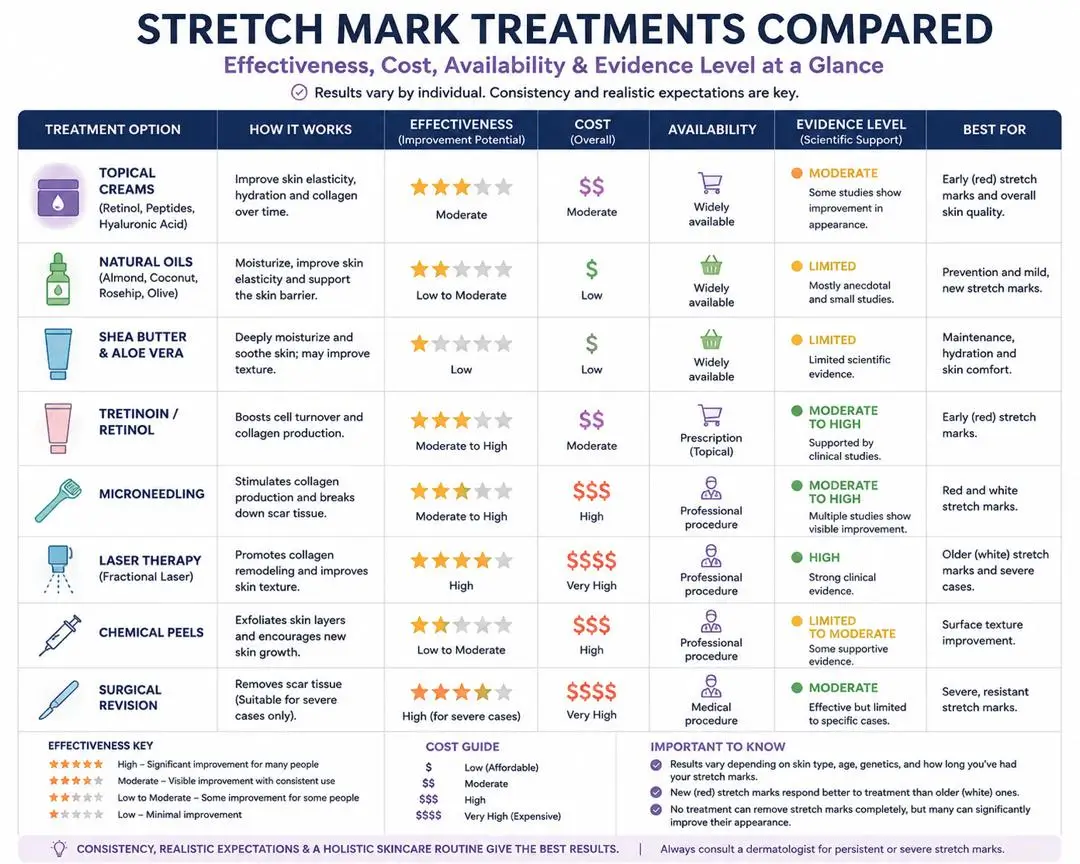
There is no single treatment that works perfectly for everyone. The most effective approach often combines several methods. Below is a breakdown of the main options, with an honest assessment of the evidence behind each.
- Stretch Mark Creams
Topical creams are the most widely used approach to managing stretch marks. They work primarily by keeping the skin moisturised, which supports its flexibility and can improve the texture and appearance of marks over time.
What to look for in a stretch mark cream:
- Hyaluronic acid: a powerful humectant that draws moisture into the skin
- Centella Asiatica (Cica): shown in some studies to support collagen synthesis
- Vitamin E: an antioxidant that supports skin repair
- Cocoa butter and shea butter: deeply moisturising ingredients that improve skin texture
- Peptides: support collagen production in the dermis
The Body Edition Anti-Stretch Mark Body Concentrate is formulated to help moisturise and improve skin elasticity. Used regularly as part of a daily skincare routine, it can help support skin suppleness, which may be especially useful during pregnancy or periods of rapid body change. It is not a miracle cure, but consistent use combined with other healthy skin habits is a reasonable and accessible approach for many people.
See our guide on Best Cream for Stretch Marks for a full evidence-based comparison.
- Stretch Mark Oils
Body oils have long been used to help keep skin moisturised and supple. While no oil has been proven to remove stretch marks outright, several have evidence supporting their role in skin health and hydration.
Almond Oil: Sweet almond oil is rich in vitamin E and fatty acids. Some small studies suggest it may help reduce the development of stretch marks when used from early pregnancy, though larger clinical trials are needed. It absorbs well and is generally suitable for most skin types.
The Love Nature Nourishing Body Face & Hair Oil With Organic Avocado Oil is a gentle, nourishing option suitable for use during and after pregnancy. Massaged regularly into the abdomen, thighs, and hips, it helps keep the skin hydrated and soft. It should be considered a supportive measure rather than a guaranteed preventative.
See our detailed guide on Almond Oil for Stretch Marks.
Coconut Oil: A popular natural moisturiser. It contains lauric acid and has emollient properties that can soften the skin. A 2010 study published in Dermatitis found that virgin coconut oil helped improve skin hydration when applied regularly. However, evidence specific to stretch marks remains limited. It is a reasonable addition to a stretch mark management routine, particularly for those who prefer natural ingredients.
See our guide on Coconut Oil for Stretch Marks for the full evidence summary. See our guide on Best Oils for Stretch Marks for a full comparison.
- Retinol and Tretinoin
Tretinoin, a prescription-strength retinoid, has the most evidence behind it. Studies have shown it can help stimulate collagen production in the dermis and improve the texture and colour of red stretch marks. It is less effective on older, white stretch marks.
Retinol: Over-the-counter retinol works similarly but more slowly, as it must first be converted to its active form in the skin.
- Tretinoin is not safe during pregnancy or breastfeeding. Always consult your doctor before using any retinoid.
- Retinoids can cause initial skin irritation, dryness, and increased sun sensitivity.
- Results take time, typically 3 to 6 months of consistent use.
The AAD considers retinoids one of the most effective topical options for stretch marks with active collagen-producing capacity.
- Laser Therapy
Laser treatments are among the more effective clinical options for stretch marks, though they come with a higher cost and are not suitable for everyone.
Different types of lasers are used for different types of stretch marks:
- Pulsed dye lasers: effective for red stretch marks, targeting the blood vessels that give them their colour
- Fractional CO₂ lasers: effective for both red and white stretch marks; work by stimulating collagen remodelling
- Excimer lasers can help with pigmentation issues in stretch marks on darker skin tones
Laser therapy typically requires multiple sessions and can cause temporary redness, swelling, or skin sensitivity. It is best performed by a qualified dermatologist or aesthetic practitioner. Results are generally good for red stretch marks and more moderate for white ones. The Cleveland Clinic recommends laser as one of the more reliable clinical options.
- Microneedling
Microneedling, also called collagen induction therapy, involves using tiny needles to create controlled micro-injuries in the skin. This stimulates the skin’s natural healing response, encouraging collagen and elastin production. Research has shown that microneedling can improve both the texture and colour of stretch marks, and it tends to work reasonably well for both red and white stretch marks, a significant advantage over some laser approaches. It is generally considered safe for a wider range of skin tones than some laser treatments, which can cause pigmentation changes in darker skin. Multiple sessions are usually required, and results build gradually over weeks and months.
- Natural Remedies
Many people are drawn to natural remedies for stretch marks, often because they are accessible and gentle. Here is a balanced look at the evidence for the most popular options.
Aloe Vera: Aloe vera has well-established soothing and moisturising properties. It contains compounds that may support wound healing and collagen synthesis. While evidence specifically on stretch marks is limited, its role as a skin-conditioning agent is reasonable. Using pure aloe vera gel on stretch marks is unlikely to cause harm and may help hydrate the skin. The evidence for significant visible improvement, however, is limited.
Almond Oil: As mentioned above, almond oil has some early evidence supporting its use, particularly in preventing new stretch marks from worsening during pregnancy. It is a good moisturiser with a gentle profile.
Avocado Oil: Avocado oil is rich in healthy fatty acids, vitamin E, and antioxidants that help nourish and moisturise the skin. While there is limited scientific evidence that it can reduce the appearance of stretch marks, keeping the skin well hydrated may improve its softness and overall condition. Used consistently as part of a daily skincare routine, avocado oil can help support healthy-looking skin, although it should not be considered a treatment for removing stretch marks.
Coconut Oil: A popular emollient. It may help maintain skin hydration and softness, but evidence specifically for stretch marks is limited. It is comedogenic, pore-blocking for some people, so it is not ideal for every skin type.
Shea Butter: Shea butter is a rich emollient widely used in skincare. It contains triterpene alcohols and fatty acids that support skin barrier function. Like other moisturisers, it may help keep skin supple and may support the skin’s response to stretching, though evidence for removing existing stretch marks is limited.
How to Prevent Stretch Marks
See our full guide on Stretch Marks Prevention.
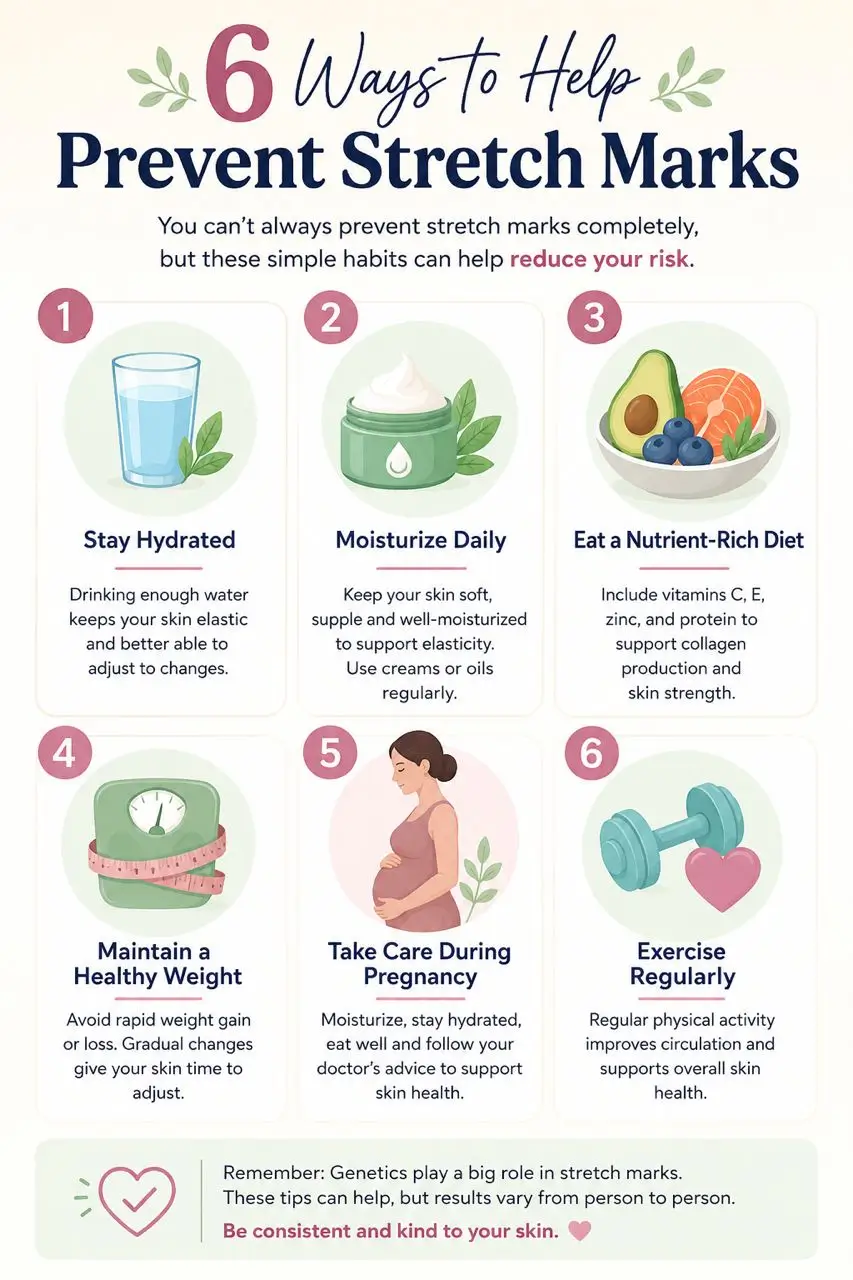
Complete prevention is not always possible, particularly if you have a genetic predisposition. But there are evidence-informed steps that may reduce your risk or limit the severity of any marks that develop.
1. Keep your skin well moisturised
Hydrated skin has more elasticity than dry skin. Apply a good moisturiser or body oil regularly, particularly to areas prone to stretch marks. This does not guarantee prevention, but it supports skin health during periods of change.
2. Maintain a steady rate of weight change
Gradual weight gain or loss gives the skin more time to adapt. Crash dieting or very rapid weight gain significantly increases the risk.
3. Stay hydrated
Drinking enough water supports overall skin health and elasticity. The skin is the body’s largest organ, and it needs adequate hydration to function well.
4. Eat a skin-supportive diet
Foods rich in zinc, such as nuts, seeds, and legumes; vitamin C, such as citrus fruits, peppers, and berries; vitamin E, such as nuts, avocado, and olive oil; and protein all support collagen production and skin health. A balanced diet is one of the most underrated aspects of skin resilience.
5. Start moisturising early during pregnancy
If you are pregnant, begin applying stretch mark creams or oils from the first trimester, well before the skin begins to stretch significantly. Consistency matters more than any single product.
6. Manage muscle-building pace
If you are focused on building muscle, a measured approach to bulking may reduce, though not eliminate, the risk of stretch marks.
Common Myths About Stretch Marks
Myth: Only overweight people get stretch marks. Fact: Stretch marks are extremely common in slim, fit, and athletic people, particularly teenagers, pregnant women, and bodybuilders. Body size is not the key factor; the speed of change is.
Myth: Stretch marks only affect women. Fact: Men get stretch marks, too. They are particularly common in male athletes and teenagers. Research suggests that while women are more frequently affected, men are far from immune.
Myth: Expensive creams can remove stretch marks entirely. Fact: No over-the-counter cream has been clinically proven to remove established stretch marks. Good creams can meaningfully improve their appearance, but complete removal typically requires clinical procedures, and even then, it is not guaranteed.
Myth: Stretch marks are caused by dry skin. Fact: While keeping skin moisturised is helpful, stretch marks are caused by rapid stretching of the skin. Dry skin may make them more likely, but it is not the primary cause.
Myth: Stretch marks always fade completely on their own. Fact: Stretch marks do typically fade over time, but they rarely disappear entirely without treatment. White stretch marks, in particular, tend to be permanent without clinical intervention.
Myth: Tanning makes stretch marks disappear. Fact: Tanning, whether from sunlight or UV beds, does not treat stretch marks and may actually make them more visible by tanning the surrounding skin without colouring the scar tissue. It also increases the risk of skin damage and skin cancer.
When to See a Dermatologist
Most stretch marks are harmless and do not require medical attention. But there are situations where professional advice is worth seeking.
See a dermatologist or your GP if:
- Stretch marks appear suddenly with no obvious cause, not related to pregnancy, puberty, or weight change
- They are accompanied by other skin changes, unexplained weight gain around the abdomen, or generalised fatigue
- You want to explore clinical treatment options such as laser therapy, microneedling, or prescription retinoids
- Stretch marks are causing significant emotional distress; a dermatologist can offer realistic guidance on what is achievable
The NHS advises that if your stretch marks are itchy, spreading rapidly, or appearing in unusual locations without an obvious cause, it is sensible to check with a healthcare provider to rule out any underlying conditions.
Conclusion
Stretch marks are one of the most common skin changes humans experience. They form when the skin stretches faster than it can adapt, causing the collagen and elastin fibres in the dermis to tear. They are a form of internal scarring, which is why they can be stubborn to treat. They can affect anyone, including pregnant women, teenagers, athletes, and people who have gained or lost weight quickly. Genetics plays a significant role, and some people will develop them regardless of what they do. The good news is that stretch marks are not harmful, and they do generally fade over time. Red and purple stretch marks respond particularly well to early treatment. White stretch marks are harder to treat but can still be improved with clinical options like laser therapy and microneedling. Products, creams, oils, and moisturisers play a supportive role. They cannot remove established marks, but they can help keep skin supple, may reduce the severity of new marks, and are a sensible part of any skin health routine. Look for products with evidence-backed ingredients, and use them consistently.