


How to Remove Stretch Marks: Medical Treatments vs Home Fixes
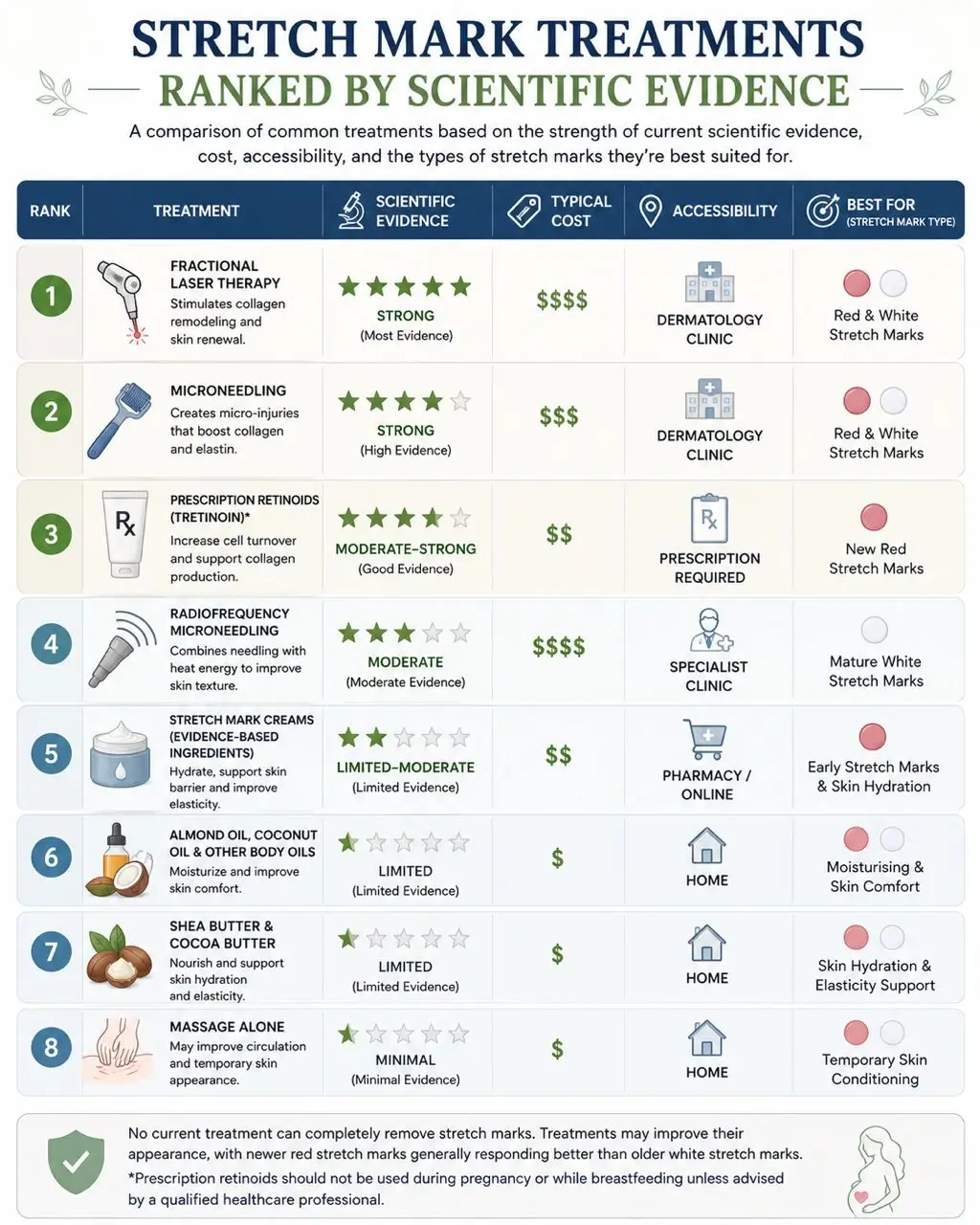
Stretch marks cannot usually be removed completely, but their appearance can often be significantly improved. Newer red or purple stretch marks respond best to treatment, including topical retinoids, laser therapy, and microneedling. Older white or silver stretch marks are more stubborn but can still be improved. No single treatment works perfectly for everyone.
Can Stretch Marks Really Be Removed?
Let us address this question directly, because a lot of marketing language around stretch marks is deliberately vague. The clinical answer is: not completely, in most cases. Stretch marks are a form of dermal scarring. They form when the collagen and elastin fibres in the dermis, the middle layer of skin, tear due to rapid stretching. As the skin heals, the torn area is replaced with fibrous tissue that lacks the pigmentation, structure, and texture of normal surrounding skin. Because they are structural changes within the dermis rather than surface marks, no product can fully reach and reverse them. Even clinical procedures do not restore the skin to exactly its pre-stretch-mark state.
However, and this is important, a significant improvement is absolutely achievable. Many people who pursue appropriate treatment, particularly when stretch marks are still relatively new, see results that make the marks barely noticeable. The skin’s texture improves, the colour fades, and the contrast with surrounding skin reduces substantially.
See our complete guide on Stretch Marks: Causes, Types, Prevention & Treatments for the full picture.
Why Stretch Marks Are Difficult to Remove Completely
When the dermis tears, the body responds with an inflammatory healing process, similar to how a wound heals elsewhere in the body. During healing, specialised cells called fibroblasts lay down new collagen to repair the damaged area. However, this repair collagen is structurally different from the original; it tends to be laid down in a more disorganised pattern, rather than the basket-weave arrangement of healthy skin.
The result is tissue that:
- Lacks the same density of melanocytes, pigment cells, explaining why stretch marks often appear lighter than surrounding skin
- Has a different collagen architecture, contributing to a changed texture
- May have reduced blood supply over time, which is why older marks become silvery or white
This is functionally similar to any other scar. And just like scars, stretch marks can be treated to improve their appearance, but reversing the internal architecture completely is beyond what current treatments can achieve. The American Academy of Dermatology is clear that while no treatment can eliminate stretch marks, several options can make them less noticeable.
Does Treatment Work Better on Red or White Stretch Marks?
Yes, the age and colour of stretch marks significantly affect how well they respond to treatment.
| Stage | Colour | Tissue State |
|---|---|---|
| Early (striae rubrae) | Red, pink, purple | Active, inflamed, blood vessels present |
| Transitional | Pink to silver | Blood vessels contracting, tissue settling |
| Mature (striae albae) | White, silver, grey | Scar-like, avascular, less active |
Red and purple stretch marks are newer. The tissue is still in an active phase; blood vessels are present; fibroblasts are still working, and the area is more metabolically responsive. This means treatments that stimulate collagen remodelling have more to work with. White stretch marks are older. The tissue has settled into a more scar-like state. It is less vascular and less metabolically active. Clinical treatments can still help; fractional laser and microneedling can produce meaningful improvement, but results require more sessions and more time. Begin treatment as early as possible. The moment when stretch marks are red or purple is your best opportunity to meaningfully reduce their long-term appearance.
See our comparison guide on Red Stretch Marks vs White Stretch Marks for a full breakdown of differences and treatment approaches.

Medical Treatments with Evidence
- Retinoids (Retinol and Tretinoin)
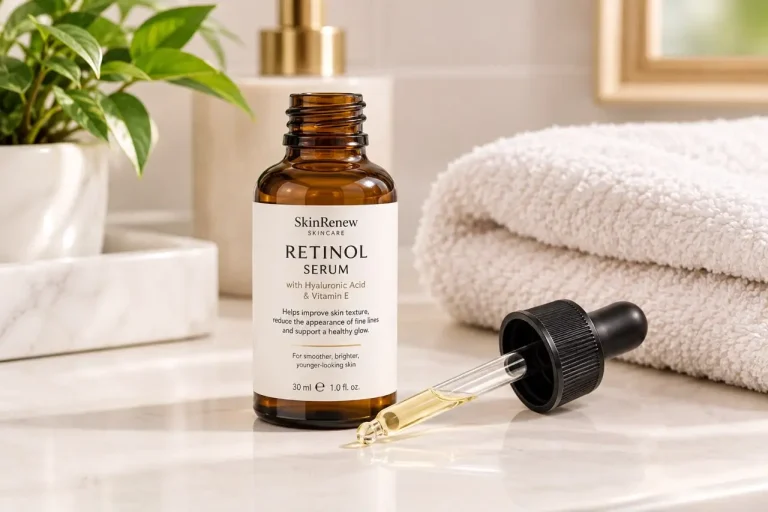
Retinoids are vitamin A derivatives, and they are among the most well-evidenced topical treatments in all of dermatology, not just for stretch marks, but for a wide range of skin conditions. Retinoids increase the rate of cell turnover in the skin and stimulate fibroblast activity and collagen production in the dermis. In the context of stretch marks, this means they can help remodel the disordered collagen laid down during healing, improving the texture and appearance of the mark over time.
Tretinoin (prescription-only) has the strongest evidence. A landmark study published in the British Journal of Dermatology found that tretinoin applied over several months significantly improved the appearance of early red stretch marks compared to a placebo. Other studies have confirmed that it can reduce the length and width of stretch marks and improve pigmentation.
Retinol works through the same mechanism but must first be converted to retinoic acid in the skin, making it slower-acting and less potent than prescription tretinoin. It is still a worthwhile ingredient in a stretch mark cream, particularly for those who cannot access prescription treatment.
Important limitations:
- Tretinoin is not safe during pregnancy or breastfeeding. Anyone pregnant or breastfeeding should avoid all retinoids and consult their doctor about alternatives.
- Retinoids can cause initial skin irritation, redness, peeling, and increased sensitivity to sunlight. Starting with a lower concentration and building up gradually is advisable.
- Results take 3 to 6 months of consistent use. This is not a quick fix.
- Retinoids work best on red and early stretch marks. Their effect on mature white marks is more limited.
The Mayo Clinic includes tretinoin among the topical treatments most likely to produce visible improvement, particularly when used early.
- Microneedling
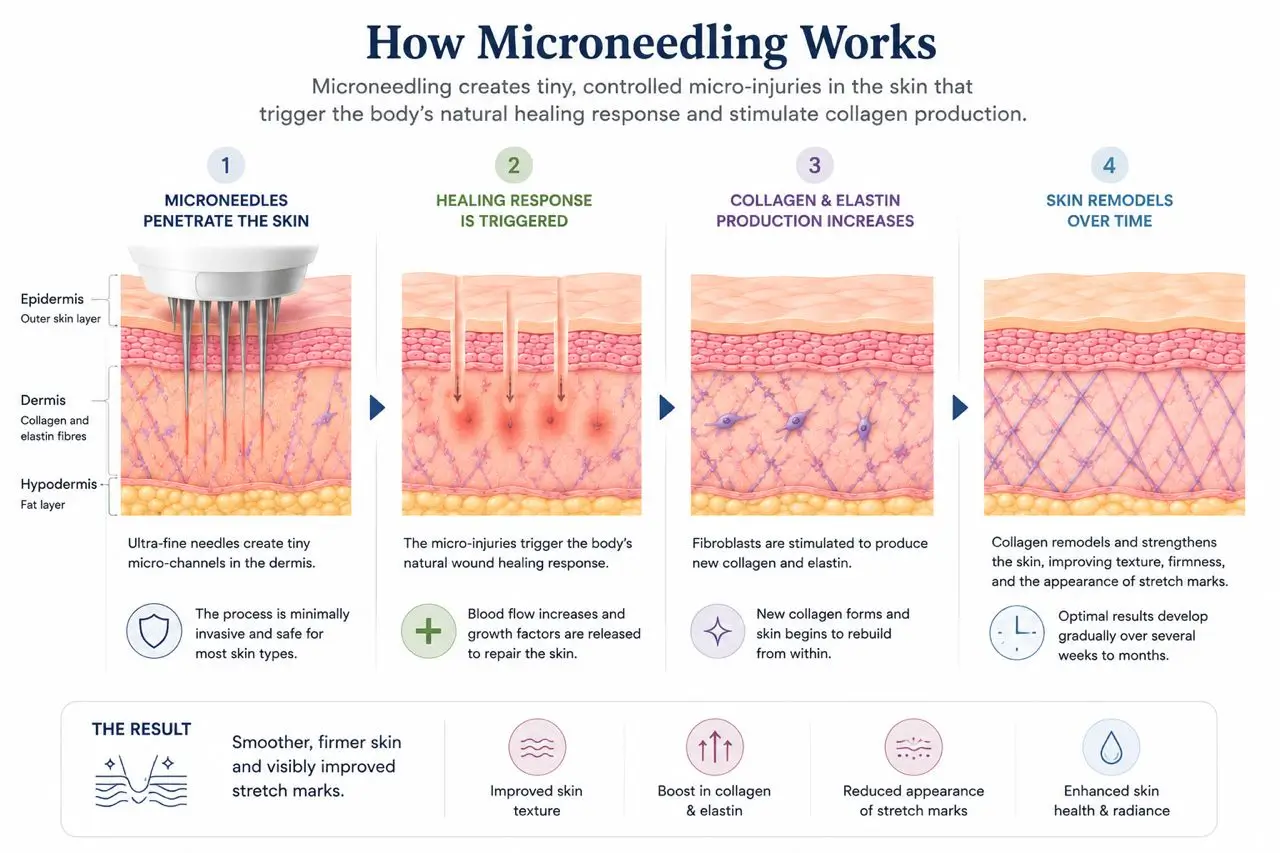
Microneedling, also called collagen induction therapy, is one of the most promising and versatile clinical treatments for stretch marks, with a growing body of research behind it. A device fitted with very fine needles creates thousands of tiny controlled punctures in the skin. This triggers the skin’s natural wound-healing response, stimulating fibroblasts to produce new collagen and elastin in the treated area. Over a series of sessions, this remodelling can improve the texture, depth, and colour of stretch marks.
Multiple studies have shown that microneedling produces measurable improvement in both red and white stretch marks. Importantly, it tends to work reasonably well for both types, giving it an advantage over some laser treatments, which perform significantly better on red marks than white ones. A research review referenced in the NIH database found that microneedling with topical platelet-rich plasma (PRP) combined may produce better results than microneedling alone, though standalone microneedling still shows meaningful benefit.
Practical considerations:
- Multiple sessions are typically needed, often between 3 and 6, spaced 4 to 6 weeks apart
- There is temporary redness and skin sensitivity after each session
- It is generally considered safe across a wider range of skin tones than some laser treatments
- Cost varies by clinic and location; it is more affordable than most laser options
- Not appropriate during pregnancy
- Laser Therapy
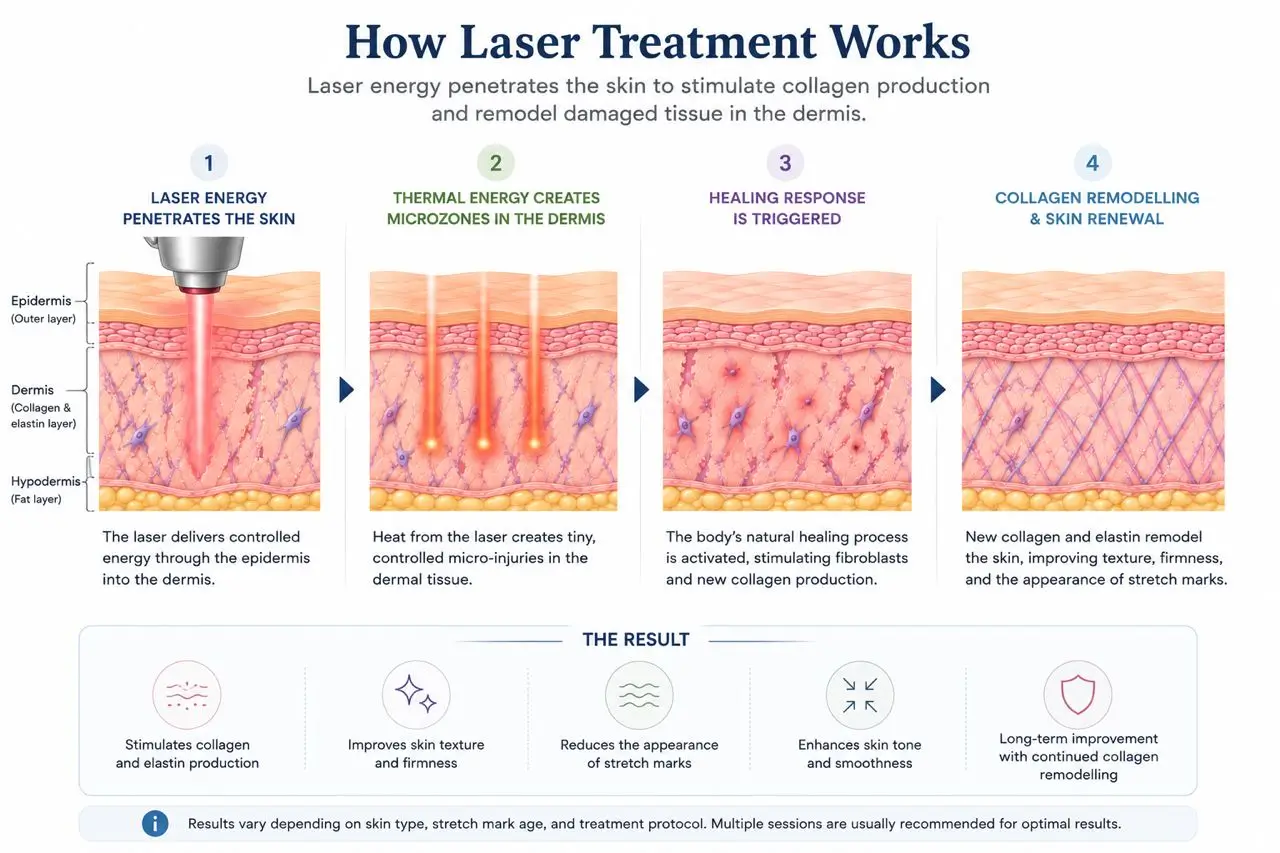
Laser treatment is one of the most effective clinical options for stretch marks, particularly when performed by a qualified dermatologist or aesthetic practitioner.
Different types of laser target different aspects of stretch marks:
- Pulsed Dye Laser (PDL) targets the blood vessels within red and purple stretch marks, reducing their colour and stimulating some collagen remodelling. Effective primarily for early, red stretch marks. Less effective on white marks because there are no active blood vessels to target.
- Fractional CO₂ Laser Creates microscopic columns of controlled damage within the dermis, triggering significant collagen remodelling. Effective for both red and white stretch marks, though multiple sessions are typically needed. This is currently considered one of the more powerful tools available for mature white stretch marks.
- Fractional Non-Ablative Lasers (e.g., Fraxel) Similar in principle to fractional CO₂ but with less downtime and a somewhat gentler profile. Useful for those who want improvement without the extended recovery time of ablative treatments.
- Excimer Laser Can help restore some pigmentation to white stretch marks, particularly in people with darker skin tones where the contrast between stretch marks and surrounding skin is more pronounced.
- Is laser treatment worth it? For many people, yes, particularly if they have bothersome stretch marks and have not achieved sufficient results from topical treatments. Multiple sessions are usually required, and results are incremental. It is not a one-session cure, but it is one of the most clinically validated options available.
The Cleveland Clinic notes that laser therapy is among the most effective professional treatments for stretch marks, with fractional lasers offering the best outcomes for various stages. Laser therapy carries a risk of pigmentation changes, particularly in darker skin tones. Always consult a qualified practitioner who has experience with your skin type.
- Radiofrequency
Radiofrequency (RF) treatment uses energy waves to heat the deeper layers of the skin, stimulating collagen and elastin production. It is used for skin tightening generally, and there is emerging evidence for its effectiveness on stretch marks, sometimes in combination with microneedling (RF microneedling). Evidence is less extensive than for lasers and microneedling, but early studies are encouraging. It tends to be well-tolerated and works across skin tones.
- Chemical Peels
Chemical peels use acids, such as glycolic acid, lactic acid, or trichloroacetic acid (TCA), to exfoliate the outer layers of skin and stimulate collagen production in the dermis beneath. Evidence for chemical peels as a standalone stretch mark treatment is more limited than for lasers or microneedling. However, superficial peels may support overall skin texture, and TCA cross applied directly to stretch marks has some evidence for improving white stretch marks in particular.
Home Remedies: What Helps and What Doesn’t
Home remedies are appealing for obvious reasons: they are accessible, affordable, and generally low-risk. The honest assessment, however, is that most do not have strong clinical evidence for removing stretch marks. What many can do is help maintain skin hydration and support overall skin health, which has indirect benefits.
Here is an evidence-informed breakdown of the most popular options:
| Home Remedy | Scientific Evidence for Removing Stretch Marks | Moisturises Skin? |
|---|---|---|
| Aloe vera | Limited | Yes |
| Shea butter | Limited | Yes, well |
| Coconut oil | Limited | Yes |
| Almond oil | Some early evidence for prevention | Yes |
| Cocoa butter | Very limited | Yes |
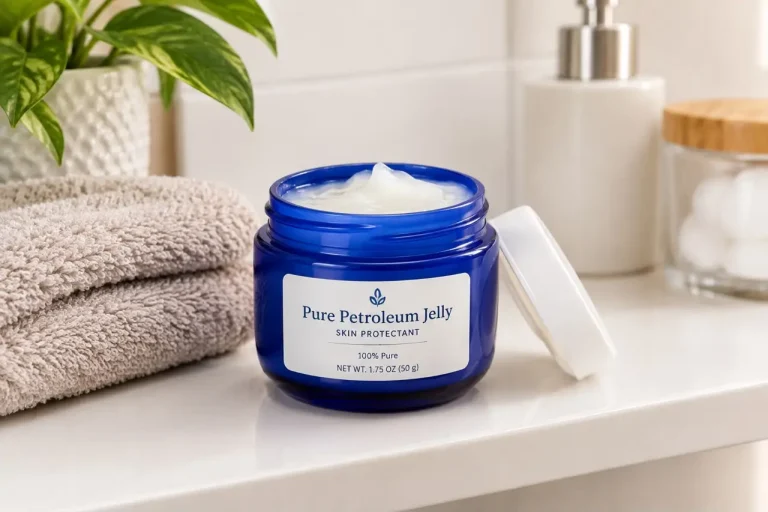
| Vaseline/petroleum jelly | None | Yes (occlusive) |
| Sugar scrubs | None | No |
| Lemon juice | None | No |
| Avocado | Limited | Yes |
- Aloe Vera
Aloe vera has established wound-healing and anti-inflammatory properties. The gel contains polysaccharides that may support skin repair, and it is widely used in dermatology as a soothing agent. However, the evidence that aloe vera can meaningfully improve existing stretch marks is limited. It is safe, soothing, and unlikely to cause harm, and it may create a better skin environment for healing, but it should not be expected to remove stretch marks on its own.
- Shea Butter
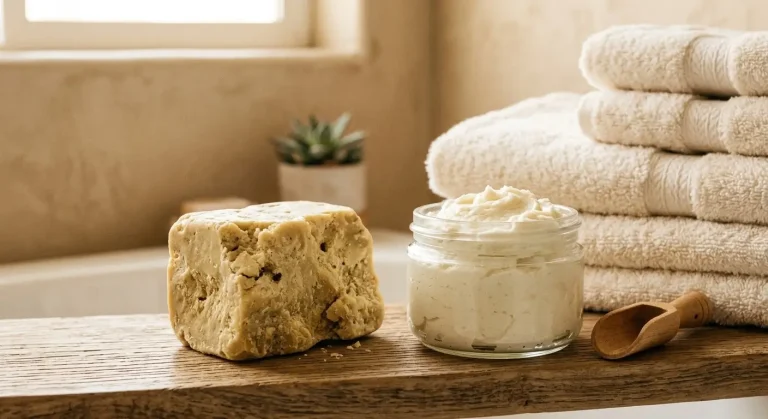
Shea butter is an excellent emollient. It is rich in fatty acids and contains compounds that support the skin barrier. Regular use keeps skin soft and well-moisturised. The evidence that it actively reduces stretch marks is limited, but as a moisturiser that supports skin suppleness, it is a reasonable and accessible option.
- Avocado oil
Avocado oil is a nutrient-rich plant oil known for its high content of healthy fatty acids, vitamin E, and antioxidants. It is widely used in skincare to help moisturise, soften, and nourish dry skin. Although it has not been proven to remove stretch marks, regular use as part of a daily skincare routine may help maintain skin hydration and support overall skin health, making it a useful addition to a balanced stretch mark care routine.
See our guide on Almond Oil for Stretch Marks for the full evidence breakdown.
- Coconut Oil
Coconut oil is a good emollient; it can help maintain skin softness and hydration, and it may support general skin health. But it does not penetrate the dermis to address the structural changes that stretch marks represent. It can be a useful moisturiser within a broader routine, but its role is supportive rather than curative. Coconut oil is comedogenic for some people, meaning it can block pores, so it is not suitable for use on the face, and some individuals may experience congestion when using it on the body, too.
See our guide on Coconut Oil for Stretch Marks for a full evidence review.
- Almond Oil
Sweet almond oil has some of the most interesting early evidence among natural oils in this context. A small randomised controlled trial found that women who massaged sweet almond oil onto their abdomen during pregnancy had a significantly lower rate of developing new stretch marks compared to those who received massage alone or no treatment. The study was small, and it is difficult to know whether the benefit came from the oil itself, the massage, or a combination of both. Massage stimulates local blood flow and may support skin health independently. Still, almond oil is well-tolerated, rich in vitamin E and fatty acids, and a reasonable choice for a daily moisturising routine, particularly during pregnancy.
See our guide on Almond Oil for Stretch Marks for the full evidence breakdown.
- Cocoa Butter
Cocoa butter is one of the most historically popular stretch mark remedies, particularly among pregnant women. However, the clinical evidence does not strongly support its use for stretch mark removal or prevention. A study published in the American Journal of Obstetrics and Gynecology found no significant difference in stretch mark development between women who used cocoa butter cream and those who used a placebo. It remains an excellent moisturiser and is safe to use during pregnancy, but expectations should be modest.
Stretch Mark Creams: Do They Work?
No cream can remove established stretch marks. That includes premium products, budget options, and everything in between. The dermis, where stretch marks live, is beneath the reach of anything you can apply to the surface of the skin.
What good stretch mark creams can do:
- Keep the skin well-moisturised, which supports its natural repair processes
- Improve the texture and softness of skin in and around stretch marks
- Deliver evidence-backed ingredients like retinol, hyaluronic acid, or centella asiatica to the upper layers of skin
- Reduce the itch and tightness that sometimes accompany newer stretch marks
- Used consistently during periods of rapid skin change (pregnancy, growth), they may help limit how severe new stretch marks become
What to look for in a stretch mark cream:
- Retinol stimulates collagen production; avoid during pregnancy
- Hyaluronic acid draws moisture into the skin, improves hydration, and plumpness
- Centella Asiatica (Cica) has some evidence supporting collagen synthesis
- Peptides support dermal collagen production
- Vitamin E antioxidant that supports skin repair
- Niacinamide supports the skin barrier and may help with skin tone
The Body Edition Anti-Stretch Mark Body Concentrate is formulated to support skin hydration and elasticity. Used as part of a daily moisturising routine, particularly during pregnancy or periods of body change, it can help keep skin supple. As with all topical creams, realistic expectations are important: it is a supportive tool, not a standalone cure. Consistent daily use over time is what makes the difference.
See our product page: Body Edition Anti-Stretch Mark Body Concentrate → See our guide on Best Cream for Stretch Marks for a comparison of top options.
Oils for Stretch Marks
Body oils can play a useful supporting role in stretch mark management, particularly as part of a daily massage routine. Massage itself stimulates blood flow, which may support tissue health.
Most effective options based on evidence:
- Sweet almond oil, with the best early evidence for use during pregnancy, is rich in vitamin E
- Rosehip oil contains natural retinol precursors and fatty acids; some evidence for scar improvement
- Argan oil, rich in tocopherols and fatty acids, supports skin elasticity
- Jojoba oil closely mimics skin’s sebum; well-tolerated and good for barrier support
The Love Nature Nourishing Body Face & Hair Oil With Organic Avocado Oil is a nourishing option for daily body care. Rich in vitamin E and with a lightweight texture that absorbs well, it is particularly suitable as a pregnancy-safe daily oil for moisturising the abdomen, hips, and thighs. Like all oils used for stretch marks, it is best understood as a skin-conditioning tool; it cannot remove existing marks but supports skin health as part of a broader routine.
See our guide on Best Oil for Stretch Marks for a full comparison.
The Love Nature Nourishing Hair Oil Coconut Oil is formulated specifically for hair care, conditioning, and nourishing the hair shaft and scalp. It is not designed or intended as a skin treatment for stretch marks and should not be used as a substitute for body-appropriate oils.
Habits That Support Healthier Skin
The foundation of any effective stretch mark management plan is consistent, healthy skin care. These habits do not replace clinical treatment, but they create the best possible environment for skin repair and maintenance.
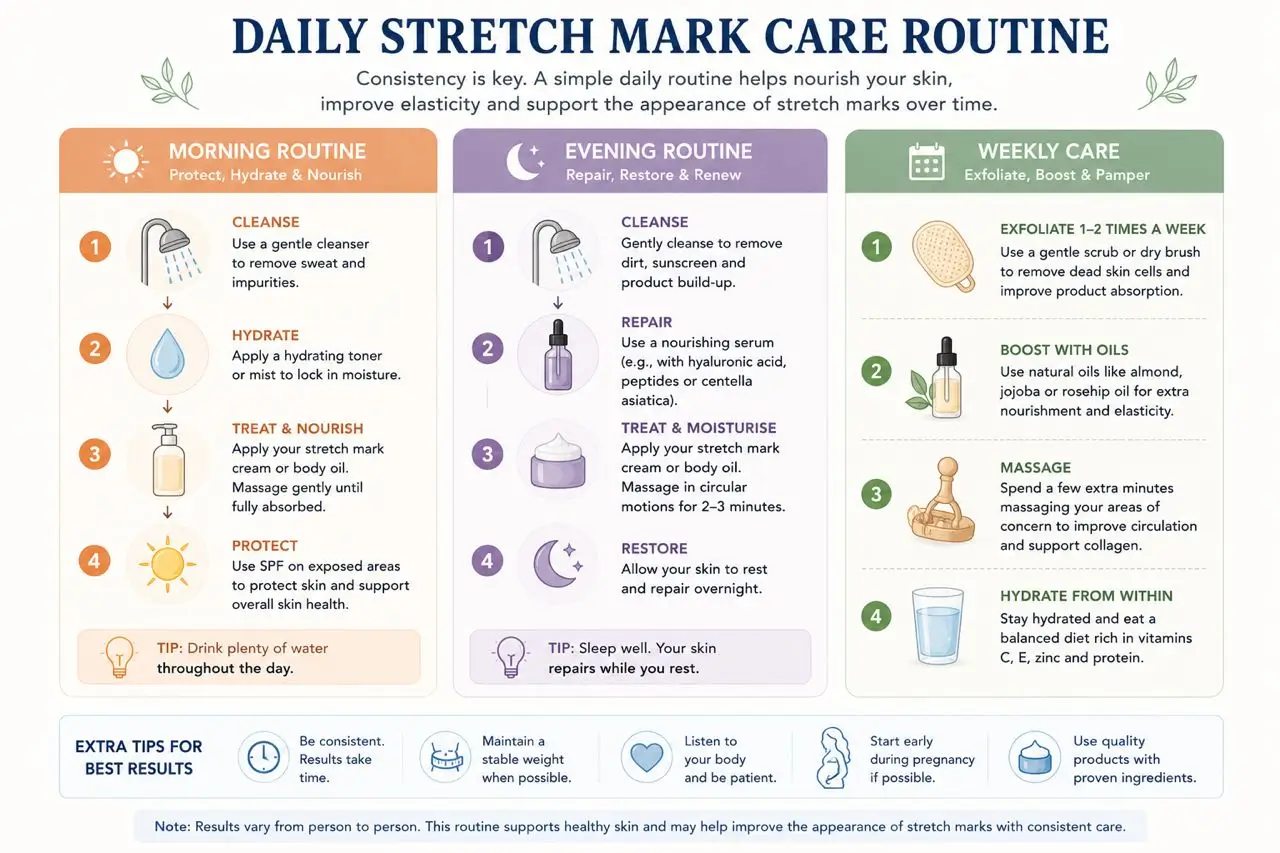
Morning routine:
- Cleanse gently, avoid harsh soaps that strip skin of natural oils
- Apply a body moisturiser or stretch mark cream to affected areas while skin is slightly damp. This seals in moisture most effectively
- Apply SPF to any stretch marks that are exposed to the sun. UV exposure can worsen pigmentation contrast
Evening routine:
- If using retinol, apply it in the evening, as retinol increases photosensitivity
- Apply a nourishing body oil or butter to stretched areas
- Gentle massage: spend 1–2 minutes massaging the oil or cream into each area, using circular motions
Weekly care:
- Gentle body exfoliation, sugar scrub, or soft body brush, to support cell turnover
- Extra hydration if skin feels tight or dry
Supporting habits:
- Stay hydrated, adequate water intake supports skin elasticity from within
- Eat for skin health: vitamin C, zinc, protein, and omega-3 fatty acids all support collagen and elastin maintenance
- Avoid smoking smoking reduces collagen production and skin healing capacity
- Protect from the sun. UV exposure darkens the surrounding skin without tanning the stretch mark tissue, making the marks more visible
Treatments to Avoid
Not all approaches to stretch mark removal are safe or effective. Here are some to steer clear of:
- Tanning (sun or UV beds) Tanning the surrounding skin does not tan the scar tissue within stretch marks; it makes the contrast worse, not better. UV exposure also accelerates skin ageing and carries significant health risks.
- Harsh abrasives or chemical DIY treatments, applying highly concentrated acids, like undiluted apple cider vinegar, or abrasive scrubs at home do not penetrate the dermis and risk surface skin irritation or damage.
- Caffeine wraps and “detox” wraps. These are common in spas and are marketed as skin-tightening treatments. There is no credible evidence that caffeine applied topically significantly improves stretch marks. Any temporary tightening effect is superficial and short-lived.
- Extreme dietary supplements marketed as “stretch mark cures.” No oral supplement has been clinically proven to remove stretch marks. While good nutrition supports overall skin health, supplements claiming to eliminate stretch marks specifically are not evidence-based.
Realistic Expectations and Timelines
One of the most important things this guide can give you is an honest picture of what you can expect and when.
| Treatment | Expected Timeline for Visible Results | Sessions Required |
|---|---|---|
| Retinol cream (OTC) | 3–6 months of daily use | Continuous application |
| Tretinoin (prescription) | 2–4 months | Daily application, doctor-supervised |
| Microneedling | 3–6 months | 3–6 sessions, 4–6 weeks apart |
| Pulsed dye laser (red marks) | 2–4 months | 3–5 sessions |
| Fractional CO₂ laser | 3–6 months | 3–5 sessions, 4–8 weeks apart |
| Moisturisers/oils | Skin texture and comfort improve within weeks; the appearance of marks is minimal unless combined with other treatments | Daily, ongoing |
When to See a Dermatologist
Many people manage stretch marks entirely with over-the-counter products and lifestyle habits. But there are situations where professional guidance is valuable.
Consider seeing a dermatologist if:
- You want to explore prescription-strength treatments such as tretinoin
- You are interested in clinical procedures: laser, microneedling, RF
- Your stretch marks are causing significant emotional distress
- Your stretch marks appeared suddenly and without obvious cause
- You are unsure which treatment is most appropriate for your skin type and stretch mark stage
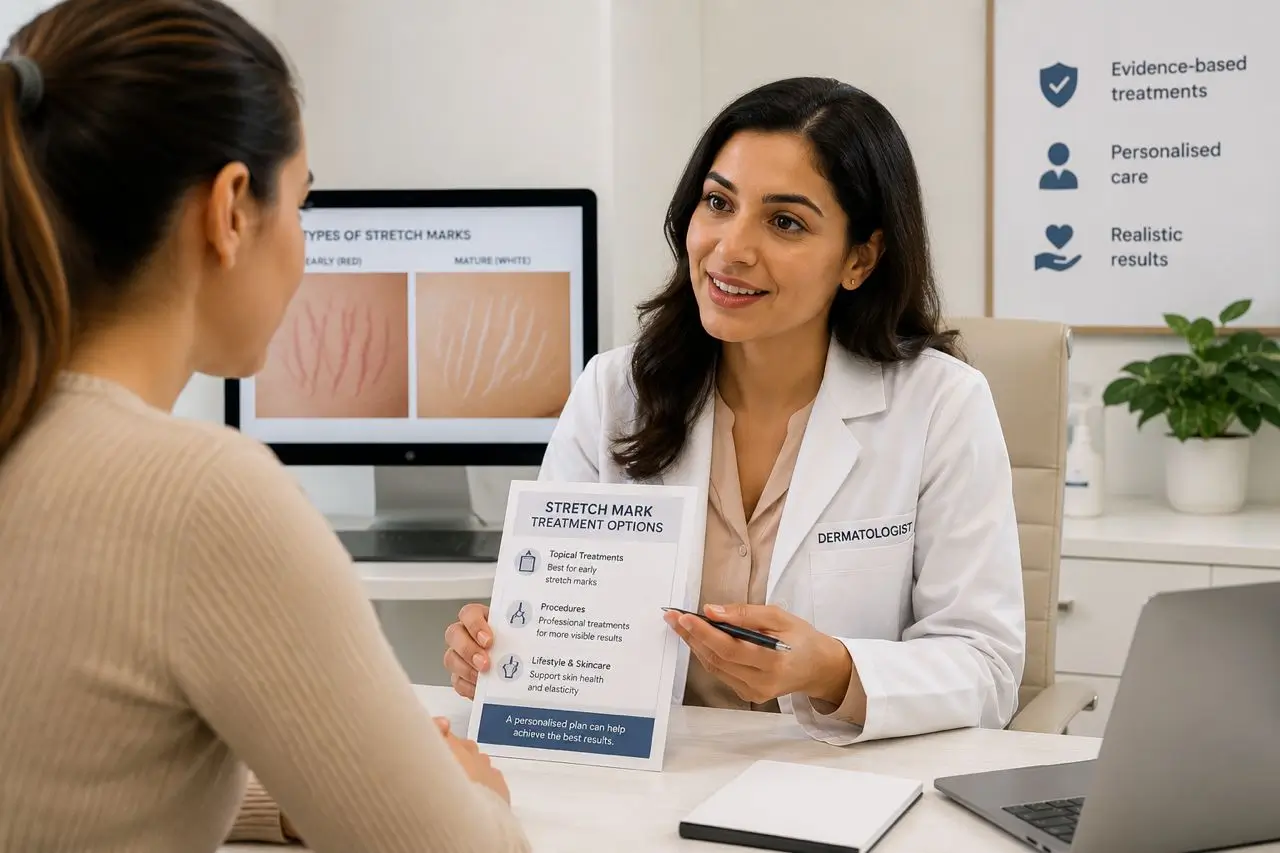
The NHS advises that a GP can refer you to a dermatologist if your stretch marks are severe or affecting your quality of life. A dermatologist can assess your specific marks, their type, age, location, and your skin tone, and recommend the most appropriate combination of treatments. This tailored approach tends to produce better results than a generic routine.
Key Takeaways
- Stretch marks cannot be completely removed, but their appearance can be meaningfully improved with the right approach.
- Red and purple stretch marks respond best to treatment; start early for the best results.
- White stretch marks can still be improved with clinical treatments like fractional laser and microneedling, but results take longer and are more modest.
- The most evidence-backed clinical treatments are: tretinoin (prescription), microneedling, and laser therapy.
- Over-the-counter creams containing retinol, hyaluronic acid, and Centella asiatica can support skin health and texture, but should not be expected to remove marks independently.
- Natural oils and home remedies can support skin hydration and may help prevent new marks from worsening, but have limited evidence for removing established ones.
- Consistency matters more than any single product. A daily skincare routine, maintained over months, produces more meaningful results than occasional treatments.
- Avoid misleading treatments, tanning, harsh DIY acids, and detox wraps that are not supported by evidence.
Conclusion
Learning how to remove stretch marks is really a process of learning how to improve them, because complete removal is rarely achievable outside of very specific clinical circumstances. The good news is that improvement is very much possible. Choosing the right approach for the type and age of your stretch marks, combining clinical treatments where appropriate with consistent daily skincare, and maintaining realistic expectations will put you in the best possible position.
The earliest stage of a stretch mark, when it is red or purple, is your most valuable treatment window. If you are at that stage now, the time to start is as soon as possible. If your marks are older and white, that does not mean treatment is pointless; it simply means the approach and timeline will be different.
Explore the guides below to continue building your knowledge and find the specific treatment information most relevant to your situation.
Stretch Marks: The Complete Guide → Stretch Mark Causes: Why They Develop and Who Is at Risk → Stretch Marks Treatment: All Your Options Explained → Best Cream for Stretch Marks → Best Oil for Stretch Marks → Natural Remedies for Stretch Marks → Pregnancy Stretch Marks